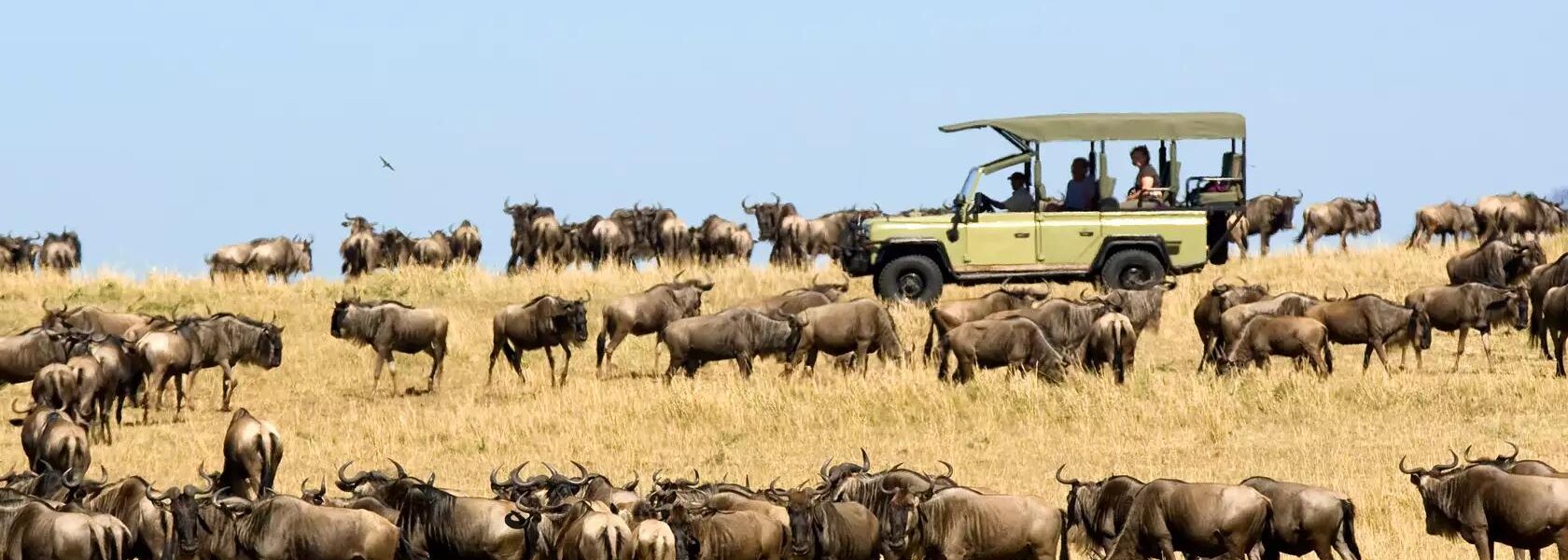
If you’re planning a safari between June and July, you’re looking at one of the most exciting transitions in the migration cycle. This period is often considered the best time to see wildebeest migration.
For those who want to know the best time to see wildebeest migration, planning your trip during this period will offer an incredible experience.
This is when the herds move from the central plains into the western and northern regions of the Serengeti National Park—bringing the first river crossings, intense predator activity, and classic safari scenes.
But timing matters.
Understanding the best time to see wildebeest migration is essential for maximizing wildlife encounters.
The question on many travelers’ minds is: what is the best time to see wildebeest migration?
Here’s exactly what to expect—and how to plan it right for the best time to see wildebeest migration.
To experience the best time to see wildebeest migration, consider the seasonal patterns.
When Is the Best Time to See Wildebeest Migration?
Where Is the Great Migration in June–July?
June: Western Corridor (Grumeti Region)
By early to mid-June:
- Herds move toward the Grumeti River
- First crossings begin (less crowded than Mara River)
- Predator activity increases significantly
This is one of the best-kept secrets in safari timing.
Late June to July: Moving North
As the dry season begins:
- Herds push north toward Northern Serengeti
- Movement continues toward the Masai Mara National Reserve border
This is when migration density builds.
Many travelers wonder when is the best time to see wildebeest migration and seek guidance in planning.
July: Early Mara River Crossings
From mid-July (varies yearly):
When planning, ensure you’re aware of the best time to see wildebeest migration for optimal viewing.
- First crossings may start in Northern Serengeti
- Larger crossings build into August–September
Important:
River crossings are not guaranteed on specific dates
June vs July: Which Is Better?
June (Smart Traveler Timing)
✔ Fewer tourists
✔ Better lodge availability
✔ Strong predator action
✔ Possible Grumeti crossings
Best for:
Travelers who want high-quality experience without peak crowds
July (Peak Season Begins)
✔ Higher chance of Mara River activity
✔ Classic migration scenes
✔ Ideal for first-time safari travelers
❗ Higher prices
❗ Early booking required
Best for:
Travelers focused on iconic migration moments
What Wildlife Will You See?
During June–July, the migration attracts:
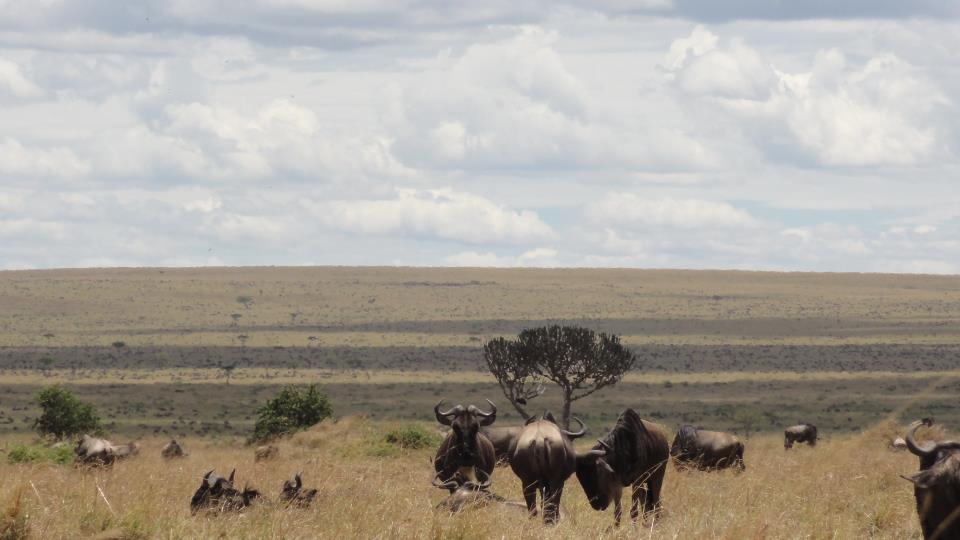
- Wildebeest and zebra herds
- Lions following migration paths
- Hyenas and scavengers
- Crocodiles at river crossings
- Cheetahs hunting on open plains
This is one of the highest wildlife concentration periods in Africa
Where Should You Stay?
June
- Western Serengeti (Grumeti)
- Central Serengeti (good all-round base)
July
- Northern Serengeti (Kogatende)
- Migration-focused mobile camps
Location matters more than luxury level
How Much Does It Cost?
For June–July safaris:
- Mid-range: $400–$700 per person/day
- Luxury: $700–$1,200+ per person/day
Factors affecting price:
- Lodge location (migration vs non-migration)
- Travel dates (early June cheaper than July)
- Flight vs road logistics
Planning Tips (Important)
- Book at least 6–12 months ahead for July
- Stay 3–4 nights minimum in Serengeti
- Don’t chase crossings—focus on full experience
- Combine with Ngorongoro Crater for guaranteed wildlife
Expert Insight
Many travelers believe:
“I must see a river crossing”
But in reality:
June–July often offers better overall safari experience
Less pressure, more consistent wildlife viewing
More relaxed and rewarding trip
📞 Plan Your Safari
Travelers looking for the best time to see wildebeest migration should consider their itinerary carefully.
Planning a migration safari isn’t just about dates—it’s about positioning, timing, and logistics.
Many agree that July offers one of the best times to see wildebeest migration.
Speak directly with a local safari expert and get a custom plan based on:
- Your travel dates
- Your budget
- Current migration movement
Contact us today and our safari specialists will design your African safari adventure, tailored entirely to your travel style, interests, and schedule.
Speak with our safari experts: +255 784 737 413
Chat with us instantly on WhatsApp: +255 784 737 413
Go where you want. Travel when you want. Experience Africa your way
Overall, June is also a wonderful time, making it the best time to see wildebeest migration.
When looking into costs, remember that the best time to see wildebeest migration can affect pricing.
Our experts can help you determine the best time to see wildebeest migration based on your preferences.
For tailored advice on the best time to see wildebeest migration, reach out to us.
Frequently Asked Questions About the Great Migration in June and July
Where is the Great Migration in June?
In June, the Great Migration is usually moving through the Western Corridor of the Serengeti, especially around the Grumeti River. This is a strong time for large herds, predator activity, and possible Grumeti River crossings.
Where is the Great Migration in July?
In July, the herds usually move north toward Northern Serengeti and the Mara River area. Early Mara River crossings may begin in July, although timing changes each year depending on rainfall and grazing conditions.
Is June a good time to see the Great Migration?
Yes. June is a very good month for the Great Migration, especially in the Western Serengeti. It often offers excellent wildlife viewing with fewer crowds than the peak river-crossing months.
Is July a good time for a Serengeti migration safari?
Yes. July is one of the best months for a Serengeti migration safari. The herds are usually moving toward Northern Serengeti, and the first Mara River crossings may begin.
Can river crossings be guaranteed in June or July?
No. River crossings cannot be guaranteed on specific dates. The Great Migration is a natural wildlife movement, and crossings depend on rainfall, grazing, herd movement, and animal behavior.
Which is better for the Great Migration, June or July?
June is better for fewer crowds, strong wildlife viewing, and possible Grumeti River crossings. July is better for travelers hoping to see early Mara River crossings and classic migration scenes in Northern Serengeti.
Where should I stay for the Great Migration in June?
For June, the best areas are usually Western Serengeti, the Grumeti region, and sometimes Central Serengeti depending on herd movement.
Where should I stay for the Great Migration in July?
For July, Northern Serengeti around Kogatende is usually one of the best areas, especially for travelers hoping to see Mara River crossings.
How many nights should I spend in Serengeti for the Great Migration?
For a June or July migration safari, at least 3 to 4 nights in the Serengeti is recommended. This gives you more flexibility because herd movement and crossings are unpredictable.
How much does a June or July Great Migration safari cost?
A June or July Great Migration safari typically costs around $400–$700 per person per day for mid-range safaris and $700–$1,200+ per person per day for luxury safaris, depending on accommodation, routing, season, and internal flights.