Menu
Visit Amboseli Crocodile Park Near Kimana Gate

Visit Amboseli Crocodile Park Near Kimana Gate

Amboseli Crocodile Park: A New Wildlife Experience Near Amboseli National Park

Amboseli Crocodile Park offers travellers an opportunity to see Nile crocodiles at close range while visiting southern Kenya’s famous Amboseli ecosystem.

Conveniently located approximately two kilometres from Kimana Gate on the Kimana–Amboseli Road, the park can be included before or after a game drive in Amboseli National Park. Most visitors require between 30 minutes and one hour, making it an easy addition to a Kenya safari without requiring a lengthy diversion.

The attraction combines wildlife viewing with education about Nile crocodiles, their behaviour, remarkable adaptations and importance within African freshwater ecosystems.

For families, school groups, photographers and travellers interested in learning more about reptiles, Amboseli Crocodile Park provides a different experience from a traditional game drive.

Where Is Amboseli Crocodile Park?

Amboseli Crocodile Park is situated in Kenya’s Amboseli ecosystem, approximately two kilometres from Kimana Gate.

The park is located directly beside the main Kimana–Amboseli Road, also known as the C103. Its position makes it particularly convenient for travellers entering or leaving Amboseli National Park through Kimana Gate.

Visitors do not need to make a long detour from their safari route. The crocodile park can be visited:

  • Before entering Amboseli National Park
  • After completing a morning or afternoon game drive
  • While travelling between Kimana and Amboseli
  • During a longer stay at a lodge or camp in the Amboseli area
  • As part of a family or educational visit

Free parking is available for safari vehicles and self-drive visitors.

What Can You See at Amboseli Crocodile Park?

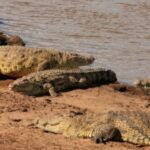
The park’s principal attraction is the Nile crocodile, one of Africa’s most powerful and fascinating reptiles.

Visitors can observe adult and young crocodiles and learn how these ancient predators survive, hunt, communicate and regulate their body temperature.

The Nile crocodile has existed in various evolutionary forms for millions of years. Its physical adaptations include strong jaws, protective scales, sensitive pressure receptors and the ability to remain almost completely submerged while observing its surroundings.

A visit provides an opportunity to look beyond the crocodile’s fearsome reputation and understand its ecological importance.

Educational Crocodile Experience

Amboseli Crocodile Park is designed as more than a place to look at crocodiles. Its educational displays and guided interpretation introduce visitors to subjects including:

  • Nile crocodile biology
  • Crocodile behaviour and communication
  • Freshwater ecosystems
  • Predator-prey relationships
  • Reptile adaptations
  • Biodiversity and conservation
  • The importance of responsible wildlife management

This educational approach makes the park suitable for families, students and travellers who want to understand the animals they encounter during an African safari.

Baby Crocodile Encounter

A supervised baby crocodile encounter may be available during a visit.

The experience introduces visitors to the early stages of a Nile crocodile’s life under the supervision of trained park personnel.

Availability depends on the park’s operational programme and animal-welfare considerations. It should therefore not be treated as a guaranteed activity.

Visitors should ask at the ticket counter upon arrival whether the experience is available that day.

Animals should only be approached or handled when authorised and directly supervised by the park’s trained staff.

School and Educational Visits

Amboseli Crocodile Park welcomes schools, colleges, universities and organised youth groups.

Educational programmes may cover biology, reptile adaptations, freshwater habitats, biodiversity and wildlife conservation. Visual displays and guided sessions can help students connect classroom learning with direct observation.

Schools and organised groups should contact the park before travelling. Advance coordination allows the team to prepare a suitable programme and manage the group safely.

Is Amboseli Crocodile Park Suitable for Children?

The park is promoted as a family-friendly attraction and can provide children with an engaging introduction to reptiles and conservation.

Families can see crocodiles at close range, study their physical characteristics and learn why crocodiles play an important role in aquatic environments.

Children must remain under adult supervision and follow all safety instructions provided by the park’s staff.

The relatively short visiting time also makes the park suitable for families who may find a complete day of game driving tiring.

Photography at Amboseli Crocodile Park

Photography is permitted, and visitors can capture close-up images of Nile crocodiles in natural light.

The experience offers a different photographic subject from the elephants, giraffes, lions, zebras and antelopes normally associated with an Amboseli safari.

For responsible wildlife photography:

  • Follow instructions from the park’s staff
  • Remain within designated visitor areas
  • Avoid disturbing the crocodiles
  • Do not place cameras or mobile phones beyond protective barriers
  • Supervise children while taking photographs
  • Ask before using professional equipment, drones or photographs for commercial purposes

How Long Does a Visit Take?

Most visitors spend approximately 30 minutes to one hour at Amboseli Crocodile Park.

This makes it possible to include the attraction without sacrificing a complete safari day.

However, the best visiting time depends on your wider programme. Travellers should avoid rushing to reach an Amboseli park gate, lodge or airstrip before its required arrival time.

Your safari operator should consider park-entry hours, game-drive plans, road conditions and the location of your accommodation before adding the visit.

Amboseli Crocodile Park Opening Hours

Amboseli Crocodile Park is currently advertised as open every day from:

9:00 AM to 6:30 PM

Opening hours may change because of operational requirements, public holidays, weather conditions or animal-welfare considerations.

Visitors should confirm the current schedule directly with the park before travelling.

Amboseli Crocodile Park Entrance Fees

The park currently advertises the following entrance rates:

International visitors

  • Adults aged 17 years and above: US$25
  • Children aged 5–16 years: US$15
  • Children under five years: Free admission

Kenyan citizens and residents

  • Adults aged 17 years and above: KES1,000
  • Children aged 5–16 years: KES300
  • Children under five years: Free admission

Prices are subject to change. Travellers should confirm the applicable rates before their visit.

Group rates and educational arrangements may be available for schools, colleges, universities and youth organisations.

Do You Need to Reserve in Advance?

Standard visitors currently do not need to reserve admission in advance. Tickets can normally be obtained upon arrival.

Advance arrangements are recommended for:

  • School groups
  • University and college visits
  • Large family groups
  • Tour-operator groups
  • Educational organisations
  • Special events
  • Visitors requiring a structured educational session

The baby crocodile encounter remains subject to availability and should not be assumed to be included automatically with standard admission.

Accepted Payment Methods

Amboseli Crocodile Park operates a cashless payment system.

The park currently advertises the following payment methods:

  • M-PESA
  • Visa
  • Mastercard
  • Bank transfer
  • Direct bank deposit

Cash is not accepted. International visitors should carry a working payment card and advise their bank that they will be travelling in Kenya.

Because internet or payment-system interruptions can occasionally occur in remote areas, visitors may wish to contact the park before travelling to reconfirm the available payment methods.

How to Include the Crocodile Park in an Amboseli Safari

The most convenient time to visit depends on the direction of travel and the selected lodge.

Before entering Amboseli

Travellers approaching through Kimana can stop at the crocodile park before entering Amboseli National Park through Kimana Gate.

This may work well when arrival time allows visitors to spend approximately one hour at the attraction without reducing their planned afternoon game drive.

After an Amboseli game drive

The park can also be visited after leaving Amboseli through Kimana Gate, provided the game drive finishes early enough to arrive before closing time.

This arrangement offers a relaxed conclusion to the day and introduces travellers to a species that is not a regular feature of most Amboseli game drives.

During a two-night Amboseli stay

Travellers staying for two or more nights may include the crocodile park between scheduled game drives. This avoids placing additional pressure on an arrival or departure day.

Nature Bound Africa will consider lodge location, park-gate timings and the overall route before recommending the best time for the visit.

What Else Can You Experience Around Amboseli?

Amboseli Crocodile Park is best combined with a broader Amboseli safari.

Depending on available time, interests and operating conditions, an Amboseli itinerary may include:

  • Morning and afternoon game drives
  • Elephant viewing
  • Views of Mount Kilimanjaro when the mountain is visible
  • Birdwatching around Amboseli’s wetlands
  • Observation Hill
  • Visits to community and cultural projects
  • Photography-focused game drives
  • Visits to neighbouring conservancies
  • A stop at Amboseli Crocodile Park

Activities outside Amboseli National Park may require separate entrance fees and advance arrangements.

Best Time to Visit

Amboseli Crocodile Park can be visited throughout the year, subject to its operating schedule.

The broader Amboseli safari experience changes with the seasons.

The drier months generally make wildlife easier to locate around permanent water sources. During greener periods, visitors may experience dramatic skies, fresh landscapes and rewarding birdlife.

Mount Kilimanjaro is not visible continuously. Clouds can cover the mountain at any time of year, although early mornings and late afternoons may provide better viewing opportunities.

Crocodile activity can also vary according to temperature, weather and feeding schedules. Wildlife behaviour can never be guaranteed.

Responsible Visiting Guidelines

Visitors should follow all instructions provided by the park’s staff.

Important guidelines include:

  • Never cross barriers or enter restricted areas
  • Do not feed the crocodiles
  • Do not touch an animal unless specifically authorised and supervised
  • Keep children under close supervision
  • Avoid shouting or deliberately disturbing the animals
  • Do not throw objects into enclosures
  • Use designated paths and viewing areas
  • Dispose of waste responsibly
  • Ask permission before using drones or commercial photography equipment

Responsible behaviour protects visitors, staff and animals.

Planning Your Visit with Nature Bound Africa

Nature Bound Africa can include Amboseli Crocodile Park in a privately designed Kenya safari.

The attraction works particularly well within itineraries combining Amboseli with destinations such as:

  • Tsavo East National Park
  • Tsavo West National Park
  • Nairobi
  • Lake Naivasha
  • Lake Nakuru National Park
  • Samburu National Reserve
  • Ol Pejeta Conservancy
  • Masai Mara National Reserve

When preparing the itinerary, we will consider travelling time, lodge location, park-entry arrangements and the amount of game-viewing time available.

Entrance fees for Amboseli Crocodile Park should be listed separately unless expressly included in the safari quotation.

Frequently Asked Questions

Where is Amboseli Crocodile Park located?

It is approximately two kilometres from Kimana Gate on the main Kimana–Amboseli Road, C103, in southern Kenya.

Is it inside Amboseli National Park?

It is located near Kimana Gate in the wider Amboseli ecosystem. Visitors should not assume that an Amboseli National Park ticket includes entrance to the crocodile park.

How long should I allow for a visit?

Most visitors spend between 30 minutes and one hour.

Do I need to book in advance?

Standard visitors generally do not need advance reservations. Schools, universities, youth organisations and large groups should contact the park beforehand.

Is the park suitable for children?

It is promoted as a family-friendly attraction. Children must remain under adult supervision and follow all staff safety instructions.

Can visitors see baby crocodiles?

Young crocodiles can be observed, and a supervised baby crocodile encounter may be offered. Availability depends on operational schedules and animal-welfare considerations.

Is photography permitted?

Yes, personal photography is permitted, subject to park rules. Professional photography and drone use should be approved in advance.

Can I pay the entrance fee in cash?

No. The park advertises a fully cashless system accepting M-PESA, Visa, Mastercard, bank transfers and direct deposits.

What are the opening hours?

The currently advertised opening hours are 9:00 AM–6:30 PM daily. Visitors should reconfirm before travelling.

Can Nature Bound Africa add the visit to my safari?

Yes. Nature Bound Africa can incorporate the crocodile park into a private Amboseli or extended Kenya itinerary when the route and timings allow.

Plan Your Amboseli Safari

Would you like to combine Amboseli Crocodile Park with elephants, spectacular landscapes and a privately guided safari in Amboseli National Park?

Nature Bound Africa creates tailor-made Kenya safaris for couples, families, private groups and photographers.

Contact our safari specialists to design an itinerary around your preferred dates, accommodation style and budget.

Email: info@natureboundafrica.com
Website: www.natureboundafrica.com
Western Kenya

Western Kenya

Western Kenya

Overview

Western Kenya is a captivating, off the beaten path world of wonders that offers a powerful alternative to the traditional safari circuits. Dominated by lush green highlands, the country’s only remaining prehistoric tropical rainforest, and the vast expanse of Lake Victoria, this region stands as Kenya’s top lakeside eco-tourism destination. Visitors can immerse themselves in the breathtaking scenery, rich biodiversity, and the vibrant cultures of the local communities.

For travel advisors, Western Kenya delivers a rich tapestry of living history, ancient archaeological marvels, and authentic cultural encounters that appeal deeply to conscious and experiential travelers. The area is not only about scenic landscapes but also offers opportunities for engaging with locals, learning about their traditions, and experiencing their way of life first-hand.

Lake Victoria, the world’s largest tropical lake, is the geographic heart of the region. It features an array of secluded islands that are quickly becoming luxury and adventure staples. As you explore the lake, you can partake in various activities such as fishing, kayaking, or simply relaxing on the shores while enjoying the stunning sunsets.

  • Kisumu City serves as the urban gateway to the western circuit; this lakeside port city blends modern infrastructure with vibrant markets and stunning waterfront vistas.
  • Rusinga Island is a tranquil escape defined by manicured lawns and giant fig trees along the lake’s edge. It is home to the Tom Mboya Mausoleum, an important historic monument honoring one of Kenya’s most influential founding fathers.
  • Mfangano Island is known for its rugged, untouched beauty, prehistoric rock art sites, and deep cultural insights into the traditional lifestyle of the Suba community.
  • Takawiri Island is a true hidden gem featuring white-sand beaches, turquoise waters, and towering palm trees that evoke a coastal resort atmosphere right in the middle of Lake Victoria.

Heritage and Living Culture

  • Experiencing Local Cuisine – The culinary scene in Western Kenya is diverse, reflecting the rich agricultural landscape. Dishes like tilapia from Lake Victoria, ugali, and sukuma wiki are staples, and local markets are perfect for tasting fresh produce and street food delights.
  • Wildlife Viewing Opportunities – The region is home to unique wildlife experiences. Visit the local conservancies to observe hippos in their natural habitat, or take a guided boat tour to see bird species like the African Fish Eagle that thrive around the lake.
  • Cultural Festivals – Engaging with the local communities during cultural festivals can enhance your experience. Events like the Kisumu Carnival showcase traditional dances, music, and crafts, providing insights into the rich heritage of the region.
  • The region’s spiritual and historical geography is deeply tied to its indigenous communities, offering physical links to the ancient past. Visitors can explore cultural sites and participate in traditions that have been preserved through generations, gaining a deeper understanding of the local way of life.

    • Thimlich Ohinga Archaeological Site is a certified UNESCO World Heritage Site (and a Magical Kenya Signature Experience). This 16th-century stone-walled complex is the largest and best-preserved example of traditional Ohingni (dry-stone enclosures). Built entirely without mortar using a unique interlocking design, it stands as an architectural marvel of early pastoral communities in the Lake Victoria basin.
    • Sacred Stones & Formations – The massive, balancing rock pillars of Kit Mikayi and the historic hills of Maragoli hold deep spiritual and cultural significance for the Luo and Luhya communities, serving as active shrines for traditional rituals and folklore.

    Rainforests and Highland Retreats

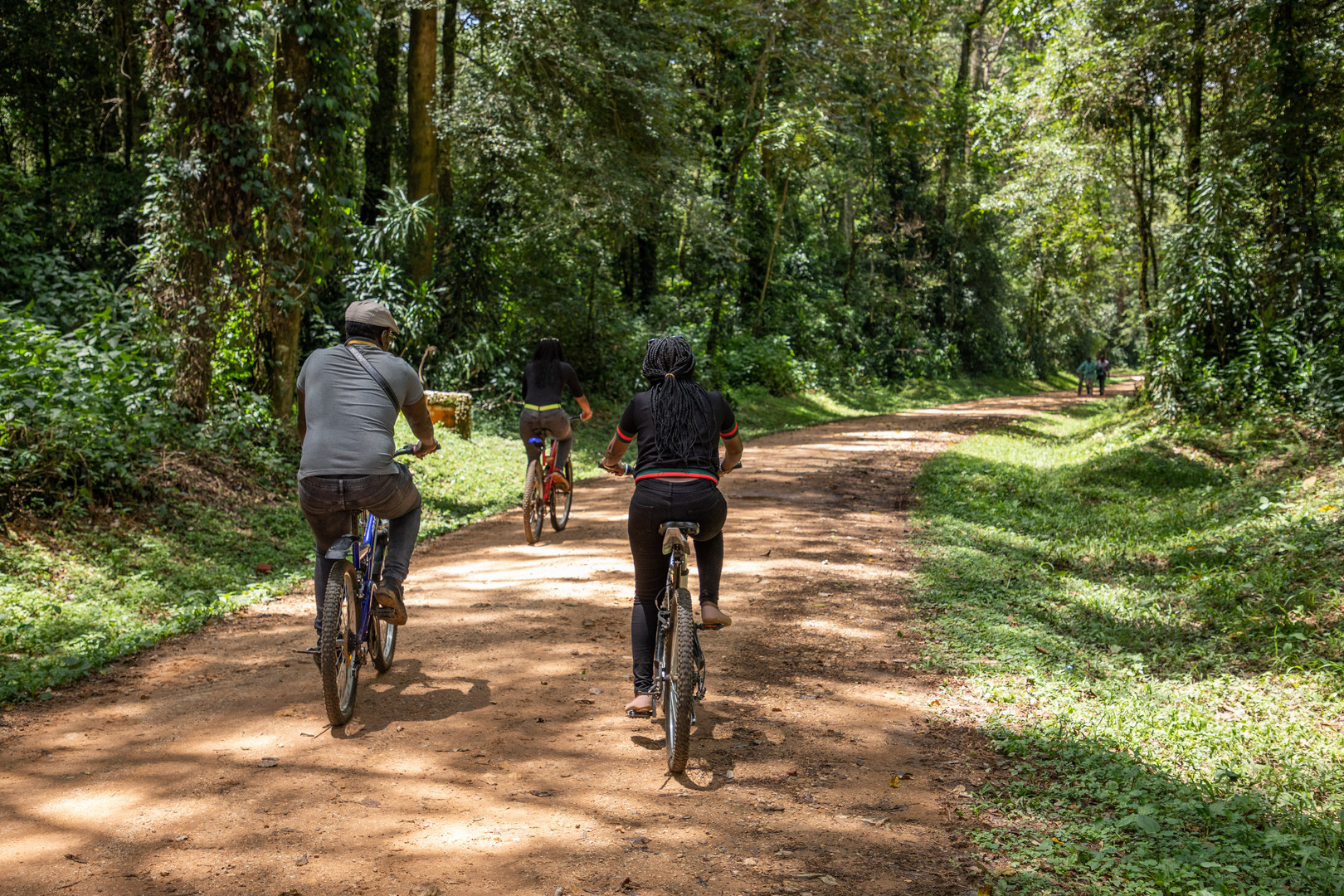
    Western Kenya’s unique topography supports rare ecosystems that cannot be found anywhere else in East Africa. The region is not only a haven for nature lovers but also a perfect destination for those looking to explore the challenging terrains and beautiful landscapes that define the area.

    • Kakamega Forest National Reserve is Kenya’s only remaining patch of the ancient Guineo-Congolian rainforest. This world-famous canopy is a paradise for hikers, primatologists, and birdwatchers, hosting dense populations of rare butterflies, old-growth trees, and endemic bird species.
    • Mount Elgon National Park is an extinct shield volcano straddling the Ugandan border, featuring giant caldera peaks, high-altitude moorlands, and the famous Kitum Cave, where wild elephants venture deep underground to mine natural salt deposits.
    • Tea Plantations and rolling emerald-green hillsides shape the landscapes western Kenya. These expansive, beautifully manicured tea estates offer quiet hill retreats, crisp mountain air, and specialized agro-tourism farm-to-cup experiences.
  • Conservation Efforts – Western Kenya is also home to various conservation projects aimed at protecting endangered species and preserving the natural environment. Engaging with these initiatives gives travelers a chance to learn about wildlife protection efforts firsthand and contribute to sustainable tourism practices in the region.
  • Northern Kenya

    Northern Kenya

    Northern Kenya

    Overview

    Kenya’s wild and arid north, especially Northern Kenya, is the ultimate frontier for travelers looking to truly get away from it all. Characterized by baking deserts, vast volcanic plains, and the dramatic wind-swept shores of Lake Turkana, this region is tailored for high-adventure seekers, cultural enthusiasts, and extreme off-the-beaten-path explorers. For travel advisors, Northern Kenya represents a deeply authentic landscape where ancient tribal traditions, pioneering paleontological history, and resilient, rare wildlife species converge.

    Iconic National Reserves

    The interconnected Samburu, Shaba, and Buffalo Springs National Reserves offer a distinct wildlife experience that contrasts sharply with the southern parks. Fed by the lifegiving Ewaso Nyiro River, these rugged, semi-arid reserves are famous for hosting unique, drought-resistant species specialized for the northern climate. The north is heavily supported by vast networks of community owned conservancies. Properties here offer highly exclusive, low-impact luxury tourism that funds local anti-poaching units and community development.

    Additionally, travelers to Northern Kenya will discover stunning landscapes and unique wildlife that can’t be found in other regions of the country.

    Travel Advisors should market these parks to clients eager to check off the northern special five AKA “The Samburu Special Five” the reticulated giraffe, Grevy’s zebra, Somali ostrich, Beisa oryx, and the long-necked gerenuk

    Home of Human Origins

    • The Jade Sea – at the geographical heart of the far north lies Lake Turkana, affectionately known as the Jade Sea due to its striking, luminous turquoise hue. It holds the title of the world’s largest permanent desert lake and is a designated UNESCO World Heritage Site.
    • Sibiloi National Park – located on the lake’s eastern shore, this park is a stark, beautiful wilderness that serves as the backdrop for Koobi Fora, widely recognized as the “Cradle of Mankind”. The onsite museum preserves some of the world’s most important hominid and prehistoric fossils, offering visitors a profound look at the origins of early human history.
    • Central Island National Park – a dramatic, active volcanic formation rising out of the middle of Lake Turkana. The island features three crater lakes, one hosting a concentrated breeding ground for Nile crocodiles, another filled with flamingos, and a third containing deep black waters filled with tilapia.
    • The Desert Museum – Perched on a hilltop overlooking the lake in Loiyangalani, this specialized museum preserves and showcases the collective material culture and history of the distinct eight ethnic groups residing around the lake Turkana basin.

    Living Heritage and Vibrant Cultural Festivals

    Northern Kenya is home to roughly 14 distinct nomadic and pastoralist communities, including the Samburu, Turkana, Rendille, Borana and the critically endangered El Molo (one of Kenya’s smallest ethnic groups). The region offers some of the most profound cultural immersion experiences on the continent.

    • The Samburu International Camel Derby hosted annually in the highland desert town of Maralal, has grown into a major international sporting and peace festival. It features professional and amateur camel races that draw riders from around the world, transforming the town into a high-energy kaleidoscope of traditional fashion, music, and cuisine.
    • The Marsabit Lake Turkana Cultural Festival held annually in Loiyangalani brings all 14 communities together in a powerful display of peace and unity. It offers travel advisors a rare opportunity to book clients for a multi-day spectacle of traditional dances, intricate beadwork, and oral storytelling along the lake’s edge. Advisors can arrange nomadic camel trekking experiences where clients travel alongside traditional Rendille caravans moving across the arid plains, witnessing a lifestyle that has adapted beautifully to the desert for centuries.
    • The Chalbi Desert Experience is one for true adventure purists. The Chalbi Desert offers an extraordinary landscape of pure white salt pans, massive sand dunes, and unexpected wind-swept oases lined with doum palms. Traveling across this expansive topography by 4×4 or mobile camel safari delivers an unforgettable sense of isolation, scale, and desert majesty.

    In Northern Kenya, the vibrant cultures of various communities offer a rich tapestry of traditions that are both engaging and enlightening for visitors.

    The Marsabit Lake Turkana Cultural Festival in Northern Kenya showcases the unity of local communities.

    Adventurers in Northern Kenya will appreciate the diverse ecosystems that offer thrilling experiences.

    Nairobi and its Environs

    Nairobi and its Environs

    Nairobi and its Environs

    Overview

    Nairobi and its Environs is one of Africa’s most vibrant, progressive, and exciting capital cities. Seamlessly balancing world-class international cuisine and a buzzing nightlife with deep cultural roots, this metropolis serves as a dynamic destination in its own right, rather than a mere transit stop.

    The city draws its name from the indigenous Maasai phrase Enkare Nyrobi, meaning “the place of cool waters”, though it is celebrated today as the “Green City in the Sun.” Beyond its modern skyline, Nairobi boasts a rich tapestry of living history, a thriving contemporary art scene, and a unique claim to international fame: it is home to the world’s only full-scale national game park located within a capital city.

    Nairobi’s unique blend of urban life and nature captivates both residents and visitors alike, making it an ideal location for exploration and adventure.

    Nairobi and its Environs is also celebrated for its vibrant street art scene and thriving markets.

    Urban Wildlife and Conservation

    In Nairobi and its Environs, tourists can also engage with local communities to learn about conservation efforts.

  • Visitors to Nairobi and its Environs can also enjoy guided safaris tailored to their preferences.
  • Nairobi and its Environs offers unique experiences such as elephant adoption programs at the Sheldrick Elephant Orphanage.
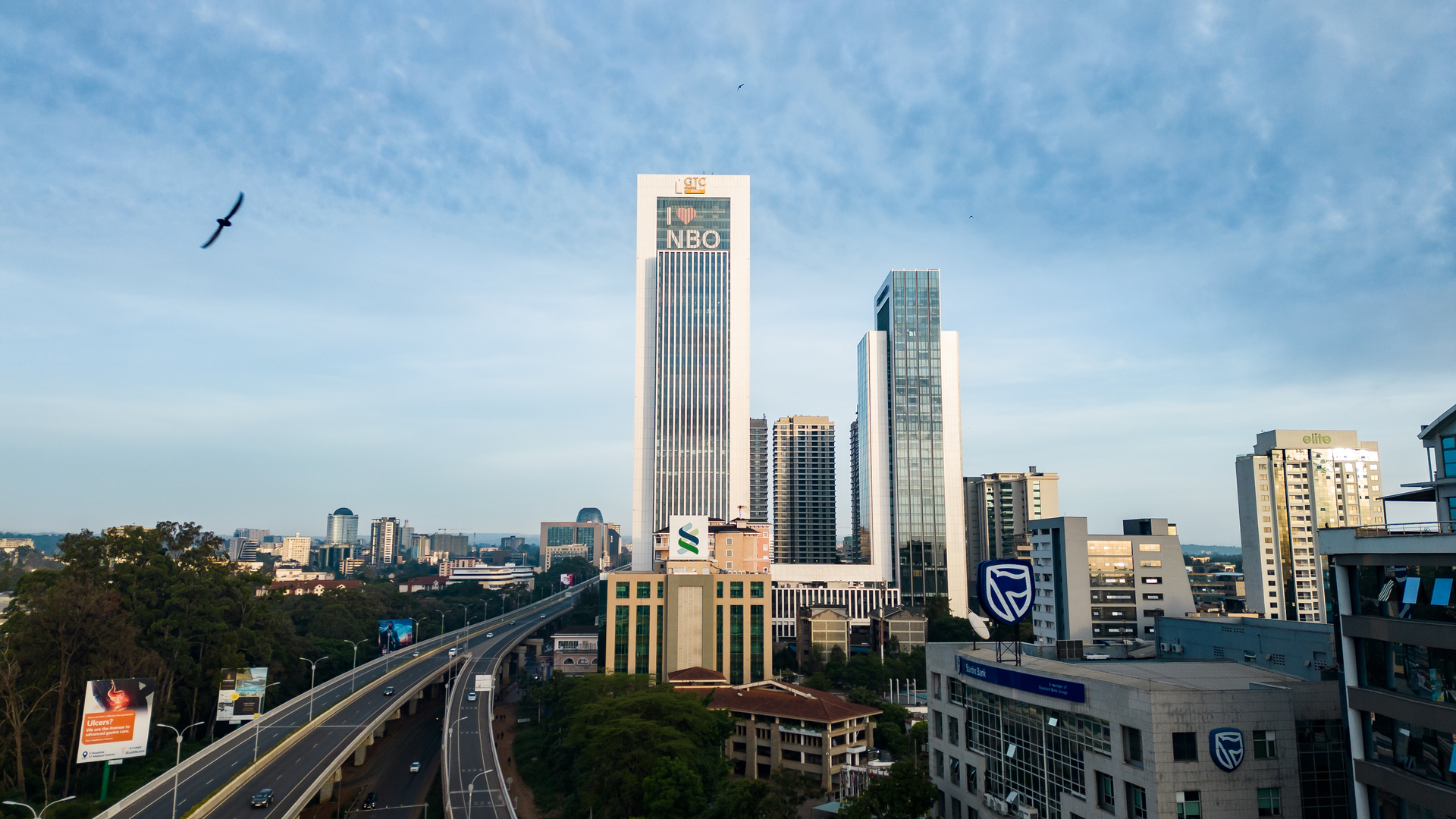
  • Nairobi gives travelers the unparalleled opportunity to experience wildlife conservation and big-game viewing just minutes after stepping off an international flight. The juxtaposition of urban life and wildlife is a striking feature of this city, allowing tourists to witness majestic animals in their natural habitats against a backdrop of modern skyscrapers.

  • Exploring Nairobi and its Environs gives guests insight into giraffe conservation efforts and community outreach.
    • Nairobi National Park is situated a mere 20-minute drive from the central business district. This pristine wildlife park allows clients to view and photograph critically endangered black rhinos, lions and giraffes against a striking background of distant city skyscrapers.
    • The Sheldrick Elephant Orphanage located on the edge of the Nairobi National Park is a world-renowned elephant rescue and rehabilitation center. It offers a deeply moving, educational experience where visitors can witness morning mud-baths and learn about elephant conservation.
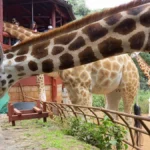
    • The Giraffe Centre is located in the leafy suburbs of Karen. This sanctuary is dedicated to the preservation of the rare Rothschild’s giraffe. Guests can interact with these gentle giants’ eye-to-eye from an elevated and safe viewing platform.

    In Nairobi and its Environs, the rich history can be explored through local storytelling sessions.

    Living History, Art, and Heritage

    For culture enthusiasts and history buffs, Nairobi houses exceptional repositories of East Africa’s complex evolutionary, colonial, and political journey. The city is a melting pot of cultures.

    Each visit provides a chance to delve into its diverse heritage through museums, art galleries, and educational tours.

  • Travelers visiting Nairobi and its Environs can uncover stories behind the railway’s impact on the city.
    • Nairobi National Museum – perched on Museum Hill, this flagship institution features collections of prehistoric hominid fossils, traditional cultural artifacts, and a stunning gallery of East African avian taxidermy.
    • The Railway Museum – is a fascinating look into the birth of Nairobi, tracking the construction of the “Lunatic Line” that transformed a swampy rail depot into a sprawling modern capital.
    • Karen Blixen Museum – the historic, preserved farmhouse of the famous Danish author of Out of Africa, offering a nostalgic window into Kenya’s early 20th-century colonial history.
    • The Nairobi Gallery – housed within the historic “Point Zero” building (the literal center of Nairobi’s colonial map), the gallery showcases the monumental Murumbi Collection of rare African art, textiles, and jewelry.

    Urban Nature and Vibrant Commerce

    Nairobi and its Environs presents various outdoor activities, attracting adventure enthusiasts year-round.

    Nairobi’s natural typography allows visitors to escape into serene, green canopies or immerse themselves in the high-energy rhythm of local trade. Karura Forest is one of the largest secured urban gazetted forests in the world.

    Championed by Nobel Laureate Wangari Maathai, it features pristine walking trails, waterfalls, bamboo forests, and sacred caves, making it a favorite for eco-tourists, runners, and birdwatchers.

    The forest is also a community space where locals engage in recreation, making it a vibrant part of the city’s ecosystem.

    The Maasai Markets are a rotating, open-air marketplace that transforms different city parking lots and plazas daily into a kaleidoscope of color.

    It is the definitive shopping destination for hand-carved wooden sculptures, intricate beadwork, brass jewelry, and traditional Swahili fabrics.

    Visitors can engage with local artisans, learn about their craft, and even participate in workshops to create their own unique souvenirs.

    Culinary experiences in Nairobi and its Environs reflect the blend of cultures present in the city.

    Festivals in Nairobi and its Environs are a great way to witness the unity and diversity of Kenyans.

    Beyond shopping and exploring wildlife, Nairobi offers a rich array of culinary experiences. From street food stalls serving delicious local dishes like ugali and nyama choma to high-end restaurants offering gourmet international cuisine, food lovers will find a diverse palette of flavors to indulge in.

    Culinary tours are available, allowing visitors to sample an array of dishes while learning about the cultural significance of each meal.

    Nairobi and its Environs also hosts annual cultural festivals, celebrating music, art, and dance from various communities across the country.

    These vibrant events attract both locals and tourists, showcasing the rich diversity of Kenyan culture through performances, food stalls, and art exhibitions.

    This provides a fantastic opportunity for visitors to immerse themselves in the local way of life.

    💬