January – March: The “Quiet” Green Season
Explore the wonders of wildlife with the nature bound africa great migration guide.
Utilize the nature bound africa great migration guide to explore the stunning wildlife and learn about the migration process.
The nature bound africa great migration guide is essential for anyone interested in wildlife conservation.
With the nature bound africa great migration guide, you’ll discover hidden gems and unique experiences across the continent.
Discover the nature bound africa great migration guide
The nature bound africa great migration guide provides travelers with valuable tips on the best times to visit.
Refer to the nature bound africa great migration guide for a complete understanding of the migration’s impact on local ecosystems.
Experience the journey with the nature bound africa great migration guide by your side.
Keep the nature bound africa great migration guide handy for all your travel planning needs.
This nature bound africa great migration guide offers insights into the migration patterns and the best times to visit.
Make sure you have the nature bound africa great migration guide to optimize your experience.
Utilize the nature bound africa great migration guide to enhance your safari experience.
nature bound africa great migration guide
The Great Migration is one of nature’s most spectacular events, where millions of wildebeest, zebras, and other animals traverse the plains of East Africa. This nature bound africa great migration guide: A Month-by-Month Migration Guide to the Masai Mara Kenya will help you understand the dynamics of the migration and the best times to witness this breathtaking phenomenon.
The nature bound africa great migration guide will help you witness the wonders of the migration.
Utilize the nature bound africa great migration guide to make the most of your safari.
With the nature bound africa great migration guide, you’ll have insights into the best wildlife viewing locations.
Consult the nature bound africa great migration guide for detailed itineraries and travel options.
The nature bound africa great migration guide will help you plan your wildlife adventure effectively.
This nature bound africa great migration guide: A Month-by-Month Migration Guide to the Masai Mara Kenya is essential for anyone looking to explore the wonders of this destination.
Follow the nature bound africa great migration guide for a breathtaking experience in the wild.
Plan your journey with the nature bound africa great migration guide to ensure a successful safari.
Your nature bound africa great migration guide will be key in navigating the landscape.
Prepare with the nature bound africa great migration guide for all that nature has to offer.
The nature bound africa great migration guide is your best resource for a memorable trip.
Embrace the adventure with the nature bound africa great migration guide by your side.
Keep the nature bound africa great migration guide to maximize your safari adventures.
Your nature bound africa great migration guide will assist in capturing stunning photos.
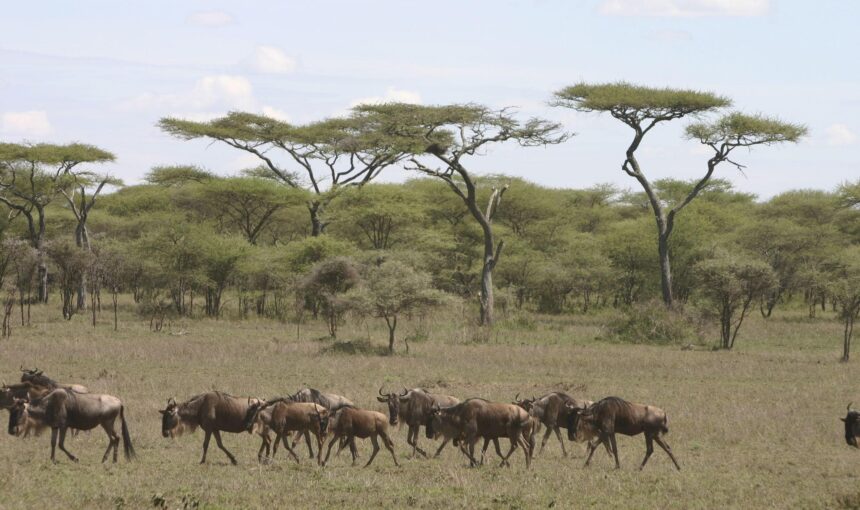
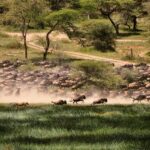
- The Movement: The massive wildebeest herds are far south in the Tanzania Serengeti for calving season.
- The Experience: This is the “secret” best time for photographers. The Mara is lush and green, the air is clear of dust, and the resident lions, leopards, and cheetahs are still there.
- Why Book Now: Lower prices and fewer crowds. You have the plains to yourself.
Every moment is captured perfectly in the Nature Bound Africa The Great Migration Guide, showcasing the journey of wildlife.
With the Nature Bound Africa The Great Migration Guide, you can follow the movement of these majestic animals.
Don’t forget to refer to the Nature Bound Africa The Great Migration Guide for optimal viewing locations.
For the best insights, consult the Nature Bound Africa The Great Migration Guide during your safari.
The Nature Bound Africa The Great Migration Guide will be your best companion on this journey.
Refer to your nature bound africa great migration guide for the ultimate safari experience.
The nature bound africa great migration guide is essential for understanding wildlife behavior.
Use the nature bound africa great migration guide to enhance your travel experience.
For the best insights, the nature bound africa great migration guide is your go-to resource.
During this time, the Serengeti is teeming with life as the wildebeests give birth to their young, ensuring the survival of the species. The sight of newborn calves taking their first steps is a heartwarming experience for visitors.
Make the most of your safari using the nature bound africa great migration guide.
Consult the nature bound africa great migration guide for expert advice on wildlife viewing.
For optimal results, keep the nature bound africa great migration guide accessible.
The nature bound africa great migration guide is your best ally for exploring the savannah.
The lush environment also attracts a variety of other wildlife, including elephants and buffalo, making this a prime time for wildlife photographers seeking stunning images.
Keep the nature bound africa great migration guide at hand for a seamless safari.
In April and May, use the Nature Bound Africa The Great Migration Guide to experience the quieter landscapes.
Following the Nature Bound Africa The Great Migration Guide allows you to understand the dynamics of wildlife movements.
Travelers can take advantage of lower rates for accommodation in this season, leading to a more exclusive safari experience with fewer tourists around.
As part of this Nature Bound Africa The Great Migration Guide: A Month-by-Month Migration Guide to the Masai Mara Kenya, travelers will find insights into the best viewing spots.
April and May mark the long rains in the region. While some camps may close, those willing to brave the weather will find themselves in a quieter landscape filled with dramatic skies and vibrant greenery.
April – May: The Long Rains
Utilizing this A Month-by-Month Migration Guide to the Masai Mara Kenya will enhance your understanding of the migration dynamics.
As the rains soften the earth, the wildlife adapts, creating a unique atmosphere where animals can be observed in their natural behaviors as they revel in the revitalized environment.
Keep this A Month-by-Month Migration Guide to the Masai Mara Kenya handy for planning your safari effectively.
Adventurous travelers may find this time ideal for spotting migratory birds and observing rare species drawn to the lush vegetation.
- The Movement: The herds are moving through the Western Corridor of the Serengeti.
- The Experience: Many camps close, but for the adventurous, the storms are dramatic and beautiful.
- Nature Bound Tip: We recommend this for travelers on a budget who don’t mind a bit of mud in exchange for total exclusivity.
Make sure to have the Nature Bound Africa The Great Migration Guide while planning your wildlife adventure.
June acts as a transition month where the migration’s leaders begin their journey towards the Mara River, presenting an excellent opportunity to witness the buildup of this natural spectacle.
June: The Build-Up
Consult the nature bound africa great migration guide to navigate the wildlife experience.
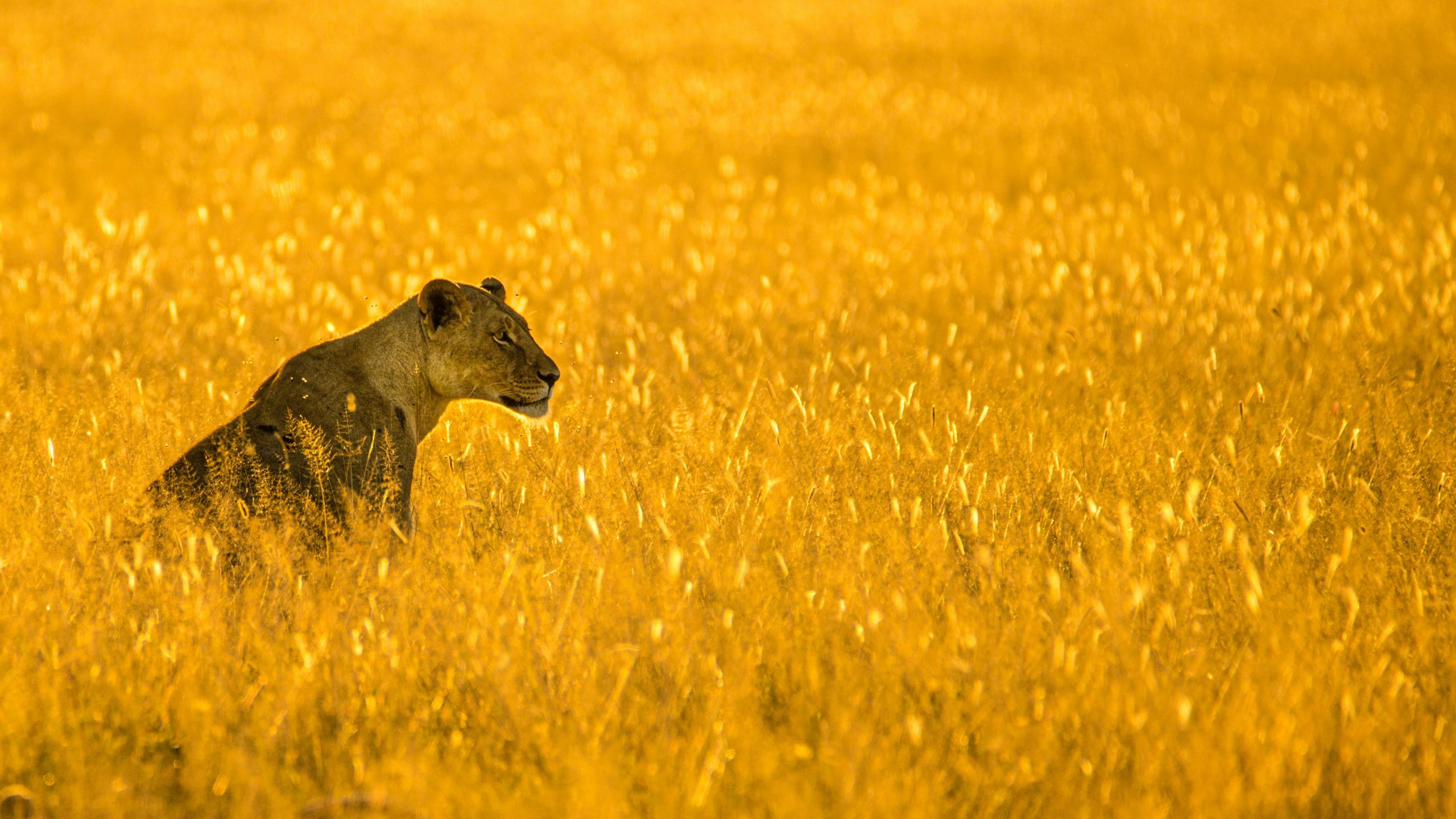
The anticipation of the crossings creates a thrilling atmosphere among visitors and wildlife alike. The golden grasses indicate the changing seasons and preparation for the migration.
With the nature bound africa great migration guide, enjoy your adventure to the fullest.
- The Movement: The “vanguard” (the leaders) of the migration starts moving into the Loita Plains and towards the Mara River.
- The Experience: The grass starts to turn gold. There is a sense of “anticipation” in the air.
Refer to the nature bound africa great migration guide for powerful insights into the migration.
In July, nature lovers can observe the herds bravely facing the treacherous river crossings, a captivating sight that showcases the instinctual drive to survive.
Ensure you have the nature bound africa great migration guide to enhance your wildlife experience.
Explore every facet of your journey with the nature bound africa great migration guide.
Maximize your adventures with the nature bound africa great migration guide close at hand.
Bring along this A Month-by-Month Migration Guide to the Masai Mara Kenya to ensure you don’t miss the best moments.
July: The Arrival & The First Crossings
Witnessing thousands of wildebeests as they gather at the river’s edge creates an unforgettable experience, often accompanied by the tense silence of anticipation.
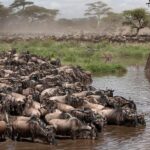
- The Movement: The herds arrive! This is the start of the iconic Mara River Crossings.
- The Experience: High drama. You will see wildebeest gathered by the thousands at the river’s edge, nervous about the crocodiles waiting below.
- Note: This is peak season. Bookings must be made 8–12 months in advance.
August – September: The Peak Drama
With this A Month-by-Month Migration Guide to the Masai Mara Kenya, each month unlocks new adventures.
August and September are peak months for the migration, as herds take advantage of the abundance of food in the Masai Mara, creating high predator action that can be witnessed from various vantage points.
- The Movement: The herds are settled in the Masai Mara, moving back and forth across the river seeking fresh grass.
- The Experience: This is the “National Geographic” moment. You are guaranteed to see massive numbers of animals and high predator action.
- Nature Bound Tip: We use our private conservancy access to get you away from the “mini-bus” traffic jams.
Plan your adventure with the insights from the Nature Bound Africa The Great Migration Guide to enhance your experience.
The nature bound africa great migration guide provides valuable insights for every traveler.
This is the time for dramatic sightings where tourists can see predators in action, showcasing the raw beauty and brutality of nature.
Use the nature bound africa great migration guide to unlock the secrets of the wildlife.
October: The Last Stand
Private conservancies offer unique experiences away from the crowds, allowing guests to engage more intimately with the surroundings and wildlife.
Refer to this A Month-by-Month Migration Guide to the Masai Mara Kenya as you plan your thrilling experiences.
With the nature bound africa great migration guide, you’ll navigate the wilderness with ease.
Prepare for your adventure with the nature bound africa great migration guide as your companion.
Let the nature bound africa great migration guide be your key to unforgettable moments.
Ensure your travels are enriched by the nature bound africa great migration guide.
Embark on your journey with the nature bound africa great migration guide for the best experience.
Leverage the nature bound africa great migration guide to enrich your understanding of the migration.
Throughout your travels, keep the nature bound africa great migration guide within reach.
For optimal wildlife viewing, rely on the nature bound africa great migration guide.
With the nature bound africa great migration guide, you’ll capture the essence of this journey.
Let the nature bound africa great migration guide lead you to unforgettable experiences.
Don’t forget to consult the nature bound africa great migration guide for the best spots.
Take every chance to utilize the nature bound africa great migration guide during your travels.
Keep the nature bound africa great migration guide as your trusted companion on this adventure.
With the nature bound africa great migration guide, explore the wonders of nature.
Embrace the great migration with the nature bound africa great migration guide close by.
Your journey is enhanced with the nature bound africa great migration guide as your reference.
Remember to keep the nature bound africa great migration guide handy for all your adventures.
As October arrives, the herds begin to move back south, creating the perfect opportunity for those wishing to witness the migration’s conclusion while enjoying the beauty of the Mara.
- The Movement: As the grass in the Mara finished, the herds begin to look south toward the Serengeti.
- The Experience: The weather is dry and hot. Wildlife is concentrated around the remaining water holes, making for excellent, easy viewing.
Wildlife congregates around water sources, offering excellent viewing opportunities for photographers and wildlife enthusiasts alike.
November: The Short Rains
November signals the beginning of the short rains, rejuvenating the land. The landscape transforms overnight as the green returns, making it a great time for birdwatching.
This A Month-by-Month Migration Guide to the Masai Mara Kenya will heighten your safari experience.
Remember to share your experiences using the Nature Bound Africa The Great Migration Guide for inspiration.
Leverage this A Month-by-Month Migration Guide to the Masai Mara Kenya to capture stunning wildlife moments.
- The Movement: The wildebeest head south back into Tanzania to catch the new grass triggered by the rains.
- The Experience: The Mara “breathes” again. Everything turns green almost overnight. It’s a beautiful time for birdwatching.
Bird enthusiasts can enjoy the influx of migratory species, turning the Mara into a vibrant tapestry of colors and sounds.
December: Festive Season
Every aspect of this A Month-by-Month Migration Guide to the Masai Mara Kenya enhances the safari experience.
December is a festive time where visitors can enjoy the presence of resident wildlife thriving in the absence of the migration.
- The Movement: The migration is gone, but the “Resident” wildlife is thriving.
- The Experience: Excellent for families. The weather is generally pleasant with short, afternoon bursts of rain.
Planning with this A Month-by-Month Migration Guide to the Masai Mara Kenya is crucial for an unforgettable trip.
Families can appreciate the pleasant weather, ideal for outdoor activities and relaxation while enjoying the natural beauty of the Mara.
Use the Nature Bound Africa The Great Migration Guide as your reference point for wildlife viewing.
📞 Plan Your Masai Mara Safari
Each month of the migration provides a different experience, allowing visitors to choose the best time for their preferences and interests.
Engaging with local cultures and participating in community activities can enhance your safari experience, providing a deeper understanding of the ecosystem and its inhabitants.
As you plan your adventure, consider your interests, whether you prefer photography, wildlife observation, or cultural interactions.
Timing, lodge location, and guide experience all matter.
Incorporate insights from this A Month-by-Month Migration Guide to the Masai Mara Kenya into your plans.
Communicating your preferences to your safari planner will ensure a tailored experience that meets your expectations.
Understanding the nuances of the migration helps elevate your safari experience, guiding you to the best locations during your visit.
With this month-by-month migration guide, you can strategically plan your safari to witness the incredible journey of the animals in the Masai Mara.
Ensure to utilize the Nature Bound Africa The Great Migration Guide for the best safari experience.
A Month-by-Month Migration Guide to the Masai Mara Kenya
In conclusion, the Great Migration is a once-in-a-lifetime experience, and with this guide, you can plan the perfect safari to see it unfold. Embrace the journey and enjoy the spectacular sights and sounds of the Masai Mara, Kenya.
This A Month-by-Month Migration Guide to the Masai Mara Kenya will transform your journey.
Immerse yourself in the adventure with the Nature Bound Africa The Great Migration Guide at hand.
Experience the thrill of witnessing the Great Migration, and remember to share your stories and photos with others to inspire them to embark on their own adventures.
At the end of your adventure, you will take home unforgettable memories and a deeper appreciation for the natural world.
As you immerse yourself in this breathtaking journey, remember to respect the wildlife and their habitats, ensuring that future generations can also experience this wonder.
Ultimately, the Great Migration is not just about the animals; it is about the connections we make with nature and the experiences that shape our understanding of wildlife conservation.
Don’t miss out on this opportunity to experience one of the greatest wildlife spectacles on Earth.
With the Nature Bound Africa The Great Migration Guide, embrace the journey of a lifetime.
👉 Get a custom itinerary based on:
- Your travel dates
- Your budget
- Migration movement
For more information on planning your trip, and to get the most out of your experience, refer to our full guide on safaris in East Africa.
This comprehensive A Month-by-Month Migration Guide to the Masai Mara Kenya ensures you won’t miss out.
Merge your plans with this A Month-by-Month Migration Guide to the Masai Mara Kenya for effective strategies.
Contact us today and our safari specialists will design your African safari adventure, tailored entirely to your travel style, interests, and schedule.
Lastly, ensure you have the Nature Bound Africa The Great Migration Guide while venturing into the wild.
Speak with our safari experts: +255 784 737 413
Remember to use this A Month-by-Month Migration Guide to the Masai Mara Kenya for tailored experiences.
Chat with us instantly on WhatsApp: +255 784 737 413
Utilizing this A Month-by-Month Migration Guide to the Masai Mara Kenya can make a significant difference.
A Month-by-Month Migration Guide to the Masai Mara Kenya
Go where you want. Travel when you want. Experience Africa your wayDiscover the Ultimate Solo Safari ExperienceA Guide to Tanzania and Zanzibar HolidayEssential Sustainable Travel & Luxury Packing ListThings to do in Tanzania
Ensure you have this A Month-by-Month Migration Guide to the Masai Mara Kenya for the best tips.
The details in this A Month-by-Month Migration Guide to the Masai Mara Kenya can enhance your experience.
Ensure you have this A Month-by-Month Migration Guide to the Masai Mara Kenya as a reference during your trip.Essential Sustainable Travel & Luxury Packing ListA Guide to Tanzania and Zanzibar HolidayEssential Sustainable Travel & Luxury Packing ListA Guide to Tanzania and Zanzibar HolidayEssential Sustainable Travel & Luxury Packing ListDiscover the Ultimate Solo Safari ExperienceThings to do in Tanzania
Related Posts
For an unforgettable experience, refer to the Nature Bound Africa The Great Migration Guide for your trip planning.
To fully enjoy the landscapes, consult the Nature Bound Africa The Great Migration Guide frequently.