Menu
Rwanda Safari FAQs: 50 Questions Answered by Local Experts

Rwanda Safari FAQs: 50 Questions Answered by Local Experts

Planning a Rwanda Safari? Start Here.

Rwanda has become one of Africa’s most sought-after safari destinations, famous for mountain gorilla trekking, conservation success stories, stunning landscapes, and luxury wildlife experiences. Whether you are planning your first visit or returning to Africa, this guide answers the most common questions travelers ask before booking a Rwanda safari. For more detailed insights, check our Rwanda Safari FAQs.

For more information, explore our Rwanda Safari FAQs, where we address all your concerns and provide insights into what to expect on your trip.

As East Africa safari specialists, we have compiled 50 frequently asked questions to help you plan your Rwanda adventure with confidence.

These Rwanda Safari FAQs are designed to make your planning easier and more enjoyable as you prepare for your trip.

These Rwanda Safari FAQs are designed to provide clarity and confidence for your travel plans.

Consult our Rwanda Safari FAQs for practical advice and tips to enhance your travel experience.

In the following sections, we will explore various Rwanda Safari FAQs to guide you through your journey.

As you read through these Rwanda Safari FAQs, consider the unique experiences that await you in this beautiful country.

Planning your visit with the insights from our Rwanda Safari FAQs ensures you have the best experience possible.

These Rwanda Safari FAQs will help clarify all your doubts before embarking on this adventure.


General Rwanda Safari Questions

1. Is Rwanda a good safari destination?

Yes. Rwanda offers world-class gorilla trekking, chimpanzee tracking, beautiful scenery, and exceptional conservation experiences.

2. What is Rwanda famous for?

Rwanda is famous for:

  • Mountain gorilla trekking
  • Volcanoes National Park
  • Dian Fossey’s conservation work
  • Nyungwe Forest National Park
  • Akagera National Park
  • Lake Kivu

3. Is Rwanda safe for tourists?

Explore the Rwanda Safari FAQs section for insights on what to bring and how to prepare.

Yes. Rwanda is widely considered one of Africa’s safest and cleanest countries for visitors.

Refer to our Rwanda Safari FAQs to help you make informed decisions about your travel itinerary.

Each of these Rwanda Safari FAQs is crafted to provide you with essential information for your trip.

4. How many days do I need for a Rwanda safari?

Most travelers spend between 4 and 8 days exploring Rwanda.

5. When is the best time to visit Rwanda?

The best months are:

  • June to September
  • December to February

These periods generally offer drier trekking conditions.


Gorilla Trekking Questions

6. Why is Rwanda famous for gorilla trekking?

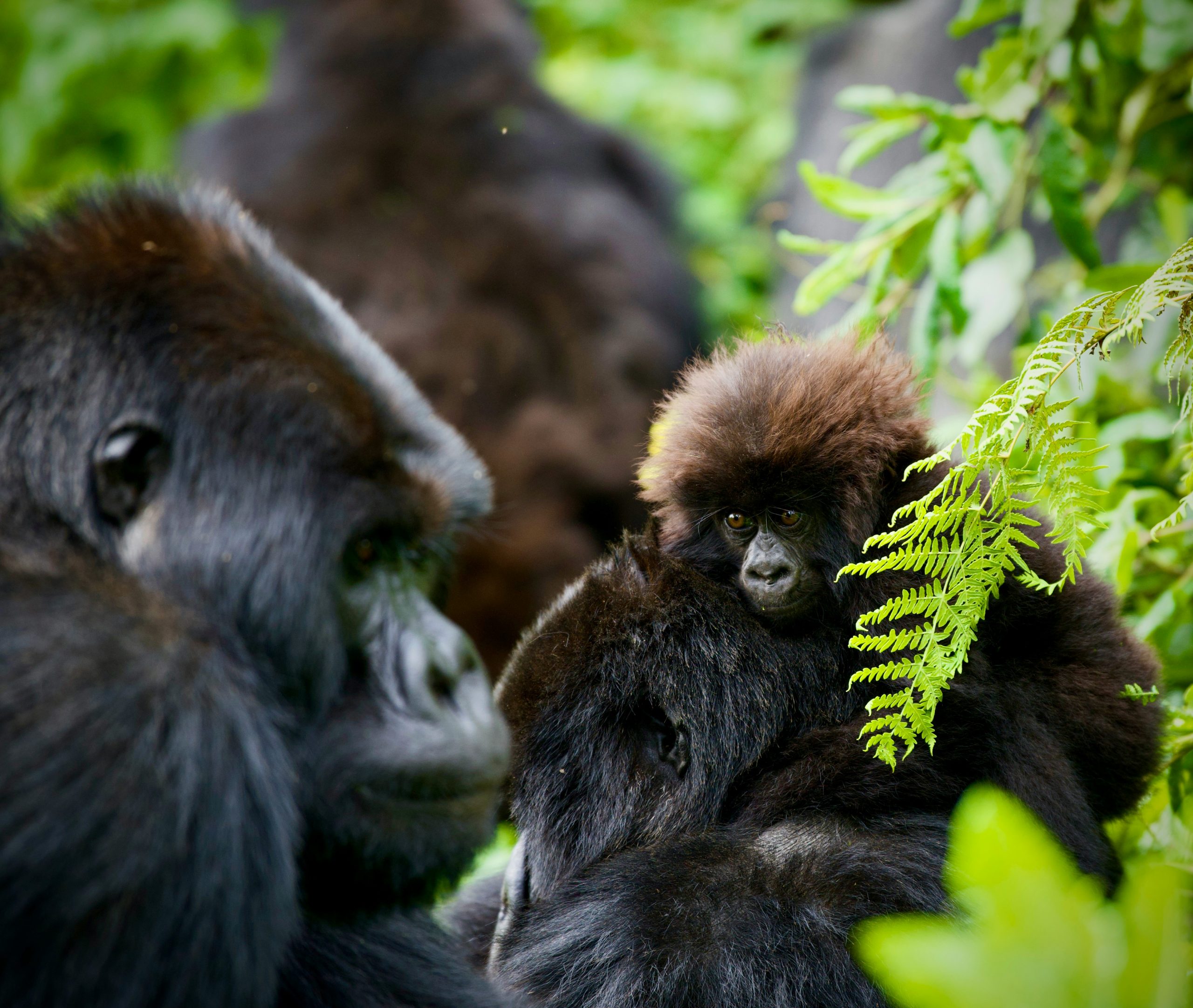
Rwanda offers one of the world’s most accessible mountain gorilla experiences in Volcanoes National Park.

Our Rwanda Safari FAQs cover everything from travel safety to gorilla tracking tips, ensuring you are well-prepared.

7. How much does a Rwanda gorilla permit cost?

Utilize the Rwanda Safari FAQs to learn about the best times to visit and what to expect.

Currently, a standard gorilla trekking permit costs USD 1,500 per person.

Understanding our Rwanda Safari FAQs can enhance your overall experience as you plan your journey.

8. How long does a gorilla trek take?

Our Rwanda Safari FAQs contain vital information that will enhance your travel experience.

Treks can last anywhere from 1 to 8 hours depending on the gorilla family’s location.

For additional insights, please refer to our Rwanda Safari FAQs for detailed recommendations.

9. How much time do I spend with the gorillas?

Visitors are allowed one hour with the gorillas once located.

10. Is gorilla trekking difficult?

The Rwanda Safari FAQs section is a valuable resource for both first-time visitors and returning travelers.

Incorporate our Rwanda Safari FAQs into your planning to ensure a seamless and enjoyable visit.

Fitness requirements vary. Some treks are relatively easy while others involve steeper terrain.

11. Is gorilla trekking worth the cost?

Absolutely. Many travelers describe it as one of the most life-changing wildlife experiences on Earth.

Stay informed with our Rwanda Safari FAQs to understand the local customs and regulations.

12. How close do you get to the gorillas?

Visitors are required to maintain a minimum distance of approximately 7 meters whenever possible.

13. Can children go gorilla trekking?

No. The minimum age for gorilla trekking is generally 15 years.

14. How many people visit each gorilla family?

Consulting our Rwanda Safari FAQs allows you to gather the necessary information for a successful trip.

Groups are limited to a maximum of 8 visitors per gorilla family.

15. Can I take photos during the trek?

Yes. Photography is allowed without flash.


Volcanoes National Park Questions

16. What is Volcanoes National Park?

Volcanoes National Park is Rwanda’s premier wildlife destination and home to mountain gorillas and golden monkeys.

17. How many days should I spend in Volcanoes National Park?

Most visitors spend 2–3 nights.

18. Can I see golden monkeys?

Yes. Golden monkey trekking is one of the park’s most popular activities.

19. What is the Dian Fossey Tomb Hike?

A guided hike to the grave of renowned primatologist Dian Fossey and the original Karisoke Research Center site.

20. Can I visit the Ellen DeGeneres Campus?

Yes. The Ellen DeGeneres Campus of the Dian Fossey Fund welcomes visitors interested in gorilla conservation.


Akagera National Park Questions

21. What is Akagera National Park?

Akagera is Rwanda’s only savannah national park and home to the Big Five.

22. Can I see the Big Five in Rwanda?

Yes. Akagera National Park is home to:

  • Lions
  • Leopards
  • Elephants
  • Buffalo
  • Rhinoceros

23. How many days should I spend in Akagera?

Typically 1–3 nights.

24. Is Akagera worth visiting?

Yes. It offers a classic African safari experience combined with Rwanda’s conservation success story.

25. Can I do boat safaris in Akagera?

Yes. Boat cruises on Lake Ihema are very popular.


Nyungwe Forest Questions

26. What is Nyungwe Forest National Park?

Nyungwe is one of Africa’s oldest rainforests and a biodiversity hotspot.

27. Can I see chimpanzees in Rwanda?

Yes. Chimpanzee trekking is one of Nyungwe’s main attractions.

28. How difficult is chimpanzee trekking?

Moderate fitness is generally required.

29. What is the Canopy Walk?

A suspended bridge offering spectacular views above the rainforest canopy.

30. Is Nyungwe worth visiting?

Absolutely. It offers a completely different experience from gorilla trekking.


Accommodation Questions

31. What accommodation options are available?

  • Budget lodges
  • Mid-range lodges
  • Luxury lodges
  • Eco-lodges
  • Boutique hotels

32. Are Rwanda lodges comfortable?

Yes. Rwanda is known for high-quality accommodations and excellent hospitality.

33. Do lodges have private bathrooms?

Most mid-range and luxury properties provide en-suite facilities.

34. Is Wi-Fi available?

Many hotels and lodges offer Wi-Fi.

35. Is Rwanda suitable for luxury travel?

Yes. Rwanda is one of Africa’s leading luxury safari destinations.


Travel & Logistics Questions

36. Do I need a visa for Rwanda?

Many nationalities can obtain a visa on arrival or enter visa-free depending on their country.

37. What currency is used in Rwanda?

The Rwandan Franc (RWF) is the local currency.

38. Are US Dollars accepted?

Yes. US Dollars are widely accepted in tourism establishments.

39. Can I use credit cards?

Yes. Credit cards are accepted at most hotels and lodges.

40. Do I need vaccinations?

Travel requirements vary by country of origin. Consult your doctor before travel.


Lake Kivu Questions

41. What is Lake Kivu?

Lake Kivu is one of Africa’s Great Lakes and a popular destination for relaxation after gorilla trekking.

42. What activities can I do at Lake Kivu?

The Rwanda Safari FAQs will guide you through everything you need to know about your visit.

Popular activities include:

  • Kayaking
  • Boat cruises
  • Coffee tours
  • Cycling
  • Swimming

43. How many days should I spend at Lake Kivu?

Most travelers spend 1–3 nights.

44. Is Lake Kivu worth visiting?

Yes. It provides a relaxing contrast to Rwanda’s wildlife experiences.

45. Which towns are most popular?

Gisenyi, Kibuye, and Cyangugu are the most visited lakeside destinations.


Booking Questions

46. How far in advance should I book?

Gorilla permits are limited and often sell out months in advance. Booking 6–12 months ahead is recommended.

47. Can I customize my Rwanda itinerary?

Yes. Most Rwanda safaris can be tailored to individual interests and travel schedules.

Make sure to check our Rwanda Safari FAQs to optimize your trip planning.

48. Do I need travel insurance?

Yes. Comprehensive travel insurance is highly recommended.

49. Can Rwanda be combined with Uganda or Tanzania?

Absolutely. Many travelers combine Rwanda with Uganda gorilla trekking, Tanzania safaris, or Kenya safaris.

50. Why book with a local East Africa safari company?

Local operators provide expert destination knowledge, personalized service, direct communication, and regional expertise across East Africa.


Explore the perspective of our Rwanda Safari FAQs to ensure a well-rounded understanding of your journey.

Ready to Plan Your Rwanda Safari?

Whether you dream of meeting mountain gorillas, tracking chimpanzees through ancient rainforests, exploring Akagera’s wildlife, or relaxing on the shores of Lake Kivu, our team is here to help.

Our Rwanda Safari FAQs provide an excellent overview of what to expect when visiting Rwanda.

Contact Nature Bound Africa today and let us create a tailor-made Rwanda safari designed around your interests, travel style, and budget.

Utilize our Rwanda Safari FAQs for quick tips and answers to common queries.

For a comprehensive understanding, refer back to our Rwanda Safari FAQs throughout your planning process.

Go where YOU want. Travel when YOU want. Experience Africa your way.Essential Sustainable Travel & Luxury Packing ListA Guide to Tanzania and Zanzibar Holiday
Kenya Safari FAQs: 50 Questions Answered by Local Experts

Kenya Safari FAQs: 50 Questions Answered by Local Experts

Planning a Kenya Safari? Start Here. Check out our Kenya Safari FAQs.

For further insights, refer to our comprehensive Kenya Safari FAQs that cover everything you need to know.

Our Kenya Safari FAQs are crafted to address the most common inquiries from travelers like you.

Don’t forget to check out our Kenya Safari FAQs for practical tips.

We invite you to explore our detailed Kenya Safari FAQs for expert advice.

Kenya is one of Africa’s most iconic safari destinations, famous for the Masai Mara, the Great Migration, abundant wildlife, and breathtaking landscapes. Whether you’re planning your first safari or returning for another African adventure, it’s natural to have questions.

Our Kenya Safari FAQs will help clarify your safari planning experience.

Discover answers in our Kenya Safari FAQs.

Refer to our Kenya Safari FAQs for more insights.

For more information, check our Kenya Safari FAQs.

For more detailed insights, explore our comprehensive Kenya Safari FAQs.

As East Africa safari specialists, we’ve compiled the most frequently asked questions about Kenya safaris to help you plan with confidence.


General Kenya Safari Questions

1. Is Kenya a good safari destination?

Yes. Kenya is considered one of Africa’s top safari destinations, offering excellent wildlife viewing, diverse landscapes, and world-renowned national parks and reserves.

2. What is Kenya famous for?

Kenya is famous for:

  • Masai Mara National Reserve
  • The Great Migration
  • The Big Five
  • Amboseli National Park
  • Mount Kenya
  • Kenyan coastal beaches

3. Is Kenya safe for tourists?

Yes. Kenya is generally safe for tourists visiting established safari destinations and popular travel areas.

4. How many days do I need for a Kenya safari?

Most visitors spend between 5 and 10 days on safari, although shorter and longer itineraries are available.

5. When is the best time to visit Kenya?

The best wildlife viewing is generally between June and October, while the Great Migration is most active from July through October.


Kenya Safari Cost Questions

6. How much does a Kenya safari cost?

Typical costs are:

  • Budget: USD 200–400 per person/day
  • Mid-range: USD 400–800 per person/day
  • Luxury: USD 900–2,500+ per person/day

7. Why are Kenya safaris expensive?

Safari costs include park fees, accommodation, transportation, guides, conservation fees, and operational expenses.

8. Are park fees included in safari packages?

Most safari packages include park fees, but it is always important to confirm before booking.

Explore our Kenya Safari FAQs to enhance your travel plans.

Use our Kenya Safari FAQs for a seamless experience.

Turn to our Kenya Safari FAQs for expert guidance.

9. Is a private safari worth it?

Our Kenya Safari FAQs provide essential information for visitors.

Yes. Private safaris offer flexibility, personalized experiences, and greater comfort.

Answer your queries with our Kenya Safari FAQs.

10. Are tips included?

Tips are usually not included and are left to the guest’s discretion.

Our Kenya Safari FAQs will guide you through your adventure.


Wildlife Questions

11. Can I see the Big Five in Kenya?

Yes. Kenya offers excellent opportunities to see:

  • Lion
  • Leopard
  • Elephant
  • Buffalo
  • Rhinoceros

12. Which park has the most wildlife?

Our Kenya Safari FAQs will help ease your concerns.

Masai Mara National Reserve is widely considered Kenya’s premier wildlife destination.

13. Where can I see the Great Migration?

The Great Migration arrives in the Masai Mara from approximately July through October.

14. What animals can I expect to see?

Our Kenya Safari FAQs are a reliable resource for travelers.

Common sightings include:

  • Lions
  • Elephants
  • Leopards
  • Cheetahs
  • Giraffes
  • Zebras
  • Wildebeest
  • Hyenas
  • Hippos
  • Crocodiles

15. Are wildlife sightings guaranteed?

No. Wildlife is wild and sightings can never be guaranteed, although Kenya offers excellent viewing opportunities year-round.


Masai Mara Questions

16. Why is Masai Mara so famous?

Review our Kenya Safari FAQs for planning tips.

The Masai Mara is known for exceptional wildlife viewing and the Great Migration.

17. How many days should I spend in Masai Mara?

Most travelers spend 2–4 nights.

18. What is the best month to visit Masai Mara?

Consult our Kenya Safari FAQs to get started.

July through October is ideal for witnessing the Great Migration.

19. Can I see the Big Five in Masai Mara?

For a complete overview, check out our Kenya Safari FAQs.

Yes. The reserve offers excellent chances of seeing all Big Five species.

20. Is a hot air balloon safari worth it?

Many visitors consider it one of the highlights of their Kenya safari.


Amboseli Questions

21. Why visit Amboseli National Park?

Amboseli is famous for large elephant herds and spectacular views of Mount Kilimanjaro.

22. How many days should I spend in Amboseli?

Typically 1–3 nights.

23. Is Amboseli good for photography?

Yes. Amboseli offers some of Africa’s most iconic wildlife photography opportunities.

24. Can I see Kilimanjaro from Amboseli?

Yes. On clear days, Amboseli offers incredible views of Mount Kilimanjaro.

25. What animals are common in Amboseli?

Elephants, lions, cheetahs, giraffes, zebras, buffalo, and numerous bird species.


Lake Nakuru & Naivasha Questions

26. Is Lake Nakuru worth visiting?

Yes. Lake Nakuru is famous for rhinos, birds, and beautiful scenery.

27. Can I see rhinos in Lake Nakuru?

Yes. It is one of Kenya’s best parks for rhino viewing.

28. What can I do at Lake Naivasha?

Popular activities include:

  • Boat safaris
  • Crescent Island walks
  • Birdwatching
  • Cycling in Hell’s Gate National Park

29. Is Lake Naivasha good for families?

Yes. It offers family-friendly activities and beautiful scenery.

30. Can I walk among wildlife at Crescent Island?

Yes. Guided walks are available among giraffes, zebras, and other non-predatory wildlife.


Accommodation Questions

31. What accommodation options are available?

  • Budget camps
  • Mid-range lodges
  • Luxury lodges
  • Tented camps
  • Private conservancy camps

32. Are safari tents safe?

Yes. Professional safari camps are designed with guest safety in mind.

33. Do lodges have private bathrooms?

Most mid-range and luxury properties offer private en-suite bathrooms.

34. Is Wi-Fi available?

Many lodges offer Wi-Fi, although speeds may vary.

35. Do safari camps have electricity?

Most properties provide electricity through solar power or generators.


Travel & Logistics Questions

36. Do I need a visa for Kenya?

Many travelers require an Electronic Travel Authorization (eTA) before arrival.

37. What currency is used in Kenya?

The Kenyan Shilling (KES) is the local currency.

38. Are US Dollars accepted?

Many hotels, lodges, and tour operators accept US Dollars.

39. Can I use credit cards?

Yes, although some remote areas may prefer cash.

40. Do I need vaccinations?

Travel health requirements vary. Consult your doctor before travel.


Family Safari Questions

41. Is Kenya good for families?

Yes. Kenya offers excellent family-friendly safari experiences.

42. Are private safaris better for families?

Yes. They offer flexibility and personalized experiences.

43. Are child discounts available?

Many lodges offer reduced rates for children.

44. Which parks are best for children?

Amboseli, Lake Naivasha, Lake Nakuru, and Masai Mara are popular family destinations.

45. Can children go on game drives?

Yes, although some lodges may have age restrictions.


Booking Questions

46. How far in advance should I book?

For peak season travel, booking 6–12 months in advance is recommended.

47. Can I customize my safari itinerary?

Our Kenya Safari FAQs provide insights directly from experts.

Absolutely. Most private safaris can be tailored to your interests and budget.

48. Do I need travel insurance?

Yes. Comprehensive travel insurance is highly recommended.

Check our Kenya Safari FAQs for a list of useful resources.

Our Kenya Safari FAQs help answer your most pressing questions.

49. Can solo travelers join a safari?

Before traveling, review our Kenya Safari FAQs for key information.

Explore our extensive Kenya Safari FAQs for more details.

Yes. Both private and shared safari options are available.

50. Why book with a local East African safari company?

Local operators provide firsthand knowledge, personalized service, direct communication, and valuable destination expertise.


Ready to Plan Your Kenya Safari?

Whether you’re dreaming of witnessing the Great Migration, photographing elephants beneath Mount Kilimanjaro, or enjoying a luxury safari in the Masai Mara, our team is here to help.

Contact Nature Bound Africa today and let our safari specialists create a tailor-made Kenya safari designed around your interests, budget, and travel style.

Go where YOU want. Travel when YOU want. Experience Africa your way.

Tanzania Safari FAQs: 50 Questions Answered by Local Experts

Tanzania Safari FAQs: 50 Questions Answered by Local Experts

Planning a Tanzania Safari? Start Here.

Planning a safari in Tanzania can feel overwhelming, especially if it’s your first trip to Africa. Questions about costs, safety, wildlife, accommodations, visas, and the best time to travel are completely normal.

In this article, we will answer your Tanzania Safari FAQs to ensure you have all the information you need.

As a locally owned safari company based in Arusha, Tanzania, Nature Bound Africa has helped travelers from around the world plan unforgettable safari adventures. We’ve compiled the most frequently asked questions to help you prepare for your journey.

Check out our Tanzania Safari FAQs for detailed insights into your travel plans.

For more information, check our complete Tanzania Safari FAQs.

Our Tanzania Safari FAQs provide insights into local cuisine.

Our Tanzania Safari FAQs cover everything from lodging to park fees.


General Tanzania Safari Questions

1. Is Tanzania a good safari destination?

Yes. Tanzania is considered one of the best safari destinations in Africa thanks to its incredible wildlife, diverse landscapes, and world-famous parks such as Serengeti National Park and Ngorongoro Crater.

2. What is Tanzania famous for?

Tanzania is famous for:

  • Serengeti National Park
  • The Great Wildebeest Migration
  • Ngorongoro Crater
  • Mount Kilimanjaro
  • Zanzibar beaches
  • The Big Five

3. Is Tanzania safe for tourists?

Yes. Tanzania is generally considered safe for tourists, particularly in established safari destinations and tourist areas.

4. How many days do I need for a Tanzania safari?

Most travelers spend between 5 and 10 days on safari. However, 7–8 days is often ideal for first-time visitors.

In our Tanzania Safari FAQs, we emphasize safety tips for travelers.

5. When is the best time to visit Tanzania?

The Tanzania Safari FAQs will guide you on recommended packing lists.

The best time depends on your interests:

  • June–October: Best wildlife viewing
  • January–February: Calving season
  • July–October: Great Migration river crossings
  • December–March: Excellent for photography and birding

Tanzania Safari Cost Questions

6. How much does a Tanzania safari cost?

Costs vary by accommodation level:

  • Budget: USD 250–450 per person/day
  • Mid-range: USD 450–850 per person/day
  • Luxury: USD 900–2,500+ per person/day

7. Why are Tanzania safaris expensive?

Park fees, conservation fees, vehicles, guides, accommodation, and logistics contribute to the overall cost.

8. Are park fees included in safari packages?

The Tanzania Safari FAQs reveal the best seasons to observe wildlife.

Understanding the Tanzania Safari FAQs is key to budgeting your trip.

Most safari packages include park fees, but always confirm before booking.

9. Is a private safari worth the extra cost?

Yes. Private safaris offer flexibility, personalized experiences, and greater comfort.

10. Are tips included in safari prices?

Tips are usually not included and remain at the guest’s discretion.

We recommend reviewing the Tanzania Safari FAQs for accommodation options.


Wildlife Questions

11. Can I see the Big Five in Tanzania?

Yes. Tanzania is one of the best places in Africa to see the Big Five:

  • Lion
  • Leopard
  • Elephant
  • Buffalo
  • Rhinoceros

12. Which park has the most wildlife?

Serengeti National Park generally offers the highest concentration of wildlife.

Explore our Tanzania Safari FAQs to enhance your travel experience.

13. Where can I see the Great Migration?

The Great Migration moves throughout the Serengeti ecosystem and into Kenya’s Masai Mara depending on the season.

14. What animals will I see on safari?

Common sightings include:

  • Lions
  • Elephants
  • Giraffes
  • Zebras
  • Wildebeest
  • Cheetahs
  • Hyenas
  • Hippos
  • Crocodiles

15. Are wildlife sightings guaranteed?

Wildlife is wild, so sightings cannot be guaranteed. However, Tanzania offers some of the highest wildlife viewing success rates in Africa.


Serengeti Questions

16. Why is Serengeti so famous?

The Serengeti is famous for the Great Migration and its large predator populations.

17. How many days should I spend in Serengeti?

Most visitors spend 2–4 nights.

18. What is the best month to visit Serengeti?

July through October is popular for migration river crossings, while January and February are ideal for calving season.

19. Can I see lions in Serengeti?

Yes. Serengeti is one of Africa’s best destinations for lion sightings.

20. Is a hot air balloon safari worth it?

Many travelers consider it a once-in-a-lifetime experience.


Ngorongoro Crater Questions

21. What is Ngorongoro Crater?

Ngorongoro Crater is the world’s largest intact volcanic caldera.

22. Can I see rhinos in Ngorongoro?

Yes. Ngorongoro offers some of the best opportunities to see black rhinos in Tanzania.

Refer to our Tanzania Safari FAQs for guidance on tipping conventions.

23. How long is a crater game drive?

Typically 5–6 hours.

24. Can you stay inside the crater?

No. Most accommodations are located on the crater rim.

25. Is Ngorongoro worth visiting?

Absolutely. It is one of Africa’s most remarkable wildlife destinations.


Accommodation Questions

26. What types of accommodation are available?

  • Budget camps
  • Mid-range lodges
  • Luxury lodges
  • Tented camps
  • Mobile migration camps

27. Are safari tents safe?

Yes. Safari camps are designed with guest safety in mind.

28. Do lodges have private bathrooms?

Most mid-range and luxury properties offer private en-suite bathrooms.

29. Is Wi-Fi available on safari?

Many lodges offer Wi-Fi, although speeds may vary.

30. Do safari camps have electricity?

Most camps provide electricity through solar power or generators.


Travel & Logistics Questions

31. Do I need a visa for Tanzania?

Most international visitors require a visa.

32. What currency is used in Tanzania?

The Tanzanian Shilling is the local currency, but US Dollars are widely accepted.

33. Can I use credit cards?

Yes, though some remote areas may prefer cash.

34. Do I need vaccinations?

Requirements vary by country of origin. Consult your doctor before travel.

35. Is yellow fever vaccination required?

It may be required if arriving from certain countries.


Family Safari Questions

36. Is Tanzania good for families?

Yes. Tanzania offers excellent family-friendly safari experiences.

37. What is the minimum age for safari?

There is no universal minimum age, but some camps have age restrictions.

38. Are private safaris better for families?

For additional tips, refer to our detailed Tanzania Safari FAQs section.

Yes. Private safaris offer greater flexibility.

Explore our Tanzania Safari FAQs to find out about local customs.

39. Are child discounts available?

Many lodges offer reduced rates for children.

40. Which parks are best for children?

Tarangire, Ngorongoro, and Lake Manyara are excellent choices.


Zanzibar Questions

41. Can I combine safari and Zanzibar?

Yes. This is one of Tanzania’s most popular itineraries.

42. How many days should I spend in Zanzibar?

Travelers have found our Tanzania Safari FAQs very informative.

Most travelers spend 3–5 nights.

43. Is Zanzibar safe?

Yes. Zanzibar is generally considered safe for tourists.

44. What are the best beaches in Zanzibar?

Popular areas include:

  • Nungwi
  • Kendwa
  • Paje
  • Jambiani

45. Is Zanzibar worth visiting after safari?

Absolutely. It offers the perfect contrast to a wildlife safari.


Booking Questions

Check our Tanzania Safari FAQs for advice on what to bring.

46. How far in advance should I book?

For peak season travel, booking 6–12 months in advance is recommended.

47. Can I customize my safari itinerary?

Yes. Most private safaris can be tailored to your preferences.

48. Do I need travel insurance?

Yes. Comprehensive travel insurance is strongly recommended.

49. Can solo travelers join a safari?

Yes. Private and group options are available.

50. Why book with a local Tanzania safari company?

Local operators provide firsthand destination knowledge, personalized service, direct communication, and support local communities.


Ready to Plan Your Tanzania Safari?

Whether you’re planning your first safari or returning for another African adventure, our local team is here to help.

Contact Nature Bound Africa today for expert advice and a tailor-made Tanzania safari designed around your interests, budget, and travel style.

Go where YOU want. Travel when YOU want. Experience Africa your way.Discover the Ultimate Solo Safari ExperienceA Guide to Tanzania and Zanzibar Holiday
Check our Tanzania Safari FAQs to learn about cultural experiences.

Our Tanzania Safari FAQs address common travel concerns you might have.

We answer your Tanzania Safari FAQs to clarify park regulations.

Our Tanzania Safari FAQs include information about health precautions.

Our Tanzania Safari FAQs will help you navigate local markets.

We compiled these Tanzania Safari FAQs based on traveler experiences.

Let our Tanzania Safari FAQs be your guide for a successful trip.

For more tips, refer to our Tanzania Safari FAQs section.

Use our Tanzania Safari FAQs to ensure a smooth travel experience.

Check our comprehensive Tanzania Safari FAQs for any last-minute questions.

The Great Migration Update (June–July): Where to See It Now & How to Plan

The Great Migration Update (June–July): Where to See It Now & How to Plan

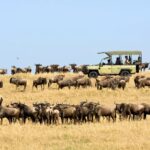
If you’re planning a safari around June or July, this is when the Great Migration June July starts to transform from calm movement into real drama. Herds concentrate, rivers rise, and predators follow. The Great Migration June July is a sight to behold, with wildlife interactions that are truly captivating. Don’t miss our insights in The Great Migration Update June July. Remember, The Great Migration Update June July provides essential information for travelers.

Here’s the latest-style update you can use (and publish) to guide travelers planning a 2026 trip.

For more details, refer to The Great Migration Update June July for the latest insights and tips.


The Great Migration Update June July offers travelers a unique perspective on wildlife behavior.

Stay tuned for The Great Migration Update June July for the most current migration patterns.

Where Is the Great Migration in June–July?

The Great Migration Update June July is essential reading for anyone interested in safari planning.

Understanding The Great Migration Update June July can enhance your safari experience.

The Great Migration Update June July: Key Insights

🐾 June: Western Corridor Movement

Experience the Great Migration June July in the Western Corridor, where wildlife viewing is at its peak.

By early–mid June, large herds move through the Western Corridor of the Serengeti National Park.

As you explore, keep in mind The Great Migration Update June July for the latest advice.

  • Herds gather along the Grumeti River
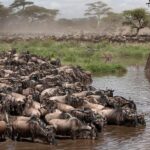
  • First river crossings may begin (less crowded than Mara crossings)
  • Predators (lions, hyenas, crocodiles) are highly active

With each visit, The Great Migration Update June July reveals new insights.

This is an underrated time—fewer vehicles, strong action.


Late June – July: Heading North

As the dry season strengthens, herds push north toward:

The Great Migration Update June July will be crucial in your safari journey.

For the most comprehensive overview, rely on The Great Migration Update June July.

In late June and July, the Great Migration June July draws larger crowds of wildlife enthusiasts eager to witness the action.

This year’s highlights can be found in The Great Migration Update June July.

This is the time when the Great Migration June July reaches its full potential in the Northern Serengeti.

The Great Migration June July is a spectacular phenomenon that attracts wildlife enthusiasts from around the globe.


July: Start of Mara River Crossings

From mid–July (timing varies each year):

  • First crossings may occur in Northern Serengeti
  • Larger crossings develop into August–September
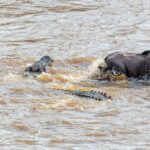
  • Crocodile encounters + chaotic herd movement

For timely updates, The Great Migration Update June July is the source to trust.

The Great Migration Update June July offers insight into the ongoing movement of wildlife.

Don’t miss out on the exciting details in The Great Migration Update June July.

Important: crossings are unpredictable—no operator can guarantee them.

As mid-July approaches, the Great Migration June July brings the excitement of river crossings that are a photographer’s dream.

During the Great Migration June July, be prepared for thrilling experiences as the herds navigate through challenging terrains.

The Great Migration June July offers incredible opportunities to see how wildlife interacts during critical moments.


To stay informed, always refer back to The Great Migration Update June July.

The Great Migration June July is marked by dramatic shifts in animal behavior as they prepare for river crossings.

Make the most of your safari with insights from The Great Migration Update June July.

Travelers can benefit from The Great Migration Update June July during their journey.

Is June or July Better?

June (Smart Traveler Choice)

The Great Migration Update June July is your guide to experiencing the wonders of wildlife.

Many travelers consider the Great Migration June July to be the ultimate safari experience.

✔ Fewer tourists
✔ Lower lodge rates (early June)
✔ Excellent predator action
✔ Grumeti crossings possible

For every safari enthusiast, The Great Migration Update June July provides invaluable insights.

Don’t forget to consult The Great Migration Update June July to maximize your experience.

Travelers will find that the Great Migration June July is the perfect backdrop for unforgettable memories.

Best for: photographers, value-focused luxury travelers


During the Great Migration June July, expect to see nature’s drama unfold before your eyes.

July (Peak Season Begins)

✔ Higher chance of Mara River activity
✔ Classic migration scenes
✔ Best-known timing globally

Whether in June or July, the Great Migration June July is a time of renewal and survival in the wild.

❗ More expensive
❗ Lodges book early

With the Great Migration June July, guests can witness the circle of life in action.

June and July are transformative months during the Great Migration June July for both animals and visitors alike.

👉 Best for: first-time safari travelers chasing iconic scenes

The Great Migration June July showcases the resilience and beauty of Africa’s wildlife.


What Wildlife Can You Expect?

During June–July, you’re not just seeing wildebeest—you’re witnessing a full ecosystem:

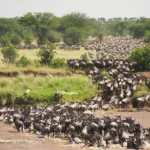
  • Massive herds of wildebeest & zebra
  • Lions hunting along migration paths
  • Hyenas and jackals following herds
  • Crocodiles waiting at river crossings
  • Cheetahs hunting in open plains

Participating in the Great Migration June July is an experience unlike any other.

This is one of the most wildlife-dense periods of the year.

Embrace the adventure that the Great Migration June July brings.

The Great Migration June July is a natural spectacle that captivates all who witness it.


Where Should You Stay?

June (Western Serengeti)

  • Grumeti / Western Corridor camps
  • Central Serengeti (Seronera) still strong

July (Migration Focus)

  • Northern Serengeti (Kogatende)
  • Mobile migration camps (best positioning)

Staying in the right area matters more than the park itself


Cost Reality (Important for Planning)

June–July is the start of high season:

  • Park fees increase (especially in Kenya)
  • Lodges raise rates
  • Flights fill up quickly

Typical range:

  • Mid-range: $350–$600 per person/day
  • Luxury: $600–$1,200+ per person/day

Every visitor should be aware of The Great Migration Update June July for planning purposes.


Important Planning Tips

  • Book 6–12 months in advance for July
  • Stay at least 3–4 nights in Serengeti
  • Don’t chase crossings—focus on overall experience
  • Consider combining with Ngorongoro Crater for guaranteed wildlife

Expert Insight (Use This for Conversion)

Many travelers think:

“I must see a river crossing”

But in reality:

June–July offers more consistent wildlife viewing than peak crossing chaos
A well-planned itinerary delivers better overall experience than chasing one moment


📞 Plan Your Migration Safari

If you’re considering travel in June or July, timing and location are everything.

👉 Speak directly with a local expert and get a tailored itinerary based on:

  • Your dates
  • Your budget
  • Current migration position

Contact us today and our safari specialists will design your African safari adventure, tailored entirely to your travel style, interests, and schedule.

Speak with our safari experts: +255 784 737 413

Chat with us instantly on WhatsApp: +255 784 737 413

Learn more about the dynamics of The Great Migration Update June July to enhance your trip.

Go where you want. Travel when you want. Experience Africa your way

Frequently Asked Questions About the Great Migration in June and July

Where is the Great Migration in June?

In June, the Great Migration is usually moving through the Western Corridor of the Serengeti, especially around the Grumeti River. This is a strong time for large herds, predator activity, and possible Grumeti River crossings.

Where is the Great Migration in July?

In July, the herds usually move north toward Northern Serengeti and the Mara River area. Early Mara River crossings may begin in July, although timing changes each year depending on rainfall and grazing conditions.

Is June a good time to see the Great Migration?

Yes. June is a very good month for the Great Migration, especially in the Western Serengeti. It often offers excellent wildlife viewing with fewer crowds than the peak river-crossing months.

Is July a good time for a Serengeti migration safari?

Yes. July is one of the best months for a Serengeti migration safari. The herds are usually moving toward Northern Serengeti, and the first Mara River crossings may begin.

Can river crossings be guaranteed in June or July?

No. River crossings cannot be guaranteed on specific dates. The Great Migration is a natural wildlife movement, and crossings depend on rainfall, grazing, herd movement, and animal behavior.

Which is better for the Great Migration, June or July?

June is better for fewer crowds, strong wildlife viewing, and possible Grumeti River crossings. July is better for travelers hoping to see early Mara River crossings and classic migration scenes in Northern Serengeti.

Where should I stay for the Great Migration in June?

Join the countless others who have marveled at the Great Migration June July.

The Great Migration June July offers a unique opportunity for connection with nature.

For June, the best areas are usually Western Serengeti, the Grumeti region, and sometimes Central Serengeti depending on herd movement.

Where should I stay for the Great Migration in July?

For July, Northern Serengeti around Kogatende is usually one of the best areas, especially for travelers hoping to see Mara River crossings.

Each journey can be enhanced with The Great Migration Update June July for the best experience.

How many nights should I spend in Serengeti for the Great Migration?

For a June or July migration safari, at least 3 to 4 nights in the Serengeti is recommended. This gives you more flexibility because herd movement and crossings are unpredictable.

How much does a June or July Great Migration safari cost?

A June or July Great Migration safari typically costs around $400–$700 per person per day for mid-range safaris and $700–$1,200+ per person per day for luxury safaris, depending on accommodation, routing, season, and internal flights.

Trust The Great Migration Update June July to guide your wildlife adventures.

💬