Amboseli Crocodile Park: A New Wildlife Experience Near Amboseli National Park
Amboseli Crocodile Park offers travellers an opportunity to see Nile crocodiles at close range while visiting southern Kenya’s famous Amboseli ecosystem.
Conveniently located approximately two kilometres from Kimana Gate on the Kimana–Amboseli Road, the park can be included before or after a game drive in Amboseli National Park. Most visitors require between 30 minutes and one hour, making it an easy addition to a Kenya safari without requiring a lengthy diversion.
The attraction combines wildlife viewing with education about Nile crocodiles, their behaviour, remarkable adaptations and importance within African freshwater ecosystems.
For families, school groups, photographers and travellers interested in learning more about reptiles, Amboseli Crocodile Park provides a different experience from a traditional game drive.
Where Is Amboseli Crocodile Park?
Amboseli Crocodile Park is situated in Kenya’s Amboseli ecosystem, approximately two kilometres from Kimana Gate.
The park is located directly beside the main Kimana–Amboseli Road, also known as the C103. Its position makes it particularly convenient for travellers entering or leaving Amboseli National Park through Kimana Gate.
Visitors do not need to make a long detour from their safari route. The crocodile park can be visited:
- Before entering Amboseli National Park
- After completing a morning or afternoon game drive
- While travelling between Kimana and Amboseli
- During a longer stay at a lodge or camp in the Amboseli area
- As part of a family or educational visit
Free parking is available for safari vehicles and self-drive visitors.
What Can You See at Amboseli Crocodile Park?
The park’s principal attraction is the Nile crocodile, one of Africa’s most powerful and fascinating reptiles.
Visitors can observe adult and young crocodiles and learn how these ancient predators survive, hunt, communicate and regulate their body temperature.
The Nile crocodile has existed in various evolutionary forms for millions of years. Its physical adaptations include strong jaws, protective scales, sensitive pressure receptors and the ability to remain almost completely submerged while observing its surroundings.
A visit provides an opportunity to look beyond the crocodile’s fearsome reputation and understand its ecological importance.
Educational Crocodile Experience
Amboseli Crocodile Park is designed as more than a place to look at crocodiles. Its educational displays and guided interpretation introduce visitors to subjects including:
- Nile crocodile biology
- Crocodile behaviour and communication
- Freshwater ecosystems
- Predator-prey relationships
- Reptile adaptations
- Biodiversity and conservation
- The importance of responsible wildlife management
This educational approach makes the park suitable for families, students and travellers who want to understand the animals they encounter during an African safari.
Baby Crocodile Encounter
A supervised baby crocodile encounter may be available during a visit.
The experience introduces visitors to the early stages of a Nile crocodile’s life under the supervision of trained park personnel.
Availability depends on the park’s operational programme and animal-welfare considerations. It should therefore not be treated as a guaranteed activity.
Visitors should ask at the ticket counter upon arrival whether the experience is available that day.
Animals should only be approached or handled when authorised and directly supervised by the park’s trained staff.
School and Educational Visits
Amboseli Crocodile Park welcomes schools, colleges, universities and organised youth groups.
Educational programmes may cover biology, reptile adaptations, freshwater habitats, biodiversity and wildlife conservation. Visual displays and guided sessions can help students connect classroom learning with direct observation.
Schools and organised groups should contact the park before travelling. Advance coordination allows the team to prepare a suitable programme and manage the group safely.
Is Amboseli Crocodile Park Suitable for Children?
The park is promoted as a family-friendly attraction and can provide children with an engaging introduction to reptiles and conservation.
Families can see crocodiles at close range, study their physical characteristics and learn why crocodiles play an important role in aquatic environments.
Children must remain under adult supervision and follow all safety instructions provided by the park’s staff.
The relatively short visiting time also makes the park suitable for families who may find a complete day of game driving tiring.
Photography at Amboseli Crocodile Park
Photography is permitted, and visitors can capture close-up images of Nile crocodiles in natural light.
The experience offers a different photographic subject from the elephants, giraffes, lions, zebras and antelopes normally associated with an Amboseli safari.
For responsible wildlife photography:
- Follow instructions from the park’s staff
- Remain within designated visitor areas
- Avoid disturbing the crocodiles
- Do not place cameras or mobile phones beyond protective barriers
- Supervise children while taking photographs
- Ask before using professional equipment, drones or photographs for commercial purposes
How Long Does a Visit Take?
Most visitors spend approximately 30 minutes to one hour at Amboseli Crocodile Park.
This makes it possible to include the attraction without sacrificing a complete safari day.
However, the best visiting time depends on your wider programme. Travellers should avoid rushing to reach an Amboseli park gate, lodge or airstrip before its required arrival time.
Your safari operator should consider park-entry hours, game-drive plans, road conditions and the location of your accommodation before adding the visit.
Amboseli Crocodile Park Opening Hours
Amboseli Crocodile Park is currently advertised as open every day from:
9:00 AM to 6:30 PM
Opening hours may change because of operational requirements, public holidays, weather conditions or animal-welfare considerations.
Visitors should confirm the current schedule directly with the park before travelling.
Amboseli Crocodile Park Entrance Fees
The park currently advertises the following entrance rates:
International visitors
- Adults aged 17 years and above: US$25
- Children aged 5–16 years: US$15
- Children under five years: Free admission
Kenyan citizens and residents
- Adults aged 17 years and above: KES1,000
- Children aged 5–16 years: KES300
- Children under five years: Free admission
Prices are subject to change. Travellers should confirm the applicable rates before their visit.
Group rates and educational arrangements may be available for schools, colleges, universities and youth organisations.
Do You Need to Reserve in Advance?
Standard visitors currently do not need to reserve admission in advance. Tickets can normally be obtained upon arrival.
Advance arrangements are recommended for:
- School groups
- University and college visits
- Large family groups
- Tour-operator groups
- Educational organisations
- Special events
- Visitors requiring a structured educational session
The baby crocodile encounter remains subject to availability and should not be assumed to be included automatically with standard admission.
Accepted Payment Methods
Amboseli Crocodile Park operates a cashless payment system.
The park currently advertises the following payment methods:
- M-PESA
- Visa
- Mastercard
- Bank transfer
- Direct bank deposit
Cash is not accepted. International visitors should carry a working payment card and advise their bank that they will be travelling in Kenya.
Because internet or payment-system interruptions can occasionally occur in remote areas, visitors may wish to contact the park before travelling to reconfirm the available payment methods.
How to Include the Crocodile Park in an Amboseli Safari
The most convenient time to visit depends on the direction of travel and the selected lodge.
Before entering Amboseli
Travellers approaching through Kimana can stop at the crocodile park before entering Amboseli National Park through Kimana Gate.
This may work well when arrival time allows visitors to spend approximately one hour at the attraction without reducing their planned afternoon game drive.
After an Amboseli game drive
The park can also be visited after leaving Amboseli through Kimana Gate, provided the game drive finishes early enough to arrive before closing time.
This arrangement offers a relaxed conclusion to the day and introduces travellers to a species that is not a regular feature of most Amboseli game drives.
During a two-night Amboseli stay
Travellers staying for two or more nights may include the crocodile park between scheduled game drives. This avoids placing additional pressure on an arrival or departure day.
Nature Bound Africa will consider lodge location, park-gate timings and the overall route before recommending the best time for the visit.
What Else Can You Experience Around Amboseli?
Amboseli Crocodile Park is best combined with a broader Amboseli safari.
Depending on available time, interests and operating conditions, an Amboseli itinerary may include:
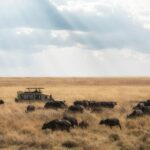
- Morning and afternoon game drives
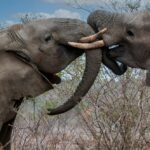
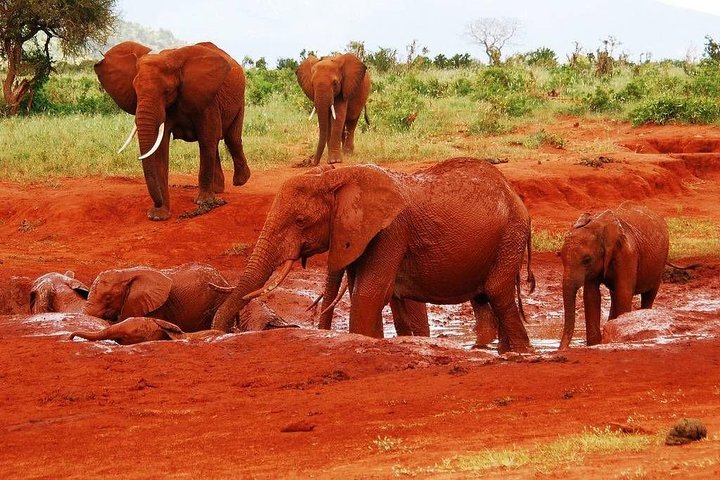
- Elephant viewing
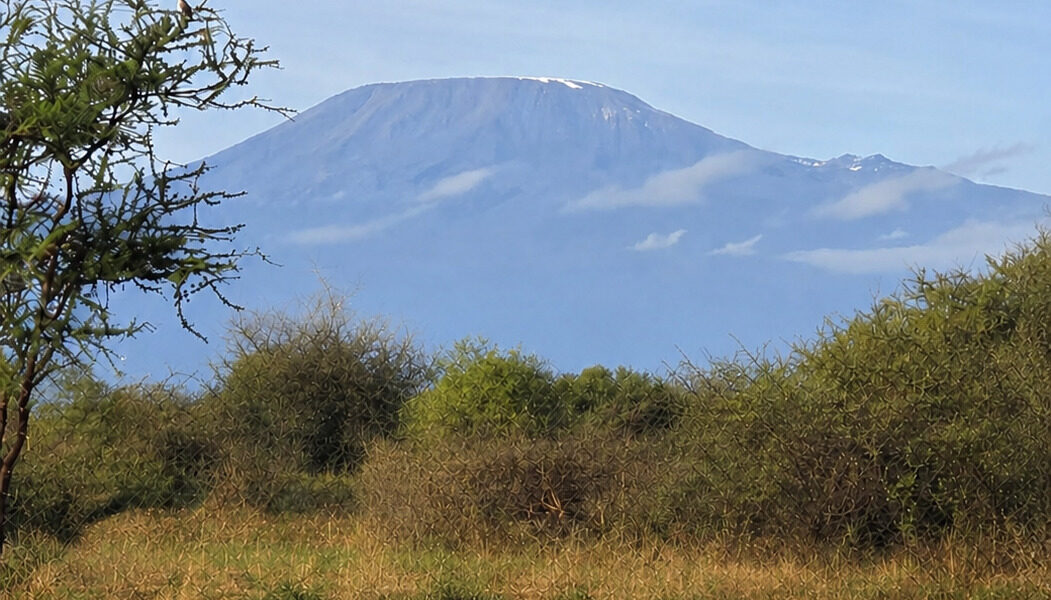
- Views of Mount Kilimanjaro when the mountain is visible
- Birdwatching around Amboseli’s wetlands
- Observation Hill
- Visits to community and cultural projects
- Photography-focused game drives
- Visits to neighbouring conservancies
- A stop at Amboseli Crocodile Park
Activities outside Amboseli National Park may require separate entrance fees and advance arrangements.
Best Time to Visit
Amboseli Crocodile Park can be visited throughout the year, subject to its operating schedule.
The broader Amboseli safari experience changes with the seasons.
The drier months generally make wildlife easier to locate around permanent water sources. During greener periods, visitors may experience dramatic skies, fresh landscapes and rewarding birdlife.
Mount Kilimanjaro is not visible continuously. Clouds can cover the mountain at any time of year, although early mornings and late afternoons may provide better viewing opportunities.
Crocodile activity can also vary according to temperature, weather and feeding schedules. Wildlife behaviour can never be guaranteed.
Responsible Visiting Guidelines
Visitors should follow all instructions provided by the park’s staff.
Important guidelines include:
- Never cross barriers or enter restricted areas
- Do not feed the crocodiles
- Do not touch an animal unless specifically authorised and supervised
- Keep children under close supervision
- Avoid shouting or deliberately disturbing the animals
- Do not throw objects into enclosures
- Use designated paths and viewing areas
- Dispose of waste responsibly
- Ask permission before using drones or commercial photography equipment
Responsible behaviour protects visitors, staff and animals.
Planning Your Visit with Nature Bound Africa
Nature Bound Africa can include Amboseli Crocodile Park in a privately designed Kenya safari.
The attraction works particularly well within itineraries combining Amboseli with destinations such as:
- Tsavo East National Park
- Tsavo West National Park
- Nairobi
- Lake Naivasha
- Lake Nakuru National Park
- Samburu National Reserve
- Ol Pejeta Conservancy
- Masai Mara National Reserve
When preparing the itinerary, we will consider travelling time, lodge location, park-entry arrangements and the amount of game-viewing time available.
Entrance fees for Amboseli Crocodile Park should be listed separately unless expressly included in the safari quotation.
Frequently Asked Questions
Where is Amboseli Crocodile Park located?
It is approximately two kilometres from Kimana Gate on the main Kimana–Amboseli Road, C103, in southern Kenya.
Is it inside Amboseli National Park?
It is located near Kimana Gate in the wider Amboseli ecosystem. Visitors should not assume that an Amboseli National Park ticket includes entrance to the crocodile park.
How long should I allow for a visit?
Most visitors spend between 30 minutes and one hour.
Do I need to book in advance?
Standard visitors generally do not need advance reservations. Schools, universities, youth organisations and large groups should contact the park beforehand.
Is the park suitable for children?
It is promoted as a family-friendly attraction. Children must remain under adult supervision and follow all staff safety instructions.
Can visitors see baby crocodiles?
Young crocodiles can be observed, and a supervised baby crocodile encounter may be offered. Availability depends on operational schedules and animal-welfare considerations.
Is photography permitted?
Yes, personal photography is permitted, subject to park rules. Professional photography and drone use should be approved in advance.
Can I pay the entrance fee in cash?
No. The park advertises a fully cashless system accepting M-PESA, Visa, Mastercard, bank transfers and direct deposits.
What are the opening hours?
The currently advertised opening hours are 9:00 AM–6:30 PM daily. Visitors should reconfirm before travelling.
Can Nature Bound Africa add the visit to my safari?
Yes. Nature Bound Africa can incorporate the crocodile park into a private Amboseli or extended Kenya itinerary when the route and timings allow.
Plan Your Amboseli Safari
Would you like to combine Amboseli Crocodile Park with elephants, spectacular landscapes and a privately guided safari in Amboseli National Park?
Nature Bound Africa creates tailor-made Kenya safaris for couples, families, private groups and photographers.
Contact our safari specialists to design an itinerary around your preferred dates, accommodation style and budget.
Email: info@natureboundafrica.com
Website: www.natureboundafrica.com