Menu
Rwanda Gorilla Trekking & Luxury Safari Tours (2026) | Cost & Permits

Rwanda Gorilla Trekking & Luxury Safari Tours (2026) | Cost & Permits


Rwanda is one of Africa’s most exclusive and well-organized destinations for gorilla trekking.

Rwanda Gorilla Trekking & Luxury Safari Tours offer an unparalleled encounter with nature, showcasing the incredible wildlife.

When planning your visit, consider incorporating Rwanda Gorilla Trekking & Luxury Safari Tours into your itinerary for a complete experience.

Participating in Rwanda Gorilla Trekking & Luxury Safari Tours allows you to connect deeply with the local environment.

The variety of ecosystems you can explore highlights the richness of Rwanda Gorilla Trekking & Luxury Safari Tours.

Make sure to experience Rwanda Gorilla Trekking & Luxury Safari Tours for a journey that exceeds expectations.

Travelers rave about Rwanda Gorilla Trekking & Luxury Safari Tours as one of the best experiences in Africa.

You will find that Rwanda Gorilla Trekking & Luxury Safari Tours provide exceptional wildlife viewing opportunities.

Rwanda’s breathtaking landscapes and rich biodiversity make it a unique destination for nature lovers. The country is home to several national parks, each offering diverse wildlife and stunning scenery. From the rolling hills of the countryside to the lush rainforests, every corner of Rwanda has something to offer.

In addition to gorilla trekking, visitors can explore Nyungwe Forest National Park, which is famous for its chimpanzee tracking and scenic hiking trails. The park is renowned for its biodiversity, housing various primate species and a multitude of bird species, making it a paradise for birdwatchers.

Furthermore, Akagera National Park offers a different experience with its savannah landscape, where you can witness the Big Five — lions, elephants, leopards, buffaloes, and rhinoceroses. This contrast between the mountainous terrain of Volcanoes National Park and the flat savannah of Akagera allows travelers to experience a wide range of ecosystems within a short time.

Many travelers choose Rwanda Gorilla Trekking & Luxury Safari Tours for an unforgettable experience.

With easy access, high-end lodges, and well-managed parks, Rwanda offers a premium safari experience ideal for travelers seeking comfort and efficiency.

Engaging in Rwanda Gorilla Trekking & Luxury Safari Tours is a transformative journey for many travelers.

For travelers interested in experiencing the best of Africa, the combination of Rwanda Gorilla Trekking & Luxury Safari Tours is unmatched.

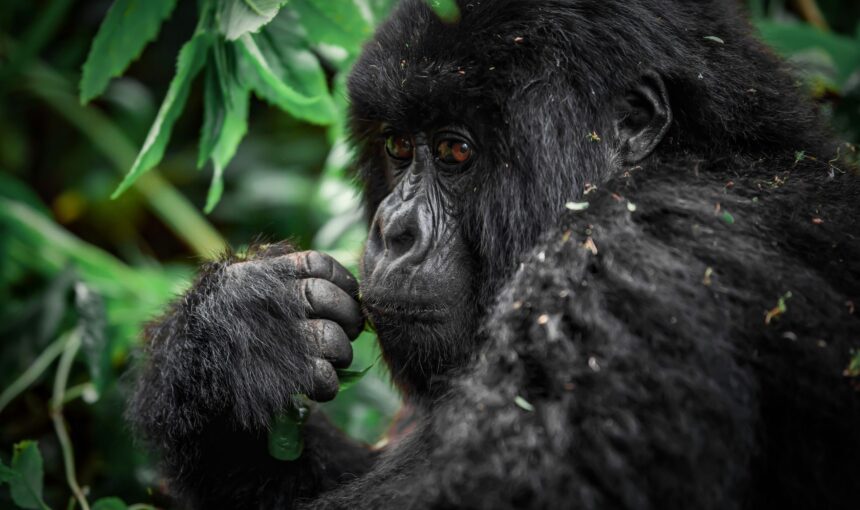
The main destination for gorilla trekking is Volcanoes National Park.

✔ Short travel time from Kigali to the park (2–3 hours)
✔ High-end lodges and premium safari experience
✔ Well-maintained trekking infrastructure
✔ Ideal for short trips (3–5 days)
✔ Highly trained guides ensure safety and informative tours, enriching your trekking experience.


Why Choose Rwanda for Gorilla Trekking & Luxury Safari Tours?

Rwanda Gorilla Trekking & Luxury Safari Tours provide a unique opportunity to see rare wildlife.

Rwanda is known for its luxury and convenience as a top-tier safari destination. The efficiency of its tourism infrastructure enhances visitors’ experiences.

In addition to the permit cost, travelers should budget for accommodation, meals, and additional activities. Luxury lodges offer unique experiences, including spa treatments, guided nature walks, and cultural interactions with local communities.

Enhance your adventure with the luxury of Rwanda Gorilla Trekking & Luxury Safari Tours.

Rwanda is known for its luxury and convenience.

✔ Short travel time from Kigali to the park (2–3 hours)
✔ High-end lodges and premium safari experience
✔ Well-maintained trekking infrastructure
✔ Ideal for short trips (3–5 days)


Gorilla Trekking Cost in Rwanda (2026)

Rwanda Gorilla Trekking & Luxury Safari Tours connect you with Africa’s majestic wildlife.

Rwanda positions itself as a premium destination for wildlife enthusiasts, particularly for those seeking unforgettable experiences in nature.

Rwanda positions itself as a premium destination.

You can expect an enriching experience through Rwanda Gorilla Trekking & Luxury Safari Tours.

Permit Price:

  • Gorilla Trekking Permit: ~$1,500 per person

👉 Includes:

  • Park entry
  • Guided trekking
  • 1 hour with gorillas

Furthermore, booking a gorilla trekking experience not only grants you the chance to observe these incredible animals in their natural habitat but also supports local communities and conservation initiatives. A portion of the permit fee goes directly towards wildlife protection and community development.

This is significantly higher than Uganda, but reflects Rwanda’s luxury positioning in the safari market. The additional cost also contributes to the conservation efforts that protect these magnificent creatures.


What to Expect During Gorilla Trekking

  • Trek duration: 1 to 3 hours (generally shorter than Uganda)
  • Terrain: Mountain forest, but more accessible
  • Experience: Close, well-managed encounters

Rwanda is known for a more structured and predictable experience.


Expect a variety of trekking experiences, as some groups may encounter the gorillas within a shorter time while others may trek longer distances. Guides will provide insights into the gorillas’ behavior, their social structures, and the efforts taken to protect them.

Best Time to Visit Rwanda

Best Time to Visit Rwanda

The ideal time for gorilla trekking aligns with the dry seasons, ensuring you enjoy optimal trekking conditions and visibility.

  • June to September
  • December to February

Traveling during the dry months not only improves your trekking experience but also increases the likelihood of more wildlife sightings across various parks. However, the lush green scenery during the rainy season can provide a different, yet equally captivating experience.

These offer dry conditions and better trekking.


It’s also worth considering that during the peak tourist seasons, accommodations can fill up quickly, so early planning is advisable to secure your desired lodgings and experiences.

👉 Consider adding extra days to your itinerary to explore the cultural heritage of Rwanda, including visiting the Kigali Genocide Memorial and engaging with local artisans, which provides a deeper understanding of the country’s history and resilience.

Suggested 3–5 Day Rwanda Itinerary

Day 1: Arrival in Kigali
Day 2: Transfer to Volcanoes National Park
Day 3: Gorilla trekking
Day 4: Optional second trek or cultural tour
Day 5: Departure

Both Uganda and Rwanda have unique offerings; Uganda boasts diverse landscapes and offers more adventurous trekking experiences, while Rwanda emphasizes luxury and convenience with its premium lodges and shorter travel times to the parks.

👉 Perfect for short, high-end trips


Uganda vs Rwanda: Which is Better?

Deciding between the two countries can depend on personal preferences and what kind of experience you seek.

👉 Choose Uganda if:

Ultimately, both countries provide opportunities to see the magnificent mountain gorillas, and your choice should align with your travel preferences and desires for adventure or relaxation.

  • You want lower permit cost
  • You prefer a more adventurous experience

👉 Choose Rwanda if:

  • You want luxury and comfort
  • You have limited time
  • You prefer easier logistics

Consider your travel goals — whether you’re looking for a quick getaway to indulge in high-end accommodations and seamless logistics in Rwanda or seeking an in-depth exploration of the rugged terrains and varied wildlife in Uganda.


Can You Combine Rwanda with Tanzania or Kenya?

Can You Combine Rwanda with Tanzania or Kenya?

Absolutely! Combining Rwanda with neighboring countries enriches your safari experience.

Depending on your itinerary, you can explore the Serengeti in Tanzania or the Maasai Mara in Kenya, both known for their incredible wildlife and scenic landscapes. This combination allows for a well-rounded safari, showcasing the best of East Africa.

  • Tanzania safaris
  • Kenya safaris

Plan for a minimum of 8–12 days to fully immerse yourself in the beauty of these countries, allowing ample time for travel and exploration.

In conclusion, if you are seeking a combination of adventure, luxury, and a deeper connection to nature, Rwanda Gorilla Trekking & Luxury Safari Tours should be at the top of your travel list.

With its commitment to conservation, impressive wildlife experiences, and rich cultural heritage, Rwanda offers not just a safari, but a journey into the heart of Africa’s natural beauty.

👉 Ideal total duration: 8–12 days


Rwanda Gorilla Trekking & Luxury Safari Tours provide a perfect blend of adventure and relaxation.

Don’t miss the chance to join Rwanda Gorilla Trekking & Luxury Safari Tours for an incredible journey.

What to Expect During Gorilla Trekking

During your adventure, be prepared for an exhilarating and transformative experience as you connect with nature and witness the beauty of the gorillas up close.

For those seeking luxury, Rwanda Gorilla Trekking & Luxury Safari Tours are unparalleled.

Your adventure with Rwanda Gorilla Trekking & Luxury Safari Tours will be unforgettable.

With Rwanda Gorilla Trekking & Luxury Safari Tours, every moment is a new discovery.

Yes — especially for travelers seeking:

Rwanda Gorilla Trekking & Luxury Safari Tours represent the pinnacle of safari experiences.

As a traveler, you will leave inspired and enriched, having contributed to the preservation of one of the world’s most remarkable ecosystems.

As you plan your journey, remember that every aspect, from the trekking permits to your choice of lodgings, plays a role in your overall experience. Tailor your trip to suit your needs and preferences, ensuring a memorable adventure in Rwanda.

👉 For personalized assistance, reach out to our team of experts who can craft a unique itinerary that meets your interests and desires.

Experience the best of Africa with Rwanda Gorilla Trekking & Luxury Safari Tours.

  • A premium safari experience
  • Short but impactful trips
  • High-end lodges and service

Plan Your Rwanda Gorilla Safari

We help you plan a seamless and high-quality gorilla trekking experience in Rwanda.

👉 Chat with a Safari Expert on WhatsApp:
https://wa.me/+255784737413

📩 Email: info@natureboundafrica.com

Book your journey now for Rwanda Gorilla Trekking & Luxury Safari Tours and immerse yourself in nature.

✔ Luxury-focused itineraries
✔ Fast responses
✔ Expert local planning


The adventure of a lifetime awaits with Rwanda Gorilla Trekking & Luxury Safari Tours.

Frequently Asked Questions About Rwanda Safaris

Why is Rwanda more expensive than Uganda?
Rwanda positions itself as a luxury destination with higher permit costs and premium lodges.

How many days do I need in Rwanda?
3–5 days is enough for a gorilla trekking trip.

Is Rwanda safe for travel?
Yes, Rwanda is considered one of the safest countries in Africa.Discover the Ultimate Solo Safari ExperienceA Guide to Tanzania and Zanzibar HolidayEssential Sustainable Travel & Luxury Packing ListDiscover the Ultimate Solo Safari Experience

Uganda Gorilla Trekking & Safari Tours (2026 Guide)

Uganda Gorilla Trekking & Safari Tours (2026 Guide)

Uganda is one of the best destinations in Africa for gorilla trekking — offering a raw, authentic, and less crowded safari experience. The uganda gorilla trekking safari is a highlight for many travelers.

For many travelers, an uganda gorilla trekking safari is the pinnacle of their journey.

In addition to the breathtaking scenery, Uganda’s rich biodiversity makes it a paradise for nature enthusiasts. The country is home to over 1,000 species of birds, making it a prime location for birdwatching. The vibrant colors and unique calls of these birds enhance the trekking experience as you move through lush landscapes.

While trekking, you may also encounter various other primates, such as golden monkeys and chimpanzees, which add to the thrill of the experience. The guides are knowledgeable about the ecosystem, providing insights that enrich your understanding of these fascinating creatures.

Each uganda gorilla trekking safari offers a unique opportunity to connect with wildlife.

The journey to Bwindi Impenetrable Forest is an adventure in itself. The drive through scenic landscapes, past traditional Ugandan villages where you can observe local life, is a great prelude to the gorilla trekking experience.

Tracking mountain gorillas in the wild is a once-in-a-lifetime experience, and Uganda offers some of the most accessible and rewarding encounters in East Africa.

Most safaris focus on the famous Bwindi Impenetrable Forest, combined with classic wildlife viewing in Queen Elizabeth National Park.


Experiencing an uganda gorilla trekking safari also enhances your understanding of wildlife conservation.

Many prefer an uganda gorilla trekking safari due to its affordability and unique experiences.

Why Choose Uganda for Gorilla Trekking?

Uganda offers a unique safari experience that stands out not only for its gorilla trekking but also for its incredible wildlife diversity. With over 350 species of mammals and a range of ecosystems, each safari here can reveal something new. You can explore the vast savannahs of Queen Elizabeth National Park, where elephants, lions, and hippos roam freely, enriching the overall adventure.

Additionally, participating in an uganda gorilla trekking safari allows you to immerse yourself fully in the beauty of Uganda’s wildlife.

During your uganda gorilla trekking safari, you may also see other wildlife.

Don’t miss the chance to take stunning photos during your uganda gorilla trekking safari.

✔ More affordable gorilla permits compared to Rwanda
✔ Less crowded trekking experience
✔ Strong combination of primates + classic safari wildlife
✔ Diverse landscapes — forests, savannah, lakes

If you’re looking for a more adventurous and authentic experience, Uganda is an excellent choice. The blend of cultural immersion, wildlife viewing, and breathtaking scenery makes it a standout destination for avid travelers.


Gorilla Trekking in Uganda: Cost & Permits (2026)

Gorilla trekking permits are required and must be booked in advance to secure your spot. It’s advisable to check availability early, as these permits can sell out quickly, especially during peak seasons. The fees collected from the permits go directly towards conservation efforts, ensuring the ongoing protection of these magnificent creatures and their habitats.

  • Premium Gorilla Trekking Permit: ~$1,200 per person (includes luxury accommodations and additional perks)
  • Permit Prices:

    Choosing the Gorilla Habituation Experience allows you to be part of the important conservation work and observe gorillas as they interact with researchers, providing a unique educational perspective.

    • Standard Gorilla Trekking Permit: ~$800 per person
    • Gorilla Habituation Experience (extended time): ~$1,500 per person

    👉 The standard trek allows you to spend 1 hour with the gorillas
    👉 Habituation allows up to 4 hours with researchers

    During the trek, expect to engage with local communities as well. Many lodges near the trekking areas provide opportunities for cultural exchanges, where you can learn about the traditions and lifestyles of the Bakiga and Batwa people, enhancing your Ugandan adventure.

    These permits are issued by the Uganda Wildlife Authority and availability is limited.


    What to Expect During Gorilla Trekking

    Gorilla trekking takes place in dense rainforest terrain.

    • Trek duration: 1 to 4 hours (sometimes longer)
    • Terrain: Steep, muddy, and physically demanding
    • Reward: Close-up encounter with a gorilla family

    You will be guided by experienced trackers who locate the gorillas and ensure a safe, respectful experience.


    Unlike the busier trails in Rwanda, Uganda’s paths offer a more tranquil setting, allowing you to connect deeply with nature and enjoy the sounds and sights around you.

    The best times to visit Uganda coincide with the wildlife migration patterns, ensuring that your safari experience is filled with exceptional wildlife viewings, including the Great Migration in nearby countries.

    Best Time to Visit Uganda

    Uganda is a year-round destination, but the best times are:

    • June to September (dry season)
    • December to February

    These months offer easier trekking conditions and better wildlife viewing.


    Including a visit to the Murchison Falls National Park in your itinerary can further enhance your Uganda safari experience. The park is famous for its stunning waterfalls and diverse wildlife, including the chance to see the ‘big five’.

    Day 7: Murchison Falls exploration and wildlife viewing
    Day 8: Relaxation at the lodge and cultural visits
    Day 9: Departure

    Suggested 6–7 Day Uganda Safari Itinerary

    Day 1: Arrival in Entebbe
    Day 2: Transfer to Bwindi Impenetrable Forest
    Day 3: Gorilla trekking experience
    Day 4: Transfer to Queen Elizabeth National Park
    Day 5: Game drives + boat safari on Kazinga Channel
    Day 6: Return to Entebbe
    Day 7: Departure

    Adding a day or two for relaxation at stunning lodges that offer spa services can also be a great way to unwind after your trekking adventures.

    👉 This is the most popular Uganda safari route


    Can You Combine Uganda with Tanzania or Kenya?

    Yes — many travelers combine gorilla trekking with a classic safari.

    Popular combinations:

    Be sure to pack appropriately for the variable weather conditions. Lightweight, moisture-wicking clothing and waterproof gear will make your trekking experience more comfortable.

    • Tanzania (Serengeti + Ngorongoro) + Uganda
    • Kenya (Masai Mara) + Uganda

    👉 Recommended trip length: 10–14 days

    This allows you to experience both Big Five safari + gorilla trekking

    For those interested in responsible tourism, consider supporting local initiatives. Many lodges and tours are committed to sustainability, providing a positive impact on the communities and environments they operate in.

    Will I have access to medical facilities if needed?
    It’s advisable to have travel insurance that covers medical emergencies, and being informed about the nearest medical facilities is essential.


    Finally, as you finalize your plans, remember that the memories made during your uganda gorilla trekking safari will last a lifetime, connecting you deeply to the majestic wildlife and the beautiful landscapes of Uganda.

    Is Uganda Worth It for Safari?

    Overall, your trip to Uganda will be nothing short of extraordinary, encapsulating the essence of adventure and the incredible power of nature. Don’t forget to include the experiences that make Uganda unique, enriching your journey even further.

    Yes — especially if gorilla trekking is on your list.

    Each moment of your uganda gorilla trekking safari will create lasting memories.

    Uganda offers:

    • One of the best gorilla experiences in the world
    • Unique primate encounters
    • A more off-the-beaten-path safari

    Documenting your journey through an uganda gorilla trekking safari is encouraged.

    It’s ideal for travelers who want something beyond the typical safari.


    Incorporating a volunteer experience or conservation activity into your trip can provide a fulfilling addition to your adventure and enhance your understanding of Ugandan wildlife.

    As you plan your trip, don’t forget to explore the various accommodations available, from luxury lodges to budget-friendly options, catering to all types of travelers.

    Plan Your Uganda Gorilla Safari

    Gorilla permits are limited and sell out quickly — especially during peak seasons.

    How do I choose a reputable tour operator?
    Research online reviews, consult with fellow travelers, and ensure the operator is licensed and follows ethical practices.

    Contributing to conservation efforts during your uganda gorilla trekking safari is rewarding.

    We’ll help you:

    • Secure permits
    • Plan the best route
    • Combine Uganda with Tanzania or Kenya if needed

    👉 Chat with a Safari Expert on WhatsApp:
    https://wa.me/+255784737413

    📩 Email: info@natureboundafrica.com

    ✔ Fast replies
    ✔ Transparent pricing
    ✔ Custom itineraries

    Consulting with a travel expert can also streamline the planning process, ensuring you have a well-rounded and enriching experience during your visit.


    Frequently Asked Questions About Uganda Gorilla Trekking Safari

    What should I know about the local culture?
    Familiarizing yourself with Ugandan customs, including greetings and local traditions, can enhance your interactions with local communities.

    What is the best way to prepare for gorilla trekking?
    It’s recommended to engage in physical training beforehand, including hiking and endurance exercises, to ensure you are well-prepared for the trek.

    How much does a Uganda safari cost?
    A 5–7 day Uganda safari typically costs between $2,500 and $5,000 per person, depending on accommodation and season.

    Explore various options for your uganda gorilla trekking safari.

    Expect to be amazed by the wildlife during your uganda gorilla trekking safari.

    Is Uganda safe for safari?
    Yes, Uganda is generally safe for tourism, especially in established safari areas.

    Can I take photos during the trek?
    Yes, photography is allowed, but ensure you do so respectfully, maintaining a safe distance from the gorillas to avoid disturbing them.

    How difficult is gorilla trekking?
    It can be physically demanding, but most people with moderate fitness can complete it.

    How far in advance should I book gorilla permits?
    At least 3–6 months in advance, especially for peak season.

    Understanding the local culture complements the uganda gorilla trekking safari experience.

    Prepare for diverse wildlife encounters on your uganda gorilla trekking safari.

    Planning is crucial for a successful uganda gorilla trekking safari adventure.

    Engaging in an uganda gorilla trekking safari ensures memorable encounters.

    Always respect the guidelines during your uganda gorilla trekking safari.

    Consider your health and safety during the uganda gorilla trekking safari.

    Physical fitness will enhance your uganda gorilla trekking safari experience.

    Travel insurance is advisable for your uganda gorilla trekking safari.

    Tanzania vs Kenya Safari: Which is Better for Your Trip?

    Tanzania vs Kenya Safari: Which is Better for Your Trip?

    If you’re planning your first African safari, one of the biggest questions is:

    Should you choose Tanzania or Kenya?

    Both countries offer world-class wildlife, iconic landscapes, and unforgettable safari experiences — but they differ in cost, style, logistics, and overall experience.

    This guide breaks it down clearly so you can choose the right safari for your trip.


    Tanzania vs Kenya Safari: Quick Comparison

    FeatureTanzania SafariKenya Safari
    Best ForFirst-time safari, longer tripsShorter trips, easy access
    WildlifeVery high densityHigh density
    Great MigrationYear-round in Serengeti National ParkRiver crossings in Masai Mara National Reserve
    CostBetter value overallSlightly higher in key parks
    Travel StyleMore remote, immersiveMore developed tourism
    Roads vs FlightsMostly road-basedOften includes flights
    CrowdsLower (except Serengeti peak)Higher in Masai Mara

    Wildlife Experience: Tanzania vs Kenya

    Both Tanzania and Kenya are part of the same ecosystem and offer incredible wildlife viewing.

    Tanzania

    • Larger parks and more space
    • Less crowded game viewing
    • Strong Big Five sightings
    • Excellent for longer safaris

    Kenya

    • Dense wildlife in smaller areas
    • Easier to access from Nairobi
    • Strong predator sightings
    • Great for shorter trips

    👉 Overall:

    • Tanzania = more immersive experience
    • Kenya = more accessible experience

    The Great Migration: Where Should You Go?

    The Great Migration moves between Tanzania and Kenya throughout the year.

    • Tanzania (Serengeti): Migration present most of the year
    • Kenya (Masai Mara): Famous river crossings (Aug–Oct)

    If your goal is:

    • River crossings → Kenya
    • Full migration cycle → Tanzania

    Cost Comparison: Tanzania vs Kenya Safari

    Safari costs vary, but here’s a realistic comparison:

    Safari TypeTanzaniaKenya
    Mid-range (5–7 days)$2,000 – $3,500$2,500 – $4,000
    Luxury$4,000 – $7,000+$4,500 – $8,000+

    Why Tanzania can be cheaper:

    • Road-based itineraries reduce flight costs
    • Larger park system allows better route planning

    Why Kenya can be more expensive:

    • Higher park fees in some areas
    • Premium pricing in Masai Mara

    Travel Style & Experience

    Tanzania Safari Style

    • Longer driving routes
    • Remote lodges and camps
    • Fewer crowds outside peak areas
    • More “wild” and authentic feel

    Kenya Safari Style

    • Easier logistics (Nairobi hub)
    • More fly-in safaris
    • More structured tourism
    • Ideal for shorter itineraries

    Which Is Better for First-Time Safari Travelers?

    👉 Tanzania is often the better choice if:

    • You want a classic safari experience
    • You have 6–10 days
    • You want better overall value
    • You prefer fewer crowds

    👉 Kenya is a great choice if:

    • You have limited time (4–6 days)
    • You want easy access via Nairobi
    • You specifically want Masai Mara river crossings

    Can You Combine Tanzania and Kenya?

    Yes — many travelers combine both.

    However:

    • Requires more time (10–14 days recommended)
    • Increases cost (flights or border logistics)

    👉 For shorter trips, focusing on one country usually gives a better experience.


    So… Tanzania or Kenya?

    There is no “wrong” choice — but there is a better choice for your situation.

    👉 Choose Tanzania for:

    • Value + longer safaris
    • More immersive wildlife experience
    • Serengeti-based itineraries

    👉 Choose Kenya for:

    • Shorter trips
    • Easy logistics
    • Masai Mara river crossings

    Not Sure Which Safari Is Right for You?

    Choosing between Tanzania and Kenya can be confusing — especially when prices, routes, and experiences vary so much.

    We’ll help you compare options and design a safari that fits your budget, timeline, and travel style — with clear, honest advice.

    👉 Chat with a Safari Expert on WhatsApp:
    https://wa.me/+255784737413

    📩 Email: info@natureboundafrica.com

    ✔ Custom Tanzania & Kenya itineraries
    ✔ Fast responses (usually within a few hours)
    ✔ Transparent pricing — no hidden costs


    Frequently Asked Questions

    Is Tanzania better than Kenya for safari?
    Tanzania is often better for longer, more immersive safaris, while Kenya is ideal for shorter trips and easier logistics.

    Which is cheaper, Tanzania or Kenya?
    Tanzania generally offers better value, especially for road-based safaris, while Kenya can be slightly more expensive in premium areas.

    Where is the best place to see the Great Migration?
    The Serengeti offers year-round migration, while the Masai Mara is best for river crossings.

    Is Kenya or Tanzania better for first-time safari?
    Tanzania is often preferred for a classic safari experience, while Kenya is better for shorter visits.

    Why Plan Your Safari with Nature Bound Africa?

    Why Plan Your Safari with Nature Bound Africa?

    Booking a safari from overseas can feel risky — especially when comparing many companies, prices, and itineraries. That’s why we focus on clear communication, honest advice, and transparent planning from the very beginning.

    With Nature Bound Africa, you speak directly with a local safari specialist who understands the parks, lodges, routes, seasons, and real costs on the ground.

    Local Tanzania-based expertise
    We plan safaris from the ground, not from a distant office.

    Direct communication — no middlemen
    You speak with the team designing your trip.

    Clear pricing with no hidden surprises
    We explain what is included, what is optional, and what affects the final cost.

    Custom safaris for your budget and travel style
    Whether you prefer mid-range, semi-luxury, or luxury lodges, we help you choose the right balance.

    Fast replies by WhatsApp and email
    Get quick answers before making a decision.

    Responsible safari planning
    We support locally guided travel, community-based tourism, and eco-conscious accommodations where possible.

    Ready to Start Planning?

    Tell us your travel dates, number of travelers, preferred safari style, and budget range — and we’ll help design a clear, realistic itinerary.

     Start planning on WhatsApp: https://wa.me/+255784737413

    Get Your Custom Safari Quote Today

    Tanzania and Kenya Safari Cost FAQs (2026 Guide)

    Planning a safari in East Africa comes with many questions — especially when comparing Tanzania and Kenya.

    This guide answers the most common questions about safari costs, budgeting, and what to expect when traveling to destinations like Serengeti National Park and Masai Mara National Reserve.


    How much does a safari in Tanzania or Kenya cost?

    A typical safari in Tanzania or Kenya costs between:

    👉 $2,000 and $5,500 per person for 5–7 days

    This depends on:

    • Accommodation level (mid-range vs luxury)
    • Travel season (low vs peak season)
    • Parks visited
    • Private vs shared safari

    Luxury safaris can exceed $6,000+ per person, especially during peak migration months.


    Is Tanzania or Kenya more expensive for safari?

    In general:

    • Tanzania can offer better value for longer safaris (road-based Northern Circuit)
    • Kenya can sometimes be slightly more expensive due to higher park fees and lodge pricing in premium areas

    However, pricing varies depending on itinerary design and travel season.


    What is included in a safari package?

    Most safari packages in both countries include:

    • Accommodation (lodges or tented camps)
    • Meals (full board)
    • Park entry fees
    • Private 4×4 safari vehicle
    • Professional driver-guide
    • Game drives

    Usually not included:

    • International flights
    • Tips
    • Visa fees
    • Optional activities

    Is it cheaper to do a group safari or private safari?

    • Group safaris: Lower cost, fixed schedule
    • Private safaris: Higher cost, flexible itinerary

    Most travelers from the US prefer private safaris for comfort, flexibility, and a better experience.


    What is the difference between Serengeti and Masai Mara costs?

    Both ecosystems offer incredible wildlife, but:

    • Serengeti National Park is larger and often requires longer stays (higher total cost but more variety)
    • Masai Mara National Reserve has higher park fees and can be more expensive per day

    Both are part of the same ecosystem and host the Great Migration.


    When is the cheapest time to go on safari?

    The most affordable months are:

    • March to May (long rains)
    • November (short rains)

    Prices are lower, but wildlife viewing can be less predictable.


    When is the best time to see the Great Migration?

    The migration moves year-round across Tanzania and Kenya:

    • January–March: Calving season (Southern Serengeti)
    • June–July: Western Serengeti
    • August–October: River crossings (Serengeti & Masai Mara)

    This is peak season — prices are highest during these months.


    Are safaris in Tanzania and Kenya all-inclusive?

    Safari packages are often described as “all-inclusive,” but typically exclude:

    • Tips
    • Visa fees
    • Flights
    • Optional activities

    Always check what’s included before booking.


    How much should I budget for tips?

    Recommended tipping:

    • Guide: $10–$20 per person per day
    • Lodge staff: $10–$15 per person per day

    Tipping is expected and usually paid in cash.


    How much cash should I bring on safari?

    A good guideline is:

    👉 $300 to $500 per person for a 7-day safari

    You’ll need cash for:

    • Tips
    • Souvenirs
    • Small personal expenses

    Bring newer US dollar bills and some local currency.


    Is a hot air balloon safari worth it?

    Yes — it’s one of the most unique safari experiences in East Africa.

    • Cost: around $500–$600 per person
    • Location: Serengeti or Masai Mara
    • Includes sunrise flight + bush breakfast

    Can I combine Tanzania and Kenya in one safari?

    Yes — many travelers combine both countries.

    However:

    • It increases cost (flights or border transfers)
    • Requires more time (10–14 days recommended)

    For shorter trips, focusing on one country often gives better value.


    Is a safari worth the cost?

    Yes — for most travelers, a safari is a once-in-a-lifetime experience.

    You get:

    • Close wildlife encounters
    • Access to world-famous parks
    • A fully guided and immersive journey

    The key is choosing the right itinerary and a trusted local operator.


    Not Sure Which Safari Fits Your Budget?

    Comparing Tanzania and Kenya can be confusing — especially with different routes, prices, and experiences.

    We’ll help you design a safari that fits your budget, travel style, and expectations — with clear pricing and honest advice.

    👉 Chat with a Safari Expert on WhatsApp:
    https://wa.me/+255784737413

    📩 Email: info@natureboundafrica.com

    Serengeti Great Migration Calendar (2026): Month-by-Month Guide

    Serengeti Great Migration Calendar (2026): Month-by-Month Guide


    January — Calving Season Begins

    Serengeti Migration  january calving season begins

    Great Migration January: Calving Season in Serengeti

    • Location: Southern Serengeti / Ndutu
    • Thousands of calves born daily
    • High predator action

    photographers, wildlife lovers


    February — Peak Calving Season

    Serengeti Migration february peak calving season
    • Peak births
    • Massive predator activity
    • Best for dramatic wildlife scenes

    March — Movement Begins

    Serengeti Migration march movement begins
    • Herds begin moving
    • Lush green landscapes
    • Fewer tourists

    April — Low Season (Hidden Gem)

    Serengeti Migration April low season hidden gem
    • Rainy season
    • Lower prices
    • Great photography

    May — Large Herd Movement

    Serengeti Migration may large movement
    • Massive herd buildup
    • Movement toward central Serengeti

    June — Western Corridor Action

    Serengeti Migration june westen corridor action
    • Grumeti River crossings
    • Predator-heavy
    • Start of dry season

    July — Northern Movement Begins

    Serengeti Migration july northern movement begins
    • Movement north
    • Early Mara River crossings
    • Peak season begins

    August — Peak River Crossings

    Serengeti Migration August peak river crossings
    • Best-known migration period
    • Dramatic crossings
    • High demand

    September — Prime Safari Month

    Serengeti Migration september prime safari month
    • Continued crossings
    • Excellent wildlife
    • Slightly fewer crowds than August

    October — Return Movement

    Serengeti Migration october return movement
    • Herds begin moving south
    • Transition period

    November — Short Rains

    Serengeti Migration November short rains
    • Fresh grass growth
    • Herds spread out

    December — Southern Return

    Serengeti Migration Calendar 2026
    • Return to southern plains
    • Calving cycle begins again

    Planning a migration safari isn’t just about dates—it’s about positioning, timing, and logistics.

    Speak directly with a local safari expert and get a custom plan based on:

    • Your travel dates
    • Your budget
    • Current migration movement

    💬 Start planning on WhatsApp: https://wa.me/+255784737413
    📩 Request your custom safari itinerary

    Frequently Asked Questions About the Great Migration (January–December)

    Where is the Great Migration in January?

    In January, the herds are usually in the southern plains of the Serengeti National Park, especially around Ndutu. This is the start of calving season, when thousands of wildebeest give birth.


    Where is the Great Migration in February?

    In February, the migration remains in the southern Serengeti. This is peak calving season, with high predator activity as lions and cheetahs hunt newborn calves.


    Where is the Great Migration in March?

    In March, the herds begin to move slowly west and north as the rains continue. The landscape is green, and wildlife is still widely spread.


    Where is the Great Migration in April?

    In April, the migration is usually in central and southern Serengeti during the rainy season. Fewer tourists visit at this time, but the scenery is lush and beautiful.


    Where is the Great Migration in May?

    In May, large herds gather and begin moving toward central Serengeti and the western corridor. This is when you start to see long columns of migrating wildebeest.


    Where is the Great Migration in June?

    In June, the migration moves into the western corridor of the Serengeti, especially near the Grumeti River. This is a great time for predator sightings and possible river crossings.


    Where is the Great Migration in July?

    In July, the herds move north toward Northern Serengeti and the Mara River area, near the Masai Mara National Reserve. Early river crossings may begin.


    Where is the Great Migration in August?

    In August, the migration is concentrated in Northern Serengeti and Maasai Mara. This is peak river crossing season, with dramatic crossings and high wildlife density.


    Where is the Great Migration in September?

    In September, herds remain in the northern Serengeti and Maasai Mara. River crossings continue, and wildlife viewing is excellent.


    Where is the Great Migration in October?

    In October, the migration begins moving south again from the north. This is a transition period as the herds follow new grazing areas.


    Where is the Great Migration in November?

    In November, the short rains begin, and the herds move further south into central Serengeti as fresh grass grows.


    Where is the Great Migration in December?

    In December, the migration returns to the southern Serengeti plains, completing the cycle and preparing again for the calving season.


    What is the best month to see the Great Migration?

    There is no single “best” month. It depends on what you want to see.

    • January–February: calving season
    • June–July: movement and predator action
    • August–September: river crossings

    Can the Great Migration be predicted exactly?

    No. The migration is a natural movement and depends on rainfall, grass conditions, and wildlife behavior. Locations can shift slightly each year.


    How many days do I need to see the Great Migration?

    It is recommended to spend at least 3–5 days in Serengeti to increase your chances of seeing key migration activity.


    Is the Great Migration worth it?

    Yes. The Great Migration is considered one of the most spectacular wildlife events in the world, with over a million animals moving across the Serengeti ecosystem.


    How much does a Great Migration safari cost?

    Costs vary depending on the season and level of comfort:

    • Mid-range: $350–$700 per person per day
    • Luxury: $700–$1,200+ per person per day
    💬