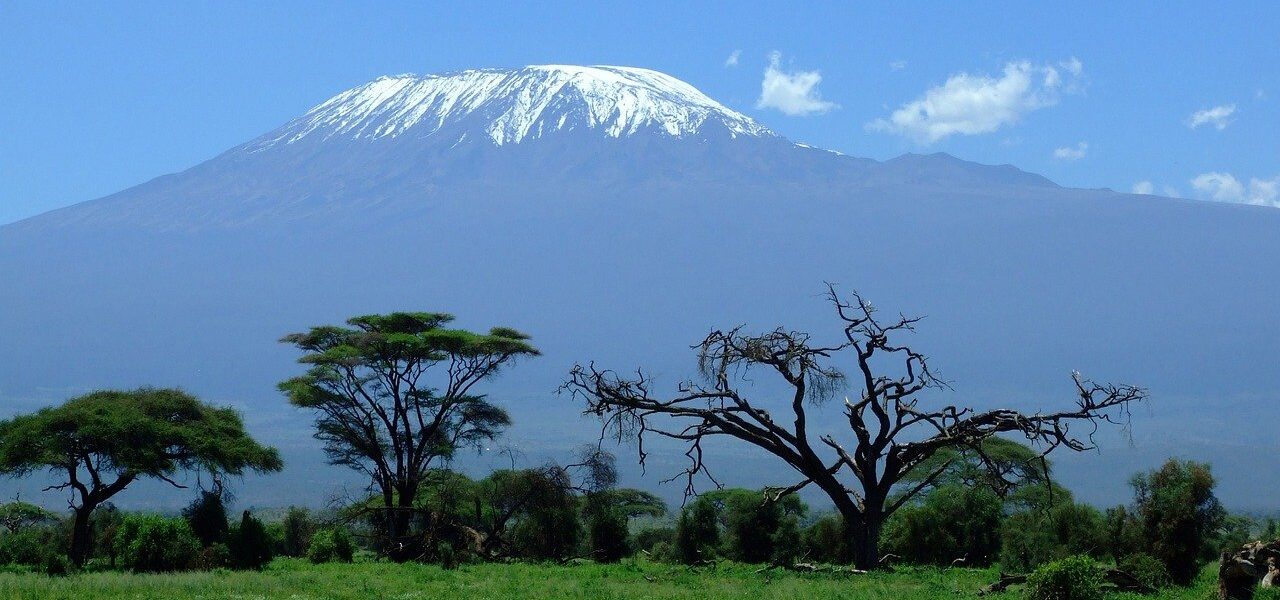
Climb Mount Kilimanjaro with Nature Bound Africa
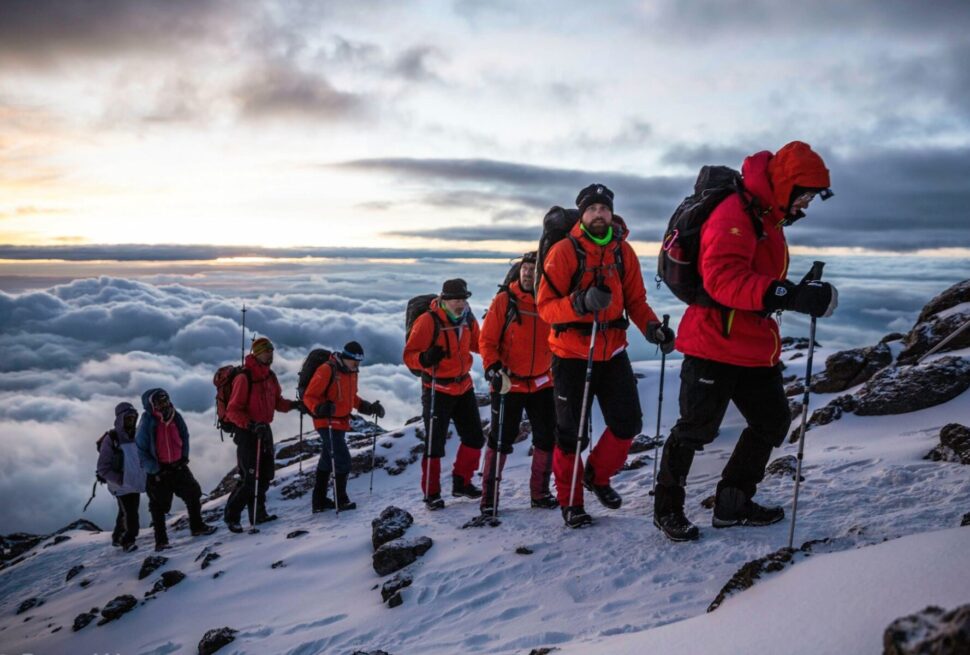
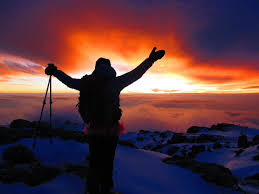
Nature Bound Africa Kilimanjaro experiences are designed for travelers seeking a safe, professionally guided, and unforgettable trek to the summit of Africa’s highest mountain. Traveling to Tanzania for this adventure not only brings a sense of achievement but also offers a chance to immerse yourself in the stunning landscapes and rich cultures of the region.
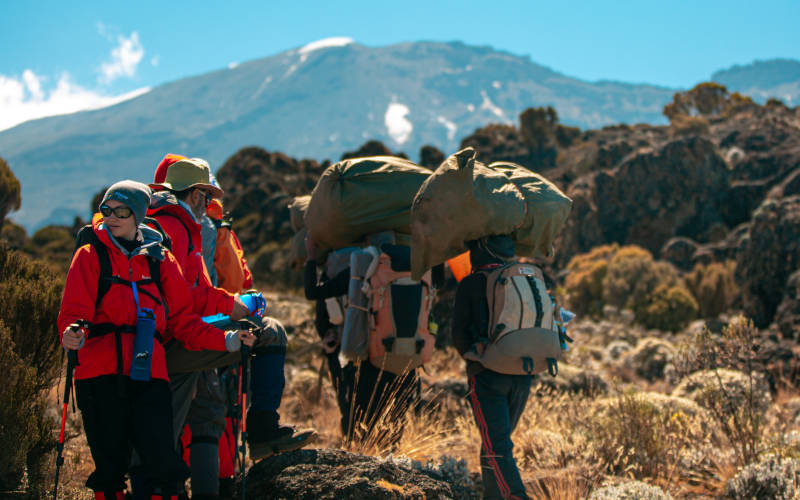
As you ascend, you will encounter diverse ecosystems, from lush rainforests to alpine deserts, each offering its unique beauty and challenges. The memories made during this journey will stay with you for a lifetime.
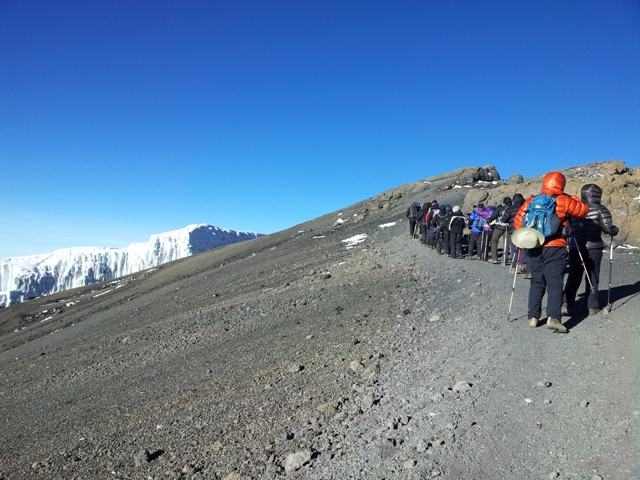
Standing at 5,895 meters (19,341 feet), Mount Kilimanjaro attracts adventurers from around the world. The mountain is not just a physical challenge; it’s an opportunity to experience a variety of ecosystems and climates all in one trek.
Choosing the right team is one of the most important decisions you will make when planning your climb. At Nature Bound Africa, we combine local knowledge, experienced mountain crews, and personalized service to help you achieve your goal of reaching Uhuru Peak.
Each of our guides brings their expertise to ensure your climb is safe, enjoyable, and tailored to your needs, allowing you to fully experience the majesty of Kilimanjaro.
Based in Arusha, Tanzania, Nature Bound Africa specializes in tailor-made Kilimanjaro climbs for individuals, couples, families, and groups. We understand that each climber has unique preferences and requirements; therefore, we take the time to listen and create a personalized itinerary that suits your needs.
Whether you are a first-time trekker or an experienced mountaineer, we can recommend the best route based on your fitness level, experience, and travel schedule. Our extensive knowledge of the mountain allows us to provide insights on the best times to climb, what to expect, and how to prepare for the journey ahead.
This ensures that you are well-equipped for your adventure.
Why Climb Kilimanjaro with Nature Bound Africa?
Moreover, our commitment to your safety and comfort is paramount. We provide thorough pre-trek briefings to prepare you mentally and physically for the climb. This includes advice on gear selection, acclimatization practices, and nutrition.
Furthermore, our guides are trained in first aid and emergency response, ensuring that you are in capable hands throughout your expedition. With Nature Bound Africa, you can focus on enjoying the journey, knowing that your well-being is our top priority.
- Experienced local mountain guides
- High summit success rates
- Private and group climb options
- Quality camping equipment
- Fair treatment of porters and mountain staff
- Personalized trip planning
- Airport transfers and accommodation arrangements
- Combined Kilimanjaro, safari, and Zanzibar packages
Our guides are not only skilled climbers but also passionate storytellers, eager to share the rich history and cultural significance of Mount Kilimanjaro and the surrounding areas.
As you trek, you will learn about the local tribes, the challenges they face, and the efforts to preserve their cultural heritage. This knowledge will enrich your experience and deepen your connection to the land.
In addition to our climbing services, we take pride in our environmental stewardship, ensuring that our trekking practices have minimal impact on Kilimanjaro’s delicate ecosystem.
We emphasize the importance of Leave No Trace principles among our staff and climbers, encouraging everyone to respect the natural beauty of this majestic mountain. By choosing to climb with us, you are supporting sustainable tourism practices that benefit both the environment and local communities.
We understand that climbing Kilimanjaro is a significant investment of both time and resources. Therefore, we strive to provide the best value for your money, ensuring that you receive top-notch services and support throughout your journey.
This includes high-quality gear rental options, nutritious meal plans prepared by our experienced cooks, and comfortable camping setups that enhance your overall climbing experience.
Popular Kilimanjaro Routes
Nature Bound Africa offers all major Kilimanjaro routes, including the Lemosho, Machame, Marangu, Rongai, and Northern Circuit routes.
Each route has its own unique characteristics and challenges, allowing climbers to choose the best fit for their adventure. The Lemosho Route, known for its beautiful scenery, provides an excellent acclimatization profile and high success rates, making it a favorite among many trekkers.
The Machame Route, often referred to as the ‘Whiskey Route,’ is one of the most popular due to its spectacular landscapes and varied terrain, appealing to those looking for a more challenging experience.
The Marangu Route, on the other hand, is the only route with mountain huts, making it a great option for trekkers seeking additional comfort along the way.
The Rongai Route approaches the mountain from the north, offering a quieter experience compared to the bustling southern routes.
Finally, the Northern Circuit Route, noted for being the longest, is ideal for acclimatization, providing climbers with ample time to adjust to the altitude and increase their chances of a successful summit attempt.
Lemosho Route
Known for its beautiful scenery, excellent acclimatization profile, and high success rates.
Machame Route
With Nature Bound Africa, you not only climb Kilimanjaro but also create lasting memories that you will cherish forever. Our team is dedicated to making your experience as enjoyable and comfortable as possible, allowing you to focus on the adventure and the breathtaking views that await you at the summit. Join us for this once-in-a-lifetime journey and experience the magic of Kilimanjaro with a team that genuinely cares about your success.
One of the most popular routes, offering spectacular landscapes and varied terrain.
Marangu Route
The only route with mountain huts, making it a popular choice for trekkers seeking additional comfort.
Rongai Route
Approaches the mountain from the north and is often quieter than the southern routes.
Northern Circuit Route
The longest route on Kilimanjaro and one of the best options for acclimatization and summit success.
Many travelers combine their Kilimanjaro adventure with a Tanzania safari or Zanzibar beach holiday. Nature Bound Africa can create a complete East Africa itinerary that includes a variety of enriching experiences.
From Mount Kilimanjaro trekking to exploring the vast plains of Serengeti, the stunning Ngorongoro Crater, and the unique wildlife in Tarangire National Park, the possibilities are endless.
Relaxing on the beautiful beaches of Zanzibar is the perfect way to unwind after your trek, allowing you to soak in the sun and reflect on your incredible journey.
Our experienced travel planners will work with you to design a personalized itinerary that meets your interests and budget, ensuring you make the most of your time in Tanzania.
Many travelers combine their Kilimanjaro adventure with a Tanzania safari or Zanzibar beach holiday. Nature Bound Africa can create a complete East Africa itinerary that includes:
- Mount Kilimanjaro trekking
- Serengeti safaris
- Ngorongoro Crater tours
- Tarangire National Park
- Zanzibar beach holidays
Start Planning Your Kilimanjaro Adventure
If you are searching for Nature Bound Africa Kilimanjaro tours, our team is ready to help you choose the right route, prepare for your climb, and create an unforgettable Tanzania adventure tailored to your desires.
We are committed to providing you with the best possible experience, from the moment you contact us until you reach the summit and return safely.
Our passion for adventure and dedication to our clients set us apart as a leading provider of Kilimanjaro treks. Allow us to guide you through this extraordinary journey and make your Kilimanjaro dreams a reality.
Contact Nature Bound Africa today and let our Kilimanjaro specialists help you plan the journey of a lifetime. We welcome your inquiries and are eager to assist you in every step of your planning process. Whether you need advice on gear, fitness preparation, or travel logistics, our knowledgeable staff is here to ensure your experience is seamless and enjoyable. Don’t wait any longer; your adventure awaits!
At Nature Bound Africa, we believe that every trek up Kilimanjaro should be as unique as the adventurer taking it. Our friendly team is ready to tailor your experience to fit your individual needs, ensuring that every moment is memorable. From the lush rainforests to the breathtaking summit, we’re here to make your journey not just a trek, but a cherished experience. Let’s create unforgettable memories together on the magnificent slopes of Kilimanjaro!
Join us on an unforgettable adventure with Nature Bound Africa Kilimanjaro! In this video, we’ll explore the breathtaking beauty of Africa’s iconic peak, Mount Kilimanjaro. Discover the diverse landscapes, wildlife, and cultures that surround this majestic mountain. Whether you’re an avid hiker or just curious about the wonders of nature, this journey will inspire you to connect with the great outdoors. Learn about the best trekking routes, essential tips for your climb, and the unique experiences that await you on this incredible journey. Don’t forget to like, subscribe, and hit the notification bell to stay updated on more exciting explorations with Nature Bound Africa Kilimanjaro!
What makes Nature Bound Africa Kilimanjaro a unique trekking experience?
Nature Bound Africa Kilimanjaro offers personalized trekking packages, experienced guides, and a focus on eco-friendly practices, ensuring an unforgettable adventure while preserving the natural beauty of the region.
How can I prepare for my trek with Nature Bound Africa Kilimanjaro?
To prepare for your trek with Nature Bound Africa Kilimanjaro, it’s essential to build your stamina through regular exercise, stay hydrated, and pack appropriate gear, including layers for changing weather conditions.
What kind of support does Nature Bound Africa Kilimanjaro provide during the trek?
Nature Bound Africa Kilimanjaro provides comprehensive support during your trek, including expert guides, porters for your gear, nutritious meals, and first aid assistance, ensuring a safe and enjoyable journey to the summit.