community and conservation projects in Tanzania with regenerative impact
1. The Mto wa Mbu Cultural Tourism Program (Community Empowerment)
Luxury African Safari, Wildlife Adventures and Tailor-Made Holidays
Luxury African Safari, Wildlife Adventures and Tailor-Made Holidays
Luxury African Safari, Wildlife Adventures and Tailor-Made Holidays
community and conservation projects in Tanzania with regenerative impact
1. The Mto wa Mbu Cultural Tourism Program (Community Empowerment)
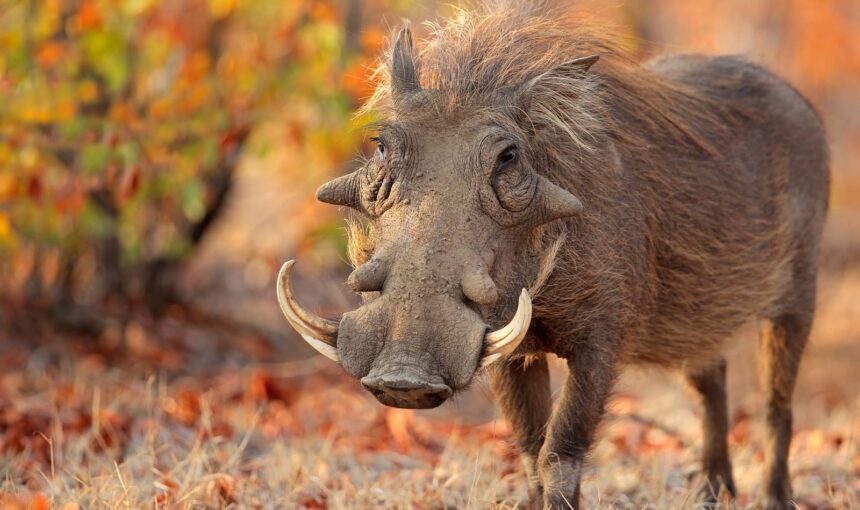
Today’s Wildlife Wednesday is Warthog Friday!
Welcome to our exploration of one of Africa’s most unique animals, the warthog. Warthogs play a crucial role in their ecosystem, and understanding their behavior and habitat can enrich our knowledge of wildlife.
This fascinating creature is not only recognizable for its appearance but also for its behavior. For instance, when warthogs are grazing, they often lie on their bellies, using their snouts to dig through the grass and soil for food, which includes a variety of roots and tubers. This behavior not only helps them find food but also contributes to the health of the grasslands by stimulating new growth.
In the bush beauty stakes, the warthog has suffered a raw deal: a head that is disproportionately big for the body, wart-ish lumps on either side of the face and jaw, a mostly bald body, the spine distinctly bristled, and giving way to a tassel-mounted tail. There is something to be said for this unmistakable feature; the tail is always held high and visible to the rest of the group on the move. This unique characteristic is not just for show; it serves as a communication tool among warthogs, signaling their mood and intentions to other members of the group.
The warthog’s agility is further illustrated in their escape tactics. When threatened, they can swiftly dart into dense bushes or burrows, making it difficult for predators to pursue them. A unique aspect of their escape is that they often run backward with their tusks facing outwards, ready to defend themselves if caught.
This adaptation to survive without regular water sources allows warthogs to inhabit areas that many other animals cannot. During dry spells, they will dig deep into the ground to find moisture. Their keen sense of smell helps them detect food and water sources from a distance, ensuring they can sustain themselves in challenging conditions.
In addition to their social structures, warthogs exhibit fascinating communication methods. They utilize a range of vocalizations, such as grunts and snorts, to convey messages to one another. For example, a mother warthog will grunt to call her piglets, signaling it is safe to approach or indicating it’s time to move on.
There is nothing graceful about their springy trot, yet this ungainly movement is effective in their environment. When threatened by predators like lions or leopards, warthogs display remarkable agility, going into reverse at high speed with their sharp lower tusks at the ready, darting towards the nearest hole or burrow to escape danger. Their relatively myopic vision does not hinder them due to their highly developed sense of smell and acute hearing, which are vital for detecting threats in the wild.
Moreover, their intelligence is on display during foraging. Warthogs are known to remember locations of food sources and returns to them as necessary, showcasing their ability to adapt and learn from their environment. This adaptive behavior is vital for their survival, especially in regions where food availability can fluctuate dramatically.
As we observe the warthog in its natural environment, we also witness the interconnectedness of species within the ecosystem. Warthogs contribute to soil health by aerating it while foraging, which benefits other plant and animal species. Understanding these relationships is critical for conservation efforts, as protecting one species often means protecting many others that rely on the same habitat.
The warthog’s healthy survival rate is perhaps testament to this effective defense mechanism. Equally significant to their survival is their capability to endure long periods without water, sometimes several months. This remarkable adaptation allows them to thrive in arid environments where water sources are scarce. They snuffle around on calloused knees, actively foraging for roots, tubers, and insects, which constitute a large part of their diet. Such foraging behavior highlights their role in maintaining the ecological balance, as they help aerate the soil and disperse seeds.
Warthogs exhibit interesting social structures; the boars tend to be solitary, while sows and piglets form nursery groups. These groups provide safety in numbers, particularly for the young, who are vulnerable to predators. However, during the mating season, competition escalates, leading to fierce battles among the males. A muscle-bound 250-pound hog will compete ferociously for the chance to mate with one or two sows, showcasing their strength and determination.
Despite their somewhat rugged appearance, it compensates somehow that they are generally thought of as intelligent, adaptable, and explorative non-territorial creatures. They possess a remarkable ability to learn and remember, which aids them in navigating their environments and avoiding dangers. It remains a curious puzzle why they have four toes but typically get around on only two, utilizing their large front feet to support much of their weight when foraging. This adaptation may be linked to their evolutionary history and the need for agility in their natural habitat.
Overall, the warthog is a fascinating creature that exemplifies the complexities of wildlife in Africa. Observing them in their natural habitat reveals not only their survival strategies but also their integral role within the ecosystem. As we continue to explore and learn about these remarkable animals, we gain a deeper appreciation for the diverse life forms that inhabit our planet and the importance of conservation efforts to protect them.