Menu
Ngorongoro Crater Highlands Trek Highlights

Ngorongoro Crater Highlands Trek Highlights

Ngorongoro Crater Highlands Trek is a multi-day immersive adventure that explores the volcanic calderas and Maasai-inhabited lands north of the main Ngorongoro Crater. In 2026, this trek remains a top choice for travelers seeking “untouched wilderness” away from traditional vehicle-based safaris. 

Core Trek Highlights

  • Volcanic Crater Exploration:
    • Olmoti Crater: A moderate hike through mountain forests and grasslands leading to a viewpoint of the Munge Waterfall, which cascades down the crater walls.
    • Empakaai Crater: The trek’s centerpiece, featuring a 300-meter-deep alkaline lake covered in thousands of pink flamingos. On clear days, you can see Ol Doinyo Lengai and even Mount Kilimanjaro from the rim.
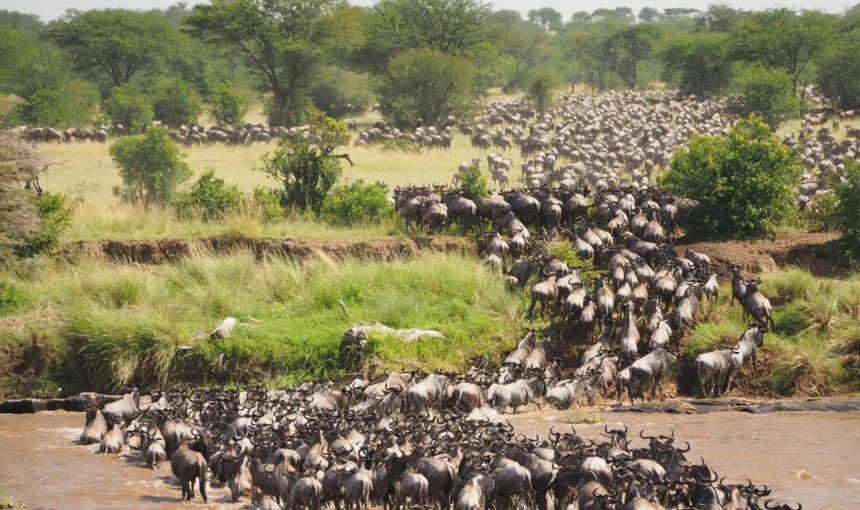
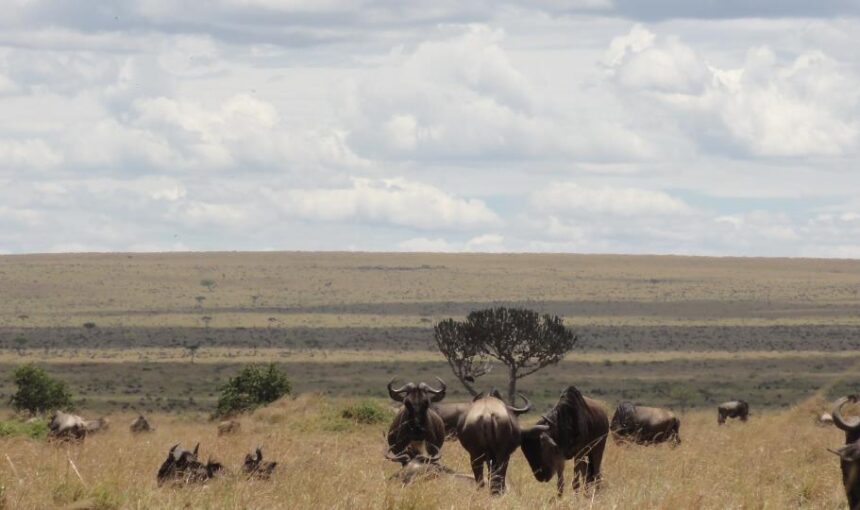
  • The Embulbul Depression: Traverse a vast, treeless grassland where you can spot zebras, wildebeests, and gazelles grazing alongside Maasai livestock.
  • Great Rift Valley Vistas: Descend from the lush highlands into the dramatic, arid floor of the Rift Valley, offering panoramic views of the “Mountain of God” (Ol Doinyo Lengai).
  • Maasai Cultural Immersion: Visit authentic Maasai Bomas (villages) like Bulati or Naiyobi to learn about traditional herding practices and local customs.
  • Crater Rim Camping: Experience “wild camping” under star-filled skies at sites like the Empakaai Crater rim or Acacia Camp

Typical 2026 Expedition Itinerary

Most variations of this trek span 6 to 9 days and follow a similar progression: 

Day  Destination Highlight Activity
1-2 Ngorongoro Crater Initial game drive on the crater floor before heading to Nainokanoka Village.
3 Olmoti Crater Morning hike to the Munge Waterfall; trek towards Bulati Village.
4 Empakaai Crater Traverse the Embulbul Depression; camp on the Empakaai rim.
5 Acacia Camp Descend into Empakaai to see the flamingos; trek to the Rift Valley edge.
6-7 Lake Natron Descend the Rift Valley wall; optional midnight climb of Ol Doinyo Lengai.

Trek Essentials

  • Guided Safety: Due to the presence of buffaloes and other wildlife, all treks are accompanied by a professional guide and an armed park ranger.
  • Fitness Level: Moderate to high. Daily trekking typically covers 10–15km over rugged terrain.
  • Best Time: The dry season (June to October) offers the most favorable weather for trekking and the clearest views of the Great Rift Valley. 

For more details on 2026 availability or to customize a route, visit the official Nature Bound Africa Ngorongoro Crater Highlands Trek page

Kilimanjaro Marangu Route Highlights

Kilimanjaro Marangu Route Highlights

The Kilimanjaro Marangu Route, often called the “Coca-Cola Route,” is the oldest and most established path on Mount Kilimanjaro. Offered by Nature Bound Africa, it is unique as the only route that provides dormitory-style hut accommodation instead of camping.

Core Trip Highlights

  • Comfortable Hut Accommodation: Stay in shared wooden A-frame huts (Mandara, Horombo, and Kibo) equipped with solar power, beds, and mattresses, offering better protection from the elements than tents.
  • Gradual Scenic Ascent: Follow a well-defined, steady climb through beautiful montane rainforests (home to Blue and Colobus monkeys) and into high-altitude moorlands.
  • The Maundi Crater: A short detour from the trail offers panoramic views of the Northern Tanzania landscape and across the border into Kenya.
  • Zebra Rocks: Visit these distinctive black-and-white striped volcanic rock formations near Horombo Hut, a popular spot for photography and acclimatization.
  • Summit Sunrise at Gillman’s Point: Reach the crater rim at dawn for a spectacular view of the “Roof of Africa” before the final push to Uhuru Peak (5,895m).

Typical 6-Day Itinerary (Recommended for 2026)

While a 5-day version exists, Nature Bound Africa strongly recommends the 6-day itinerary to include a critical acclimatization day at Horombo Hut, which significantly improves summit success rates.

Day Route Stage Elevation Key Feature
1 Marangu Gate to Mandara Hut 1,860m to 2,700m Trek through lush rainforest.
2 Mandara Hut to Horombo Hut 2,700m to 3,720m Enter the heath and moorland zone.
3 Acclimatization Day 3,720m Hike to Zebra Rocks; stay at Horombo.
4 Horombo Hut to Kibo Hut 3,720m to 4,700m Cross “The Saddle” (alpine desert).
5 Summit (Uhuru Peak) 4,700m to 5,895m Midnight ascent; descent to Horombo.
6 Horombo Hut to Gate 3,720m to 1,860m Final descent and certificate ceremony.

What’s Included

  • Professional Mountain Crew: Certified guides, a professional chef, and porters to carry your gear.
  • Full Board Dining: Three hot, high-energy meals daily served in communal dining halls within the huts.
  • Safety Protocols: Daily health checks using pulse oximeters and emergency oxygen cylinders carried on the summit push.

For more details on 2026 departure dates or to book your trek, visit the official Nature Bound Africa Kilimanjaro Marangu Route page.

Kilimanjaro Rongai Route Highlights

Kilimanjaro Rongai Route Highlights

The Kilimanjaro Rongoai Route is the only path that approaches Mount Kilimanjaro from the north, near the Kenyan border. Nature Bound Africa recommends this route for climbers seeking a drier, more remote wilderness experience with high summit success rates. 

Core Trip Highlights

  • True Wilderness Experience: As the least traveled route, you’ll enjoy a sense of isolation and untouched nature before merging with the Marangu route at Kibo Hut.
  • Drier Microclimate: Positioned on the mountain’s rain shadow, Rongai receives significantly less rainfall than southern routes, making it the best choice for trekking during the wet season.
  • Mawenzi Tarn: Camp beside a high-altitude emerald lake at the foot of Mawenzi Peak, one of the most dramatic and photogenic spots on the mountain.
  • Wildlife Sightings: The lower rainforest on the northern side is home to large troops of Colobus monkeys and occasionally larger game like elephants.
  • Gradual Ascent: The trail features a steady, gentle incline with no steep “wall” scrambles (like the Barranco Wall), making it physically less taxing until the final summit push. 

Typical 7-Day Itinerary (2026)

Nature Bound Africa suggests the 7-day version to include a critical acclimatization day at Mawenzi Tarn, which drastically improves the chances of reaching Uhuru Peak

Day  Route Stage Elevation Key Feature
1 Rongai Gate to Simba Camp 1,950m to 2,671m Trek through cypress forests and moorlands.
2 Simba Camp to Second Cave 2,671m to 3,444m Gentle climb with views of Kibo.
3 Second Cave to Kikelewa 3,444m to 3,600m Cross open moorlands with giant lobelias.
4 Kikelewa to Mawenzi Tarn 3,600m to 4,310m Dramatic camp beneath Mawenzi’s spires.
5 Mawenzi Tarn to Kibo Hut 4,310m to 4,703m Cross “The Saddle” (alpine desert).
6 Summit (Uhuru Peak) 4,703m to 5,895m Midnight ascent; descent to Horombo Hut.
7 Horombo Hut to Gate 3,720m to 1,860m Final descent through rainforest to Marangu Gate.

What’s Included

  • Expert Support: Certified wilderness guides, a private chef, and a dedicated porter team.
  • Premium Camping: Four-season tents and high-quality sleeping mats.
  • Safety First: Daily pulse oximeter checks and emergency oxygen provided on the summit push. 

For 2026 availability and group rates, visit the official Nature Bound Africa Kilimanjaro Rongai Route page.

Kilimanjaro Machame Route Highlights

Kilimanjaro Machame Route Highlights

The Mount Kilimanjaro Machame Route, often referred to as the “Whiskey Route,” is the most popular climbing path offered by Nature Bound Africa. In 2026, it remains a top choice for physically fit hikers due to its stunning scenery and high summit success rate.

Core Trip Highlights

  • Optimal Acclimatization: The “walk high, sleep low” design (climbing to Lava Tower at 4,630m and descending to sleep at Barranco at 3,950m) significantly increases your chances of reaching the summit.
  • Diverse Landscapes: The route traverses five distinct eco-zones, starting in lush montane rainforests, passing through moorlands and alpine deserts, and ending in the arctic summit zone.
  • The Barranco Wall: An exhilarating (but non-technical) scramble up a 257m rock face that offers some of the most dramatic photo opportunities on the mountain.
  • Panoramic Views: Enjoy breathtaking vistas of Shira Plateau, the Southern Ice Fields, and the Kibo Peak throughout the trek.
  • Summit Sunrise: Reach Uhuru Peak (5,895m), the highest point in Africa, at dawn for a spectacular sunrise over the clouds.

Typical 7-Day Mountain Itinerary (2026)

Day Route Stage Elevation Environment
1 Machame Gate to Machame Camp 1,800m to 3,000m Rainforest
2 Machame Camp to Shira 2 Camp 3,000m to 3,840m Moorland
3 Shira 2 to Lava Tower to Barranco 3,840m to 4,630m to 3,950m Semi-Desert
4 Barranco Wall to Karanga Camp 3,950m to 4,000m Alpine Desert
5 Karanga Camp to Barafu Camp 4,000m to 4,600m Alpine Desert
6 Summit Push (Uhuru Peak) 4,600m to 5,895m Arctic
7 Mweka Camp to Mweka Gate 3,100m to 1,800m Rainforest

What’s Included

  • Professional Support: Expert wilderness-certified guides, a private chef, and a dedicated team of porters.
  • Equipment: High-quality four-season mountain tents and double-layered sleeping mats.
  • Safety: Emergency oxygen cylinders and pulse oximeters are carried on every climb to monitor guest health.
  • Nutrition: Three fresh, hot meals daily designed for high-altitude energy needs.

For 2026 pricing and group departure dates, visit the official Nature Bound Africa Machame Route page.

💬