Menu
How to Trek to Point Lenana on Mount Kenya

How to Trek to Point Lenana on Mount Kenya

How to Trek to Point Lenana on Mount Kenya

How to Trek to Point Lenana on Mount Kenya

Mount Kenya is like the ultimate trekking spot in Kenya! Sure, most people think of Kenya for its beaches and safaris, but this mountain is a hidden gem for adventure seekers.

And yes, most folks can name the highest mountain in Africa, but did you know that Mount Kenya is Africa’s second-highest mountain? Standing at 5,199 meters, Batian Peak is just a tad taller than Nelion (5,1888 m) and Point Lenana (4,985 m).

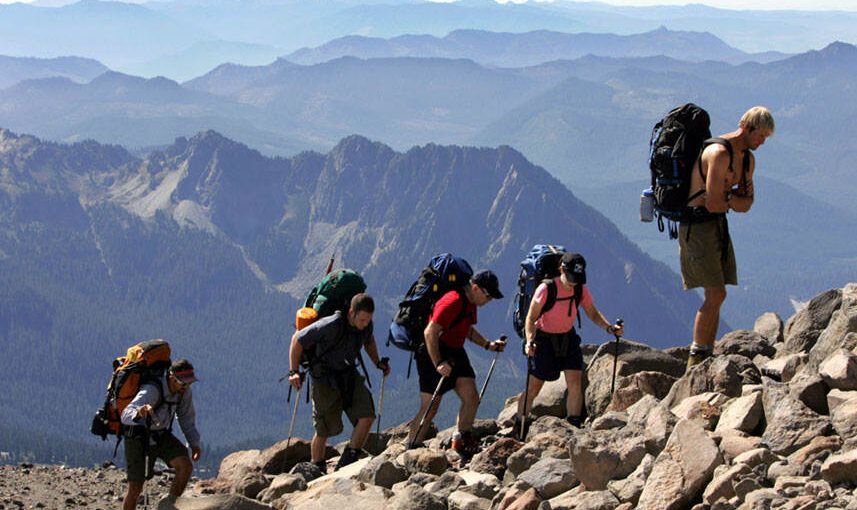
If you’re up for climbing the first two peaks while on a trek on Mount Kenya, you’ll need some rock climbing experience. But if you’re aiming for Point Lenana, all you need is a good pair of hiking boots. You can conquer the third-highest peak of Africa’s second-highest mountain with just a few days of hiking.

This massif is perfect for those who love a good challenge in a breathtaking setting. Even though it’s on the equator, the main peak Batian, is a real showstopper with its snow-capped glaciers. Visitors flock here year-round for the breathtaking views! It’s a fantastic spot for nature lovers and climbers looking for a challenge. With three peaks to conquer, you can tailor your climb to your skill level and make it as tough as you like.

The hike to Point Lenana is achievable for anyone, especially if you take your time. Going at a leisurely pace is the secret to steering clear of altitude sickness and making it to your goal with ease. Once you hit 3000 meters, it’s totally fine to take it easy. And don’t forget to drink lots of water to keep yourself well hydrated.

Different Routes To Trek to Point Lenana on Mount Kenya

Naro-Moru Route

Sirimon Route

Chogoria Route

Burguret Route

Timau Route

Our Recommendation: Sirimon Route

4 Days Up and Down Sirimon Route

Day 1: Nairobi / Nanyuki / Old Moses

Day 2: Old Moses – Shiptons

Day 3: Shipton Camp / Point Lenana / Judmaier Camp (Old Moses Camp)

Day 4: Judamaier Camp (Old Moses) / Sirimon / Nairobi

Chat instantly with our safari experts and get quick answers about safari packages, Mount Kenya climbing tours, and travel planning.

 Call Our Safari Experts: +255 784 737 413       Get Your Custom Safari Quote on WhatsApp          Email Us

Luxury Tanzania Safari & Kenya Safari | Tailor-Made African Safari Holidays

Hidden Paradise on Wasini Island in Kenya

Hidden Paradise on Wasini Island in Kenya

Hidden Paradise on Wasini Island in Kenya

Hidden Paradise on Wasini Island in Kenya

It’s a hidden paradise that you absolutely have to explore if you’re ever in the country. Here’s everything that you need to know to visit the island.

Wasini Island, Kenya

Wasini Island, known by many visitors as “paradise on earth”, is located at the southern end of Kenya’s coast, and is a distance of around 1.5 km from the small town of Shimoni on the mainland.

A public ferry transports visitors to the island within a few short minutes, and yet it’s still one of the hidden gems of Kenya. The island’s 2,000 inhabitants still welcome guests with a true Swahili-style “Karibu sana”.

For those who have visit Kenya before, Wasini might sound like Lamu’s or Diani’s little sister, but Wasini is actually a unique haven that is full of peace and tranquility. The hustle and bustle of Kenya’s coastal beaches seem a thousand miles away.

What to do in Wasini Island?

Kisite Mpunguti Marine National Park is considered to be the most magnificent of all of Kenya’s marine parks. It covers an area of 39 square km and you will be hard pressed to find anywhere that can compete with the variety of beautiful fish species that can be found within the park’s boundaries.

The green sea turtle is also frequently spotted by snorkelers around the island. Another unique experience are the boat tours around the island from which you can look for dolphins and Humpback whales (if you’re lucky).

As for activities on the island itself, don’t miss the ‘Coral Garden‘, which is made up of mesmerizing fossilized coral structures, some of which reach about three meters in height. A boardwalk allows for easy access to the “garden”, even when the area is flooded at high tide.

We recommend joining a Kisite Marine Park and Wasini Island Dhow tour (book here).

Where to stay in Wasini Island?

Several traditional cottages are spread out in a wild garden along Wasini’s coast line.  Consider staying at the “Blue Monkey Beach Cottages“, where you’ll fall asleep to the sound of waves crashing. 

The owners (originally from Germany) cook delicious Swahili seafood dishes served on a tree-top terrace with great views of the sea and will guide you on private boat trips or walks around the island.  They’re also open to listen to your stories, because the clock seems to tick at a different pace here.

What to do in Amboseli National Park

What to do in Amboseli National Park

What to do in Amboseli National Park

What to do in Amboseli National Park

1. Game drive 

Amboseli National Park has diverse species of wild animals that inhabit the park’s open plains, rocky thorn bushes, and marsh land. It is a safari wonderland characterized by the solemnly matching matriarchs and hippos. While game drives can be conducted all day long, the best time to spot most of the wildlife is early morning and late evening. This is because during the day, when the sun is hot, the animals stay in the hideouts and only come out to drink water in the watering holes.

Some of the other animals to see at the park include; hyenas, giraffes, lions, waterbucks, buffalos, leopards, grant’s gazelles, and zebras among other animals.

Insider Tip: While exploring the Amboseli National Park, it is vital to be a responsible tourist and prioritize the preservation of wildlife and their habitats. Respect the animals by maintaining a safe distance, refrain from feeding them, and obey the park rules.

2. Cultural tours

A visit to Amboseli National Park is incomplete without partaking in a cultural tour. Surrounding the park is the Maasai community, one of Kenya’s reigning indigenous community. The Maasai are famous for their culture and cultural elements like dance, souvenirs like beaded jewelry, woven baskets, clothing popularly known as the Maasai shuka and crafts.

While enjoying the Maasai culture and heritage, visitors can engage and participate in the community’s sustainable development initiatives like afforestation and other voluntourism activities in the community.

Insider Tip: Be a responsible tourist and support the local community by buying their goods and services and respecting their culture and heritage.

3. Camping

Camping can be frolic and fun and I cannot imagine a better way to enjoy it by camping outside a lodge overlooking the majestic African giants and the beautiful view of Mount Kilimanjaro. Camping at the Amboseli National Park costs approximately $50 for adults and $25 for children at special campsites; $30 for adults and $25 for children at public campsites. I would suggest making prior enquiries about the availability and state of the campsites because they are hardly maintained.

The park has three common campsites, all of which are located outside the park. These include:

Kimana Camp Amboseli: the most common in Amboseli run by the Kenya Wildlife Service. It is located just outside the park’s Kimana gate. Set under huge acacia trees that provide shade from the scorching sun. The camp is a tented camp as well as a campsite.

Olgulului Camp Amboseli: this campsite provides a marvelous view of Mount Kilimanjaro. It about five minutes away from the park’s Meshanani gate. The camp provides all the basic amenities; though, you may be required to look a little harder for firewood.

Kimana Sanctuary: this campsite is privately owned as it is located in the nearby conservancy. It is half an hour away from the park gate and has slightly different costs that are inclusive of conservancy entrance fees.

4. Guided nature walk at the Observation Hill

Amboseli National Park is naturally endowed with scenic vegetation, swamps, and elevated view of the park’s plains and animal species at the pyramid-shaped observation hill. The observation hill is one of the places within the park, where visitors are allowed to disembark from their vehicles and proceed on foot.

Atop the hill, you can get a panoramic view of the park’s plains and diverse animal species. At the observation hill, you have access to the information centre, where there are pasted boards with facts about wildlife like baboons, lions, and birds at the park. Similarly, you can view the scenic Lake Amboseli with its beautiful flamingoes on one side and the peak of Mount Kilimanjaro on the other.

5. Bird watching

The park provides a home to over 400 species of birds that can be spotted in the marsh area, grasslands, and woodlands. Some of the unmissable birds here include the greater flamingo, lesser flamingo, long toed lap claw, Rufous chatter, Spike-heeled heron, Tavete golden weaver, common redshank, and Dickinson’s kestrel. Birds can be difficult to sight when at a distance, therefore, having your binoculars is necessary.

Insider Tip: To get the most out of this activity, bird watching is best done during the wet season (April to June and November to December) when migratory birds are in the Amboseli region.

6. Hot Air Balloon Safari

A hot air balloon ride is one of the most fulfilling activities. Taking a hot air balloon ride allows you to fly the Amboseli skies while enjoying an aerial view of the park. You can see elephant herds and buffalos across the plains while mingling with birds of the air.

7. Photography

With a scenic backdrop of the snowcapped Mount Kilimanjaro, Amboseli National Park is a delight for nature lovers. It provides the best contrasts, terrain, and landscapes to capture the best of flora and fauna. The great experiences are worth capturing on your lenses for good memories and nostalgia. Amboseli is also known as a spectacular spot for wildlife photography and film-making.

8. Wildlife Conservation and Research at the Elephant Research Camp

The African elephants at the Amboseli are among the most studied elephants in Kenya and globally. The research camp is located within the park under the guidance and leadership of the Amboseli Trust for Elephants.

While the research camp is not open to casual visits, visitors can make prior arrangements for interactive sessions with the researchers to learn about their research work and the issues associated with elephant conservation. It’s also a great opportunity for you to be involved in conservation tourism by making donations to support elephant conservation efforts, participating in the elephant naming ceremony, and becoming a member of the Elatia family.

Why Consider a Shoulder Season Safari

Why Consider a Shoulder Season Safari

Why Consider a Shoulder Season Safari?

Why Consider a Shoulder Season Safari?

If you’re looking for a quieter, more budget-friendly safari while still experiencing incredible wildlife, the shoulder season could be your best bet.

Going on safari during the shoulder season has some fantastic perks! First off, you’ll encounter fewer crowds in popular parks like the Serengeti and Maasai Mara, giving you a more personal connection with nature. With less hustle and bustle, you’ll have unobstructed views of wildlife—perfect for photography and soaking in the tranquility.

Another major plus is the affordability. Prices for lodges and tours drop during this time, allowing you to enjoy a luxurious experience without straining your budget. This means you can extend your trip or splurge on special activities without feeling guilty.

Wildlife viewing is also unique during these months. For instance, from April to June in East Africa, the rains bring lush landscapes that attract herbivores and their newborns. Animals gather around dwindling water sources as birthing season kicks off, leading to thrilling predator interactions.

Lastly, the weather is usually milder compared to peak seasons—making it much more comfortable for those who aren’t fans of extreme heat or heavy rain.

Understanding Kenya’s Climate

Kenya has a warm climate year-round, which makes deciding when to go a little easier. However, keep in mind that temperatures can vary depending on where you are.

The country is divided into two main climate zones instead of the typical four seasons. The coastal areas, like Mombasa, are usually hotter than the highlands.

Let’s take a closer look at the different regions.

In the Highlands:

If you’re heading to the interior, expect the warmest days from January to March, with temperatures hitting around 27°C (about 81°F) under the sun.

During the dry season in July and August, it cools down to around 22°C (72°F). Nights can get a bit chilly, dropping to around 13°C (55°F)—a refreshing break from the heat!

The highlands also have their rainy seasons, which last from late March to May and late October to December. But don’t let that scare you off! The rain usually falls in the afternoons or evenings, so you can still enjoy your days, and honestly, there’s something cozy about drifting off to sleep to the sound of rain.

organizing custom trips

organizing custom trips

organizing custom trips

When organizing custom trips, Nature Bound Africa follows a “Regenerative Boutique” model. Unlike mass-market operators, our process is built on three unique pillars that define how they curate itineraries:

1. The “Departure on Demand” Philosophy

Nature Bound Africa operates with the motto: “We go where YOU want and depart when YOU want.”

    • Zero Rigid Schedules: While many operators have fixed weekly departures, they build every trip from scratch based on the guest’s specific dates and interests.

    • Intimate Group Sizes: Custom trips are designed for private parties (typically 2–6 pax), ensuring everyone has a window seat in their purpose-built 4×4 vehicles and direct access to the guide’s expertise.

2. Regenerative “Gifting” Integration

A standout feature of their customization process is the Regenerative Impact built into the cost of the trip. When they organize a custom tour, they don’t just include parks; they include a legacy:

    • Anti-Poaching Support: A portion of the custom trip fee is automatically diverted to fund ranger patrols and equipment in the Tarangire ecosystem.

    • Carbon-Neutral Initiatives: For every client hosted, they plant indigenous trees near Arusha National Park to offset the carbon footprint of the safari vehicles and flights.

3. Authentic Cultural “Non-Staging”

When organizing cultural segments of a custom trip (like visiting the Hadzabe or Maasai), they avoid “tourist-oriented presentations.”

    • Welcomed as Friends: Their organization process relies on long-term community relationships. Guests are introduced to traditional villages as “friends of Nature Bound Africa” rather than mere spectators.

    • Direct Community Funding: They partner with initiatives like the Mto wa Mbu Cultural Tourism Program, ensuring that village walk fees go directly into communal funds for local schools and water infrastructure.

4. Expert-Led “Wilderness Interpretation”

They differentiate their organization by the quality of their staff. Their guides are not just drivers; they are “Wilderness Interpreters” with an average of 10+ years of experience.

  • Specialized Coordinators: Their itinerary coordinators are internationally focused experts who vet every lodge and camp personally for quality, safety, and sustainable practices before including them in a custom plan.
 

Contact us today and our safari specialists will design your perfect African adventure of a lifetime, tailored entirely to your travel style, interests, and schedule.

Speak with our safari experts: +255 784 737 413

Chat with us instantly on WhatsApp: +255 784 737 413

Go where you want. Travel when you want. Experience Africa your way.