Planning to Climb Mount Kilimanjaro? Start Here.
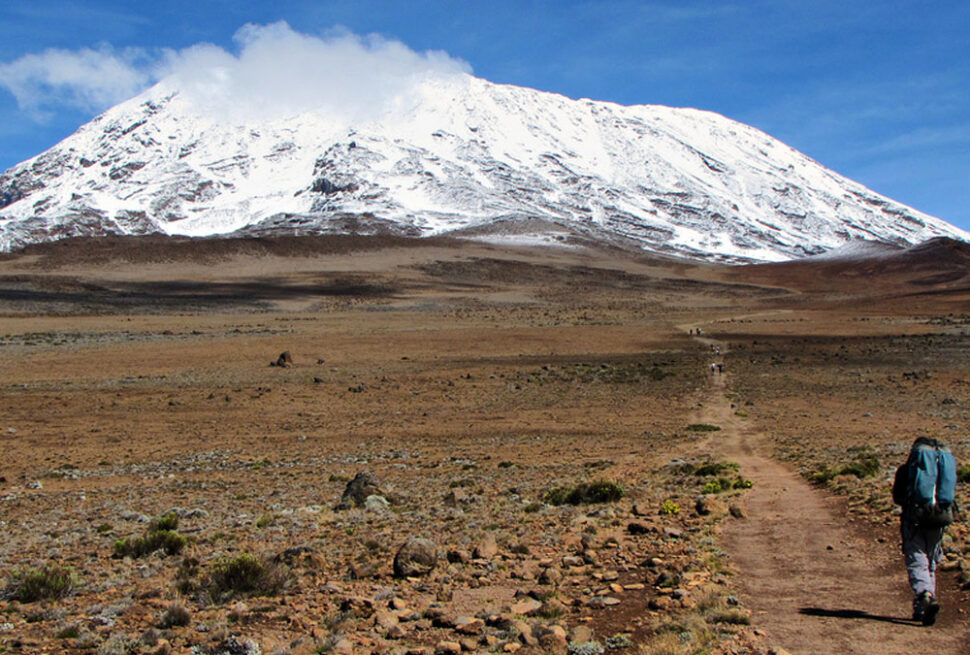
Climbing Mount Kilimanjaro is one of the world’s greatest adventures. As Africa’s highest mountain and the world’s tallest free-standing mountain, Kilimanjaro attracts thousands of trekkers every year.
In this article, we will address common Mount Kilimanjaro FAQs that many trekkers have before their adventures.
These Mount Kilimanjaro FAQs are designed to provide you with valuable insights and information.
If you’re planning your climb, you’ll probably have questions about routes, costs, success rates, altitude sickness, fitness requirements, and the best time to go.
Check out our complete list of Mount Kilimanjaro FAQs to prepare for your climb.
As Kilimanjaro specialists based in Tanzania, we’ve compiled the 50 most frequently asked questions to help you prepare for your journey to the Roof of Africa.
These Mount Kilimanjaro FAQs cover everything from preparation to safety.
When you read our Mount Kilimanjaro FAQs, you’ll feel more confident about your journey.
Refer to our Mount Kilimanjaro FAQs for answers on what to expect.
Our Mount Kilimanjaro FAQs are compiled by experts in the field.
For more information, check out our comprehensive Mount Kilimanjaro FAQs.
Explore our detailed Mount Kilimanjaro FAQs to enhance your understanding.
Refer back to our Mount Kilimanjaro FAQs as you prepare for your ascent.
For more tips, check our Mount Kilimanjaro FAQs.
Our Mount Kilimanjaro FAQs will help clarify your doubts.
Don’t forget to consult our Mount Kilimanjaro FAQs for last-minute advice.
General Kilimanjaro Questions
1. Where is Mount Kilimanjaro?
Mount Kilimanjaro is located in northern Tanzania near the Kenyan border.
2. How high is Mount Kilimanjaro?
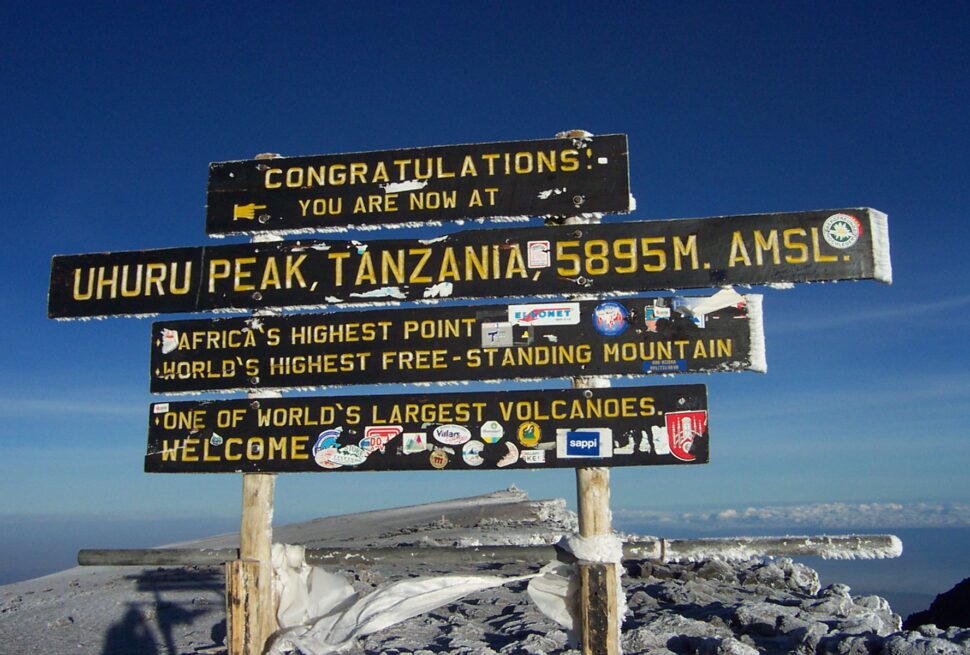
Mount Kilimanjaro stands at 5,895 meters (19,341 feet) above sea level.
3. Is Kilimanjaro the highest mountain in Africa?
Yes. It is Africa’s highest mountain.
4. Is Kilimanjaro one of the Seven Summits?
Yes. Kilimanjaro is the highest mountain on the African continent and one of the Seven Summits.
5. Do I need climbing experience?
No. Most routes do not require technical climbing experience.
Kilimanjaro Route Questions
6. What are the main Kilimanjaro routes?
The most popular routes are:
- Lemosho Route
- Machame Route
- Marangu Route
- Rongai Route
- Northern Circuit Route
- Shira Route
- Umbwe Route
7. Which route is best?
Lemosho and Northern Circuit are widely regarded as the best routes due to excellent acclimatization profiles.
8. Which route has the highest success rate?
The Northern Circuit generally has the highest summit success rate.
9. Which route is easiest?
Rongai and Marangu are often considered among the easier routes.
We recommend reading the Mount Kilimanjaro FAQs before your trek.
Our Mount Kilimanjaro FAQs aim to prepare you for all aspects of the climb.
10. Which route is most scenic?
Lemosho is frequently considered the most scenic route.
Check the Mount Kilimanjaro FAQs section for effective training tips.
Climbing Difficulty Questions
11. How difficult is Kilimanjaro?
Our Mount Kilimanjaro FAQs cover critical information about climbing.
We’ve assembled these Mount Kilimanjaro FAQs for your convenience.
Kilimanjaro is physically demanding due to altitude, but it is not technically difficult.
12. What is the biggest challenge?
Understanding our Mount Kilimanjaro FAQs will enhance your experience.
More climbers refer to our Mount Kilimanjaro FAQs for guidance.
Our Mount Kilimanjaro FAQs can help streamline your planning process.
Altitude sickness is the biggest challenge for most climbers.
13. Can beginners climb Kilimanjaro?
Let our Mount Kilimanjaro FAQs assist you in your preparation.
Yes. Many successful climbers have little or no mountaineering experience.
Our Mount Kilimanjaro FAQs are easy to navigate.
14. How fit do I need to be?
Rely on our Mount Kilimanjaro FAQs for accurate information.
Moderate fitness is usually sufficient with proper preparation.
15. Can children climb Kilimanjaro?
The minimum age is generally 10 years, although older teenagers are better suited to the challenge.
Altitude & Safety Questions
16. What is altitude sickness?
Altitude sickness occurs when your body struggles to adapt to reduced oxygen levels at high elevations.
17. How common is altitude sickness?
Most climbers experience some symptoms during their ascent.
18. Can altitude sickness be prevented?
Good acclimatization, hydration, and choosing longer routes significantly reduce the risk.
19. Do guides monitor climbers?
Yes. Professional guides conduct daily health and oxygen checks.
20. Is Kilimanjaro safe?
Yes. With a reputable operator and proper preparation, Kilimanjaro is generally safe.
Best Time to Climb Questions
21. When is the best time to climb Kilimanjaro?
The best months are:
- January to March
- June to October
22. Can I climb Kilimanjaro year-round?
Yes. Kilimanjaro can be climbed throughout the year.
23. What are the rainy seasons?
- April–May (long rains)
- November (short rains)
24. Is January a good time to climb?
Yes. January often offers excellent weather and fewer crowds.
25. Is July a good time to climb?
Yes. July is one of the most popular months.
Cost Questions
26. How much does it cost to climb Kilimanjaro?
Most climbs cost:
- Budget: USD 1,800–2,500
- Mid-range: USD 2,500–4,000
- Luxury: USD 4,000–7,000+
27. Why is Kilimanjaro expensive?
Costs include:
- Park fees
- Guides
- Porters
- Equipment
- Food
- Camping or huts
- Safety equipment
28. Are park fees included?
Most reputable operators include park fees in their pricing.
29. How much should I tip?
Tips vary, but most climbers budget USD 200–400 for the mountain crew.
30. Are there hidden costs?
Always check what is included before booking.
Accommodation & Logistics Questions
31. Where do I stay before the climb?
Most climbers stay in Moshi or Arusha before and after the trek.
32. Are airport transfers included?
Many tour operators include airport transfers.
33. Do I sleep in tents?
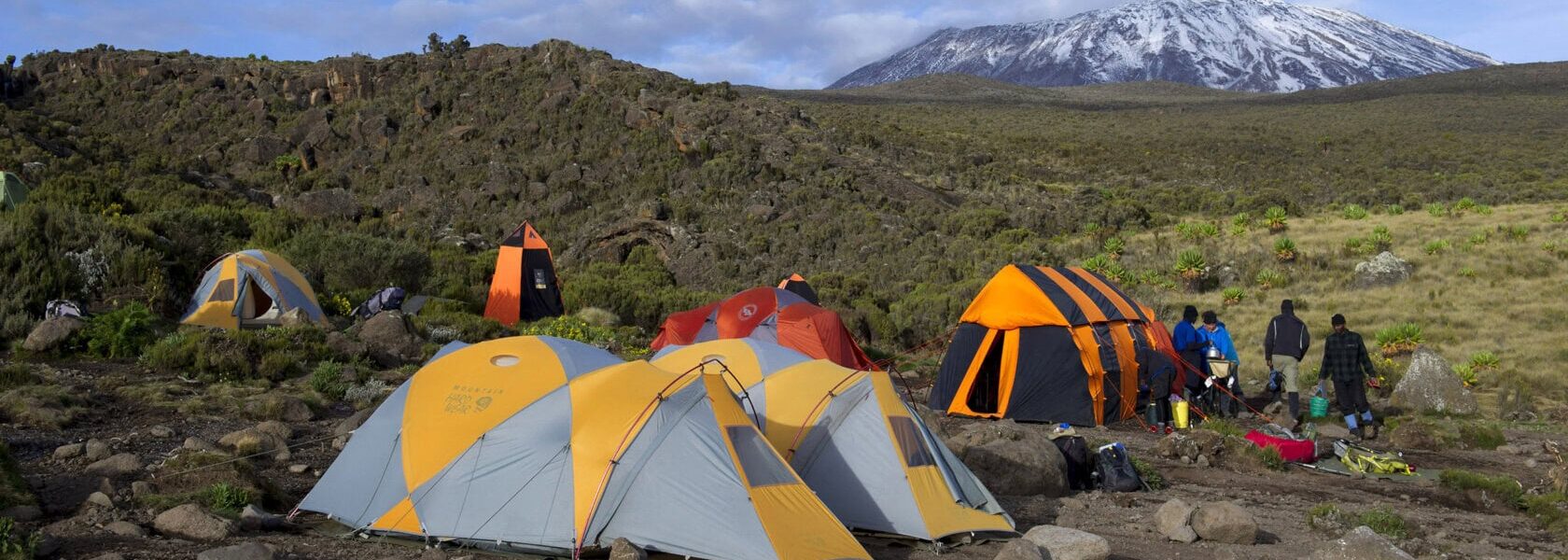
Most routes are camping routes. Marangu uses mountain huts.
34. Are toilets available?
Basic toilet facilities are available at camps.
35. Is drinking water provided?
Yes. Operators provide treated drinking water.
Equipment Questions
36. What should I pack?
Essentials include:
- Hiking boots
- Warm clothing
- Waterproof jacket
- Gloves
- Headlamp
- Sleeping bag
37. Can I rent equipment?
Yes. Most operators offer equipment rental.
38. Do I need trekking poles?
They are highly recommended.
39. How cold is the summit?
Temperatures can reach -10°C to -20°C (14°F to -4°F).
40. What kind of backpack do I need?
Most climbers carry a daypack while porters carry the main duffel bag.
Summit Questions
41. How long does summit day take?
Summit day can take 10–15 hours.
42. What is Uhuru Peak?
Uhuru Peak is the highest point on Mount Kilimanjaro.
43. What time do climbers start summit day?
Most summit attempts begin around midnight.
44. Can I reach the summit?
Most climbers who choose longer routes and acclimatize properly have a good chance of success.
45. What does the summit feel like?
Many climbers describe it as one of the most emotional and rewarding experiences of their lives.
Booking Questions
46. How far in advance should I book?
Booking 3–12 months in advance is recommended.
47. Can I combine Kilimanjaro and safari?
Yes. Many travelers combine Kilimanjaro with Serengeti, Ngorongoro, and Zanzibar.
48. Do I need travel insurance?
Yes. Travel insurance that covers high-altitude trekking is strongly recommended.
49. Why choose a local Kilimanjaro operator?
Local operators provide expert mountain knowledge, personalized service, and direct support.
50. Why climb Kilimanjaro with Nature Bound Africa?
Nature Bound Africa provides experienced mountain guides, quality equipment, fair porter treatment, personalized service, and carefully designed itineraries to maximize safety and summit success.
Ready to Climb Mount Kilimanjaro?
Whether you’re planning your first trek or pursuing the Seven Summits challenge, our team is here to help.
Ready to plan your Kenya or Tanzania safari?
Enrich your climbing experience with our Mount Kilimanjaro FAQs.
Contact Nature Bound Africa today and let our Kilimanjaro specialists create a climbing adventure tailored to your experience, fitness level, and travel goals.
Consult our Mount Kilimanjaro FAQs for best practices.
Use our Mount Kilimanjaro FAQs to fuel your enthusiasm.
Contact us today for a free personalized itinerary and no-obligation quote.
Our Mount Kilimanjaro FAQs will inspire your climb.
Speak with our safari experts: +255 784 737 413
Chat with us instantly on WhatsApp: +255 784 737 413
Go where YOU want. Travel when YOU want. Experience Africa your way.